


Tesla’s new Roadster can fly, and that’s not even its craziest claim

Callum Tokody
Author of the post
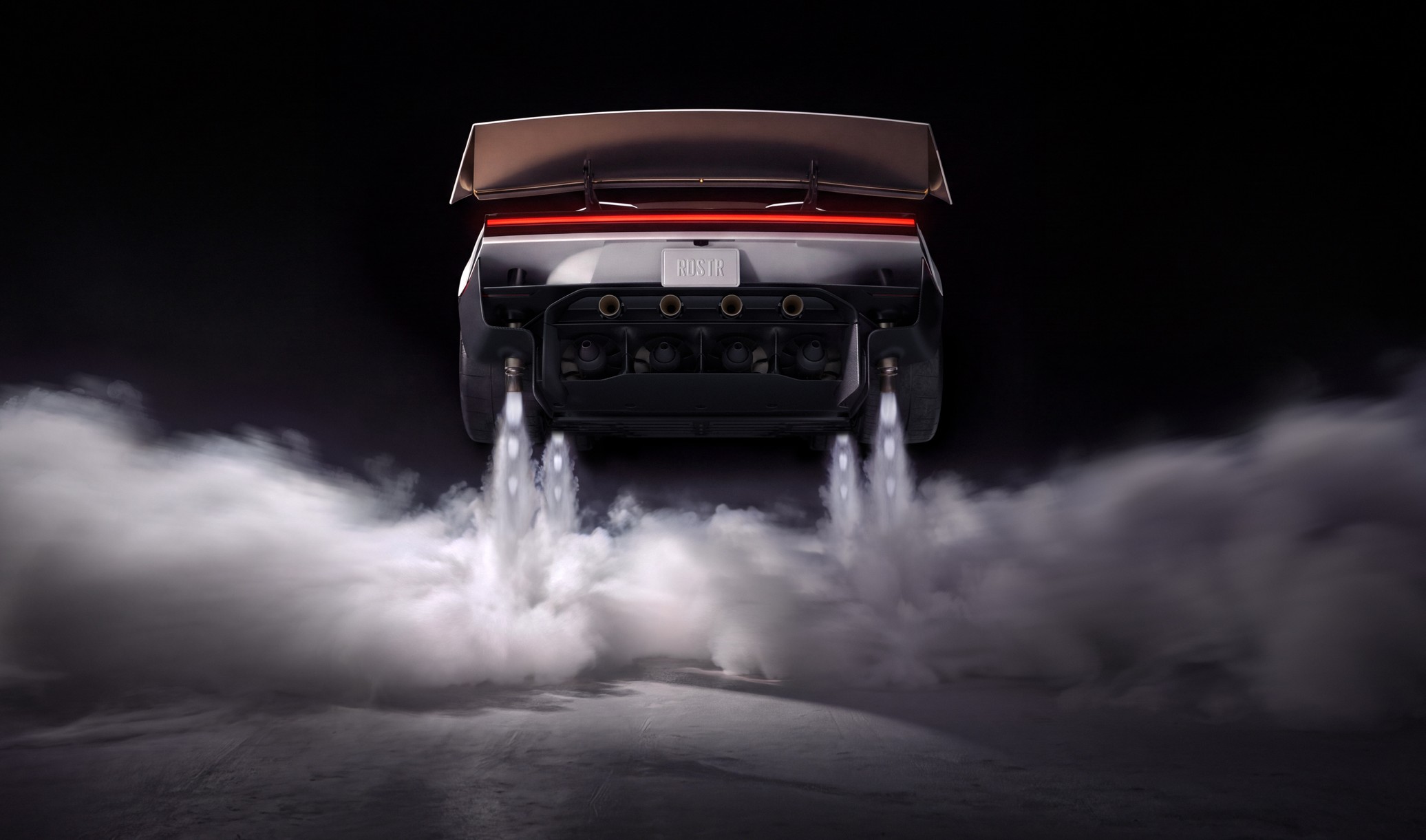
The Tesla Roadster has finally reappeared after years of delays, and Tesla has chosen spectacle over restraint. Elon Musk’s latest flying car claim centres on SpaceX thrusters, a fan-assisted aerodynamic system and a claimed 0-97km/h time of 0.81 seconds. It is a remarkable pitch for an electric sports car, even by Tesla’s usual standards of ambitious future tense. The more important question is whether this extraordinary machine can become a road-legal customer car by its newly stated 2028 target.
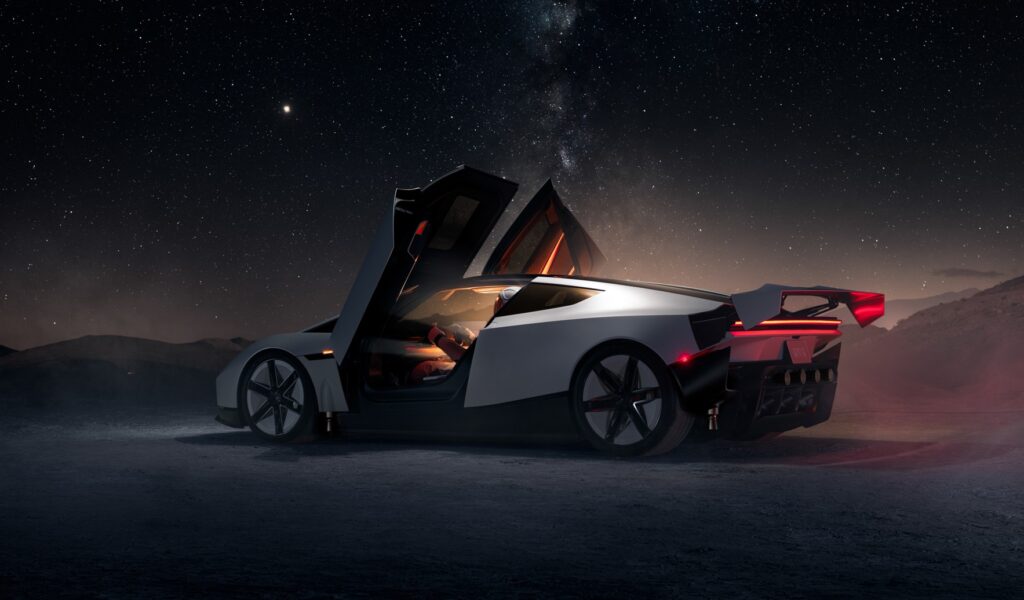
Tesla Roadster turns a delayed promise into a spectacle
Tesla presented the second-generation Roadster at SpaceX’s rocket testing facility in McGregor, Texas, almost nine years after the car was first previewed in November 2017. The demonstration included autonomous runs up a curved ramp, short airborne manoeuvres and a leap over other Tesla vehicles, including the Cybertruck, Cybercab and Semi.
The Tesla Roadster was not shown conducting sustained flight, and that distinction matters considerably. Tesla’s flying car demonstration appeared to involve brief, controlled hops in a prepared environment rather than anything resembling a practical airborne vehicle for ordinary roads.
At the centre of the show are 10 compressed-air units described as SpaceX thrusters, which expel pressurised air rather than burning conventional rocket fuel. Tesla claims the system produces more than 80kN of thrust and uses two air tanks with a combined capacity of 600 litres, although it has not fully explained refill times or how long the system can operate.
There is also a fan system beneath the car, designed to create downforce independently of vehicle speed. Tesla says it can generate the equivalent of 2G of downward acceleration, placing the electric sports car in familiar conceptual territory for anyone who remembers the Brabham BT46B or has watched the McMurtry Spéirling embarrass conventional performance machinery.
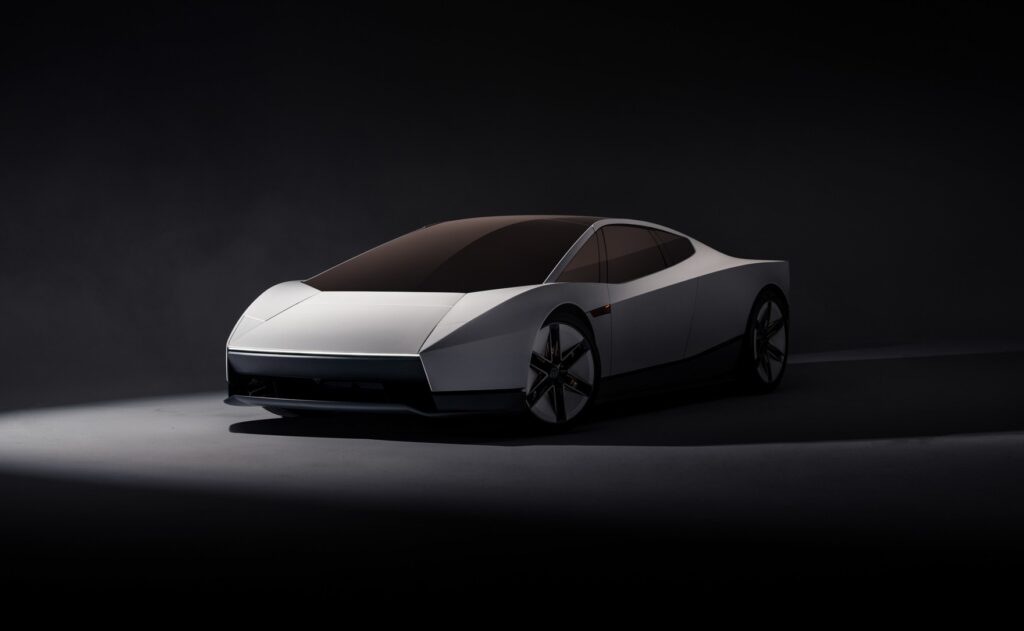
The claimed 0-97km/h time of 0.81 seconds is perhaps the most arresting number, particularly because it improves substantially on Tesla’s original 1.9-second promise. Yet the figure relies on a combination of electric power, aerodynamic grip and thrust assistance, so it should be treated as a manufacturer claim until independent testing explains precisely what was involved.
A flying car still needs to survive the real world
Tesla has outlined three versions: Performance, Thrust and an invitation-only Rocket model. The Tesla Roadster Performance uses the fan-based aerodynamic package, while the Thrust version adds compressed-air propulsion and the Rocket receives the complete aerial manoeuvring hardware.
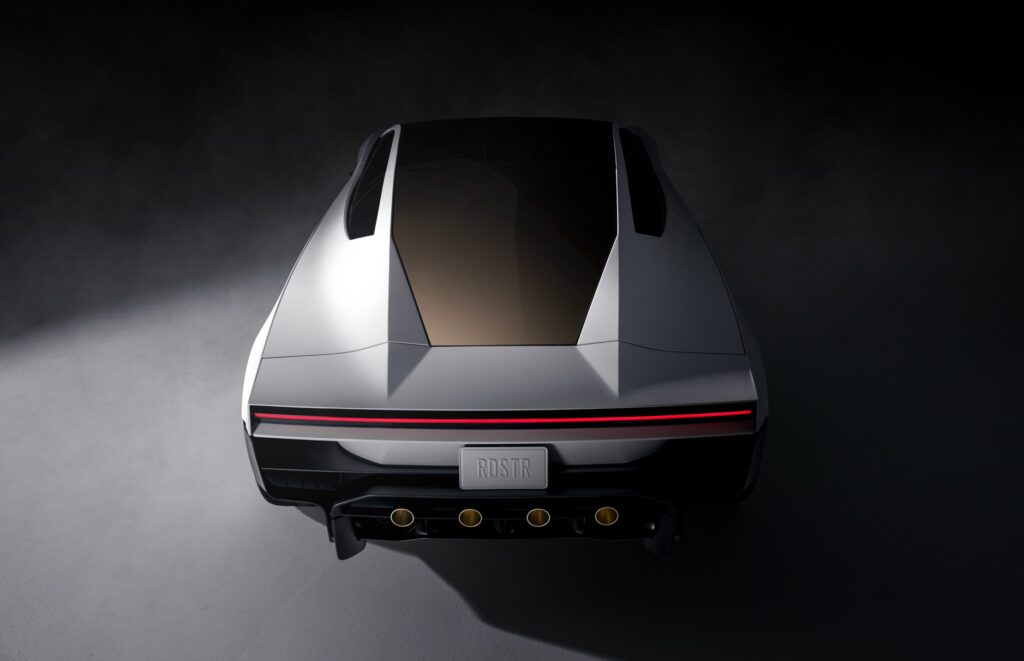
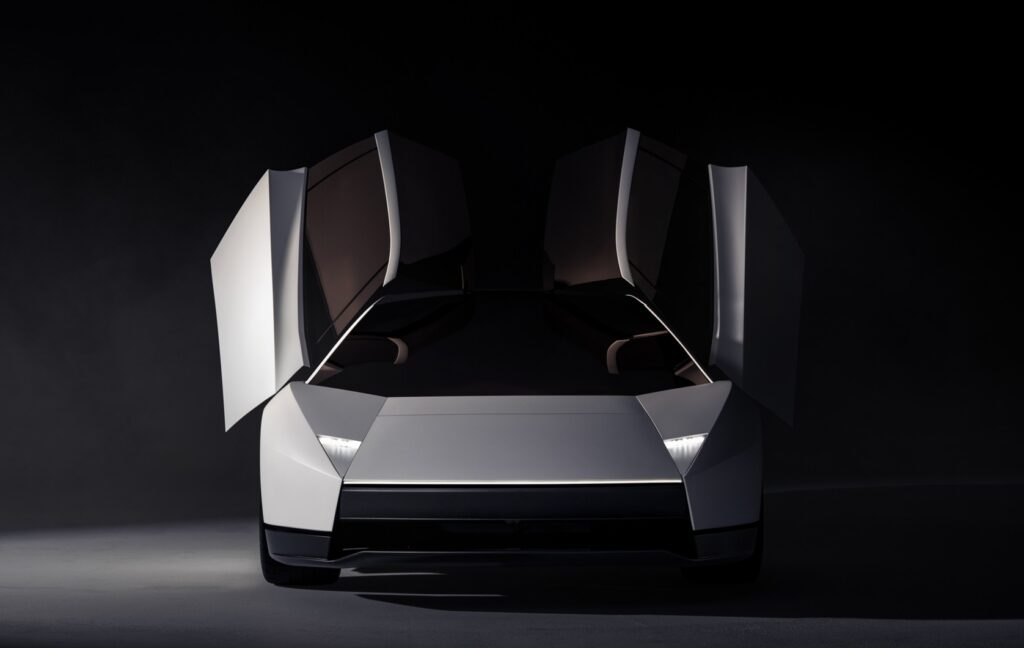
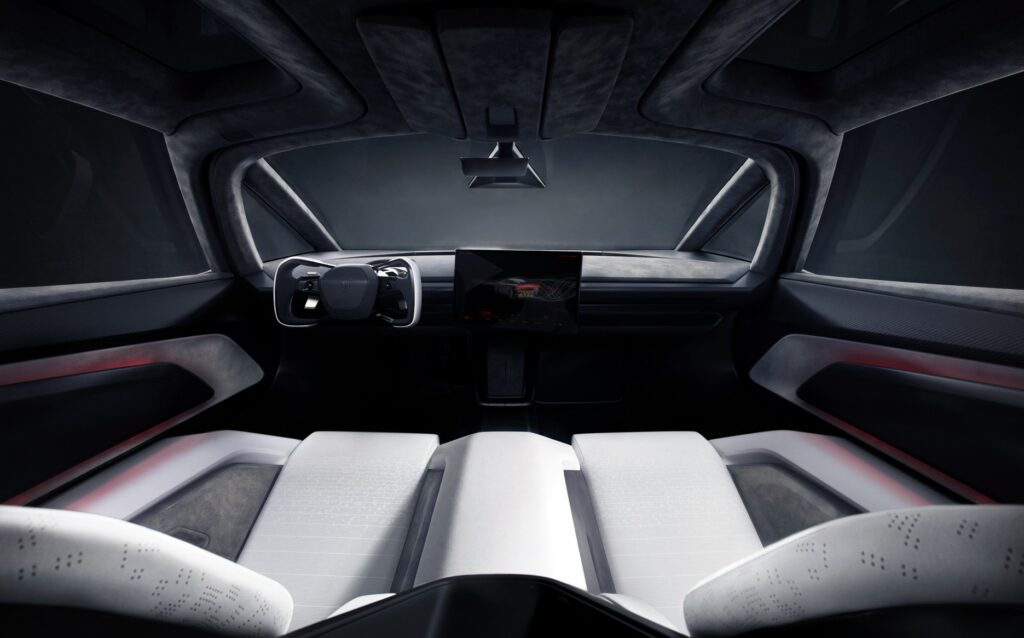
The Rocket version is expected to be a single-seater, while the other versions retain a two-seat layout. All feature a minimalist cabin with structural seats, a yoke-style steering control, steer-by-wire and electronically controlled braking, but Tesla has yet to detail battery capacity, motor output or kerb weight.
Reservations have opened in the United States, with the Performance model requiring US$50,000 in reservation payments and the Thrust version requiring US$250,000. Those are deposits rather than final prices, and the absence of confirmed pricing is another reminder that this electric sports car remains closer to a proposition than a finished retail product.
Tesla has also suggested a top-speed target of at least 370km/h, while Musk reportedly wants the car eventually to approach half the speed of sound. That is an entertaining ambition, but the SpaceX thrusters and fan system do not remove the immense aerodynamic, thermal and mechanical challenges involved at such speeds.
The legal and insurance implications may prove harder still. A flying car capable of lifting itself from the ground raises obvious questions about how Tesla would restrict use on public roads, particularly when the company has already acknowledged that the Roadster may not be legal in every jurisdiction.
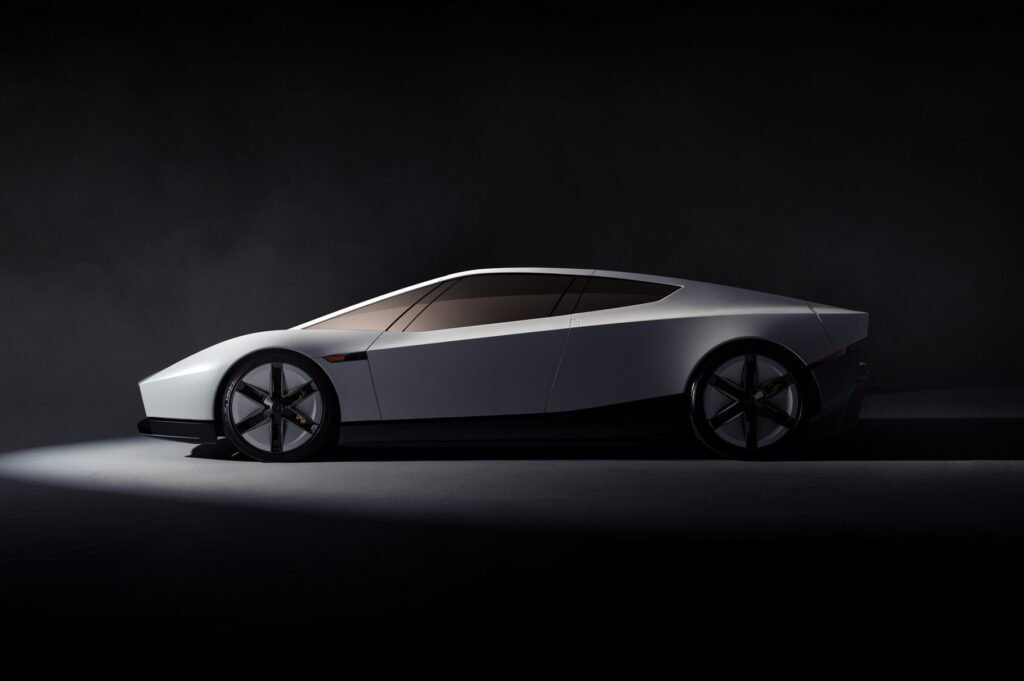
Australian buyers should not start clearing garage space just yet, as Tesla’s local website indicates the car will be offered exclusively in left-hand drive and no right-hand-drive plan has been confirmed. The Tesla Roadster may have delivered one of the most memorable automotive demonstrations in years, but after nearly a decade of missed targets, its greatest trick would be arriving in customer hands in 2028.
latest Stories
 Read full story

Join Our Community
Stay up to date with our latest stories, fresh insights, and special updates. Subscribe to receive carefully selected content delivered straight to your inbox.