


Chinese cars are not disrupting the industry, they are the industry now

Callum Tokody
Author of the post
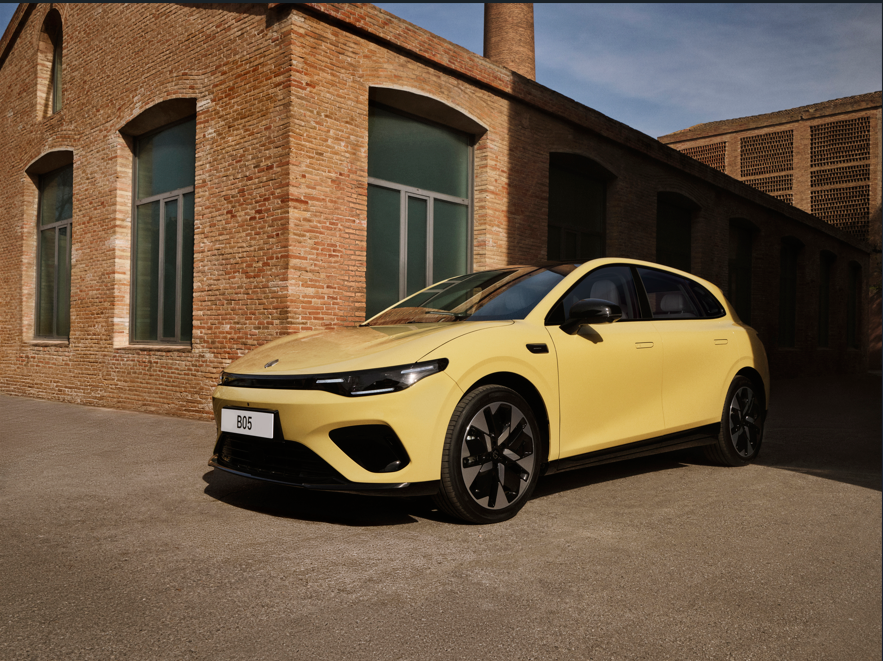
I am sick of hearing that Chinese cars are “disrupting” the automotive industry. The word suggests an unexpected intrusion, as though BYD, Chery, Geely and their peers appeared overnight and caught everyone else asleep at the wheel.
They did not. China has spent well over a decade investing in engineering, manufacturing, batteries, design and product development. The surprise is not that Chinese manufacturers now build credible, desirable vehicles. The surprise is that parts of the established industry still speak as if this outcome could never have been anticipated.
By 2026, the evidence is sitting in showrooms, on roads and in sales charts. Chinese brands are no longer an emerging curiosity that can be assessed through tired assumptions about cheapness or copycat styling. They are competitors, and increasingly serious ones.
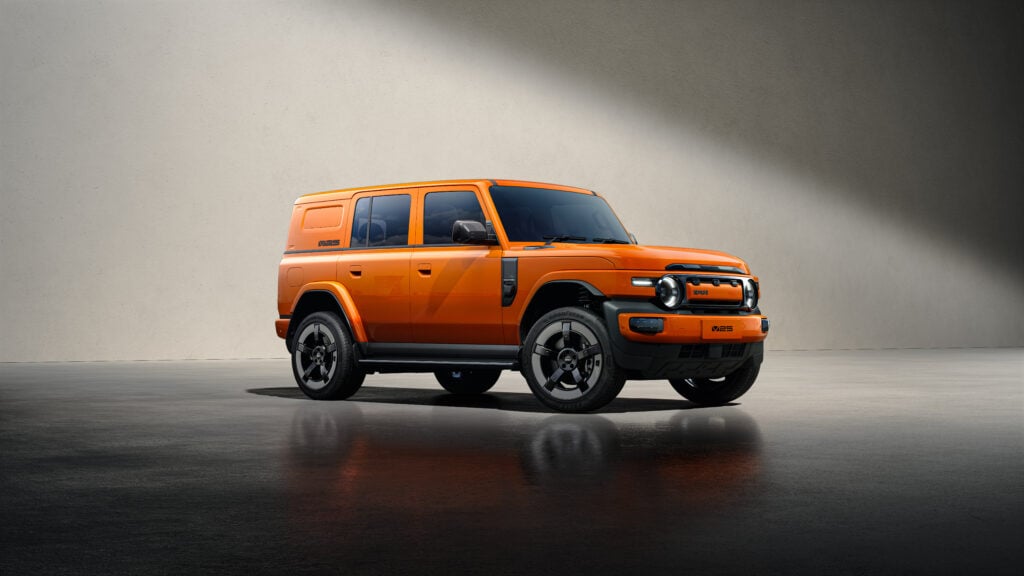
The warning signs were visible years ago
I keep returning to a Top Gear episode from February 2012, in which Jeremy Clarkson and James May travelled to Beijing to investigate China’s growing car industry. They drove vehicles including the Haval M2, JAC J7, Roewe 350 and Guangzhou Trumpchi.
Some were genuinely dreadful. Others were more competent than their reputations might have suggested, particularly given their prices. Yet the lasting point was not the quality of those individual cars. It was the pace of improvement, and the obvious question of where Chinese manufacturers might be five years later.
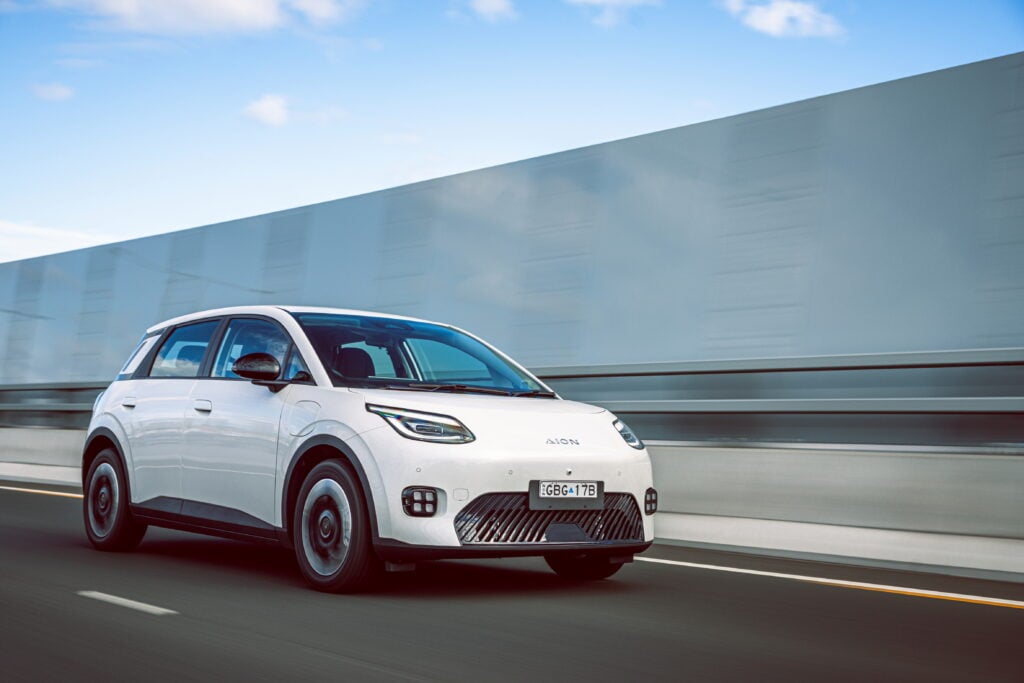
Fourteen years on, it is difficult to understand why so many commentators still behave as though the answer has arrived without warning. China’s industrial ambitions were already well established in 2012. Its manufacturers had weaknesses, certainly, but they also had scale, ambition and a vast domestic market in which to develop.
They then set about addressing the obvious shortcomings. Chinese makers invested in technology and engineering, expanded their global design operations and recruited experienced figures from the established industry. Wolfgang Egger, whose previous roles included Audi, Alfa Romeo and Lamborghini, became central to BYD’s modern design identity. Stefan Sielaff, formerly Bentley’s design director and previously with Volkswagen and Audi, joined Geely in 2021 to oversee global design work across brands including Zeekr.
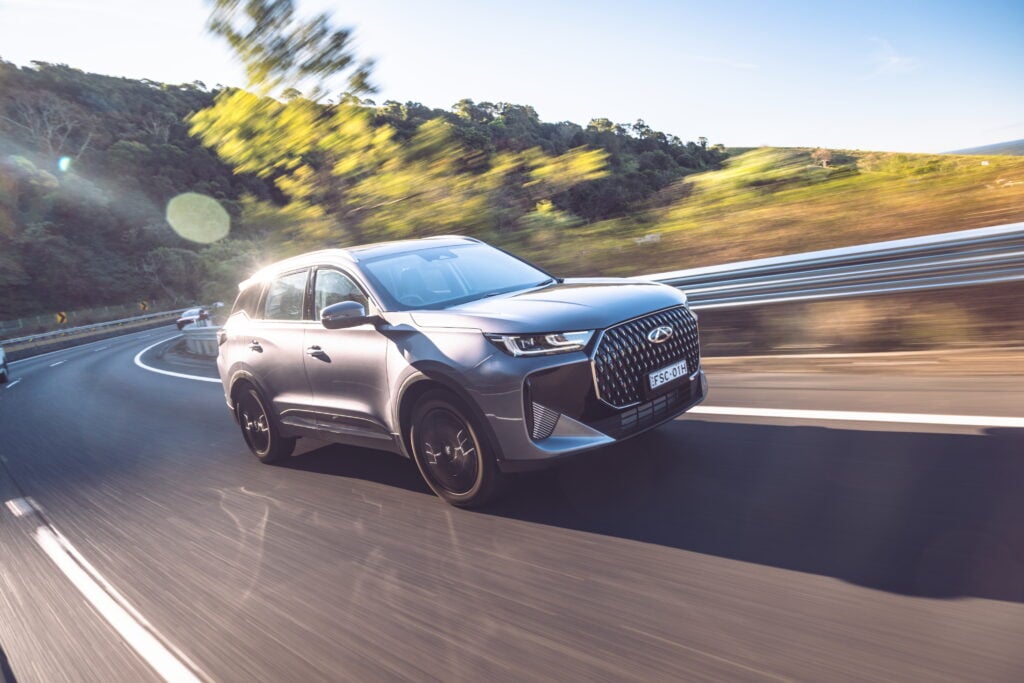
That does not automatically make every Chinese car handsome, well engineered or desirable. It does explain why dismissing them on the basis of national origin has become increasingly lazy. Look at current BYD products, Zeekr interiors or Denza’s premium ambitions and the old stereotypes start to look badly out of date.
Australian buyers have already made their judgement
Consumers appear to have accepted this shift faster than much of the automotive establishment. According to the Federal Chamber of Automotive Industries’ September 2026 VFACTS figures, China accounted for 35.5 per cent of new vehicles reported through VFACTS that month, making it Australia’s largest source of new vehicles. Japan accounted for 22.5 per cent.
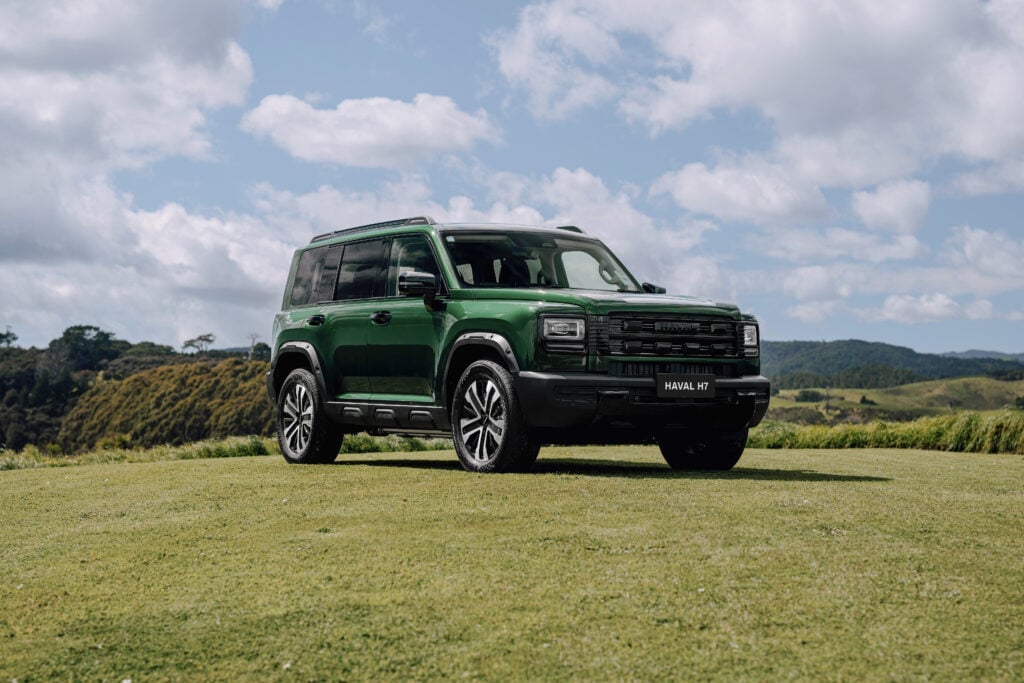
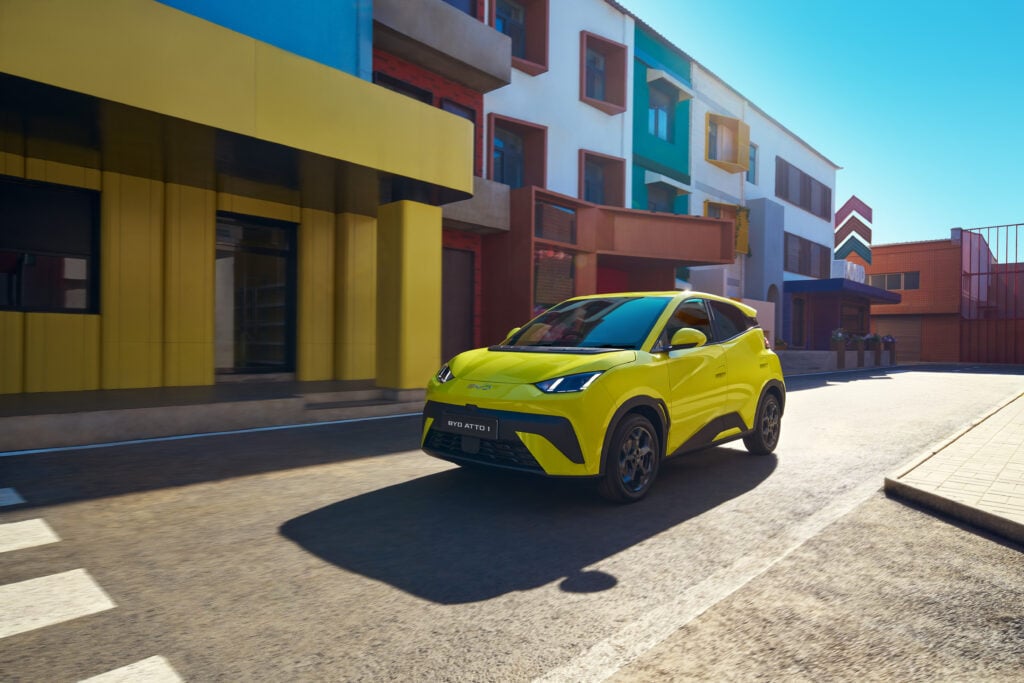
That figure concerns where vehicles were manufactured, rather than simply the nationality of the brand selling them. Even so, the performance of Chinese-owned manufacturers was difficult to ignore. BYD sold 8,191 vehicles in Australia during September 2026, placing it second behind Toyota in the VFACTS manufacturer rankings and ahead of Ford, Mazda and Hyundai. GWM, MG, Geely and Chery also appeared in the top ten.
Australian buyers are not purchasing these cars as a political statement or as participants in some grand industrial experiment. They are buying vehicles that offer combinations of equipment, technology, styling, electrified powertrains and pricing that appeal to them. That is how competition has always worked.
The same applies at the premium end. Denza’s Australian arrival with the B5 and B8 shows BYD’s ambitions extend beyond mainstream models, while Zeekr is clearly targeting buyers who expect a more elevated approach to design, cabin presentation and electrification.
Luxury takes time to establish. Heritage, ownership experience, aftersales support, durability and reputation all matter, and no badge acquires those qualities simply by fitting more screens or softer leather. But the suggestion that China is somehow incapable of producing a luxurious vehicle is becoming increasingly difficult to defend.
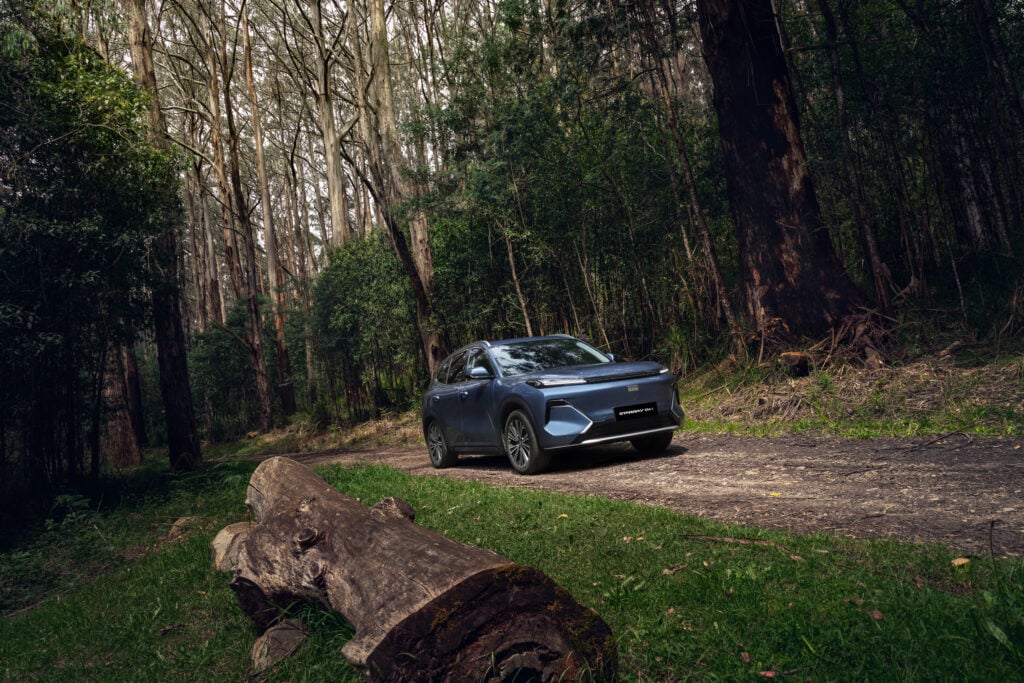
Established manufacturers are entitled to raise serious questions about subsidies, industrial policy, market access and fair competition. European Commission President Ursula von der Leyen warned in 2023 that global markets were being flooded with cheaper Chinese electric cars, while Ford chief executive Jim Farley has described Chinese EVs as an existential threat and praised their cost and quality competitiveness.
Those are important debates. They should not, however, become an excuse for treating competitive products as illegitimate merely because they have come from a newer industrial rival. If a manufacturer can offer better technology, more standard equipment or sharper pricing, the useful response is to ask how it did so and what others can learn.
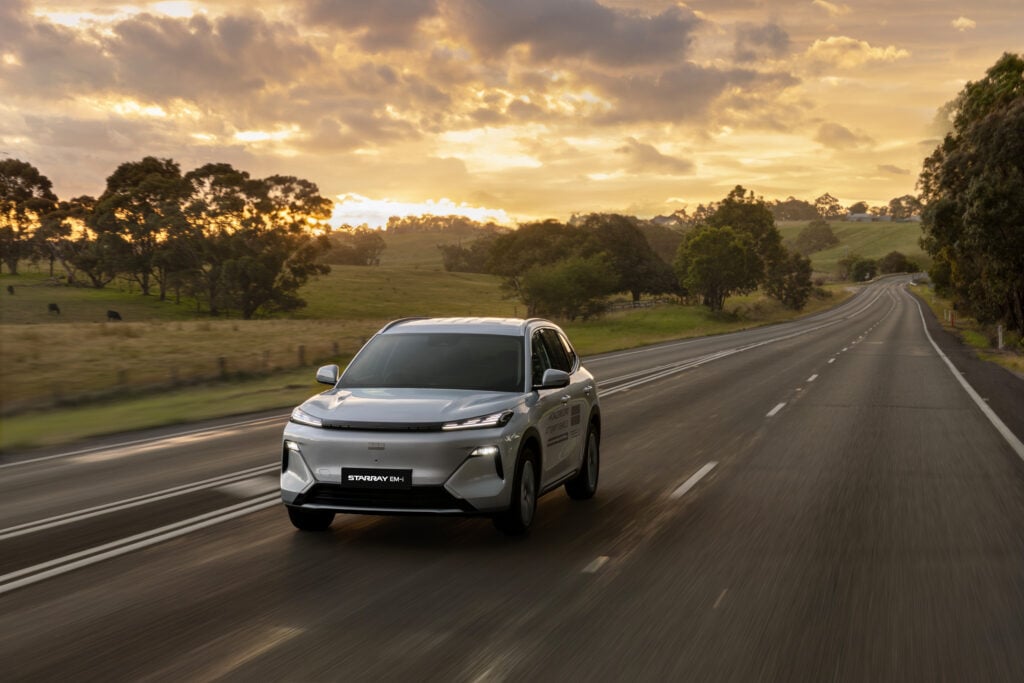
Chinese cars should receive no free pass. Reliability, software, servicing, resale values, driver-assistance calibration and long-term ownership support deserve the same scrutiny applied to every established badge. A five-star ANCAP rating for models such as the BYD Sealion 7 and Chery Tiggo 7 is encouraging, but it does not settle every question about a vehicle.
Still, we have passed the point at which country of origin should dictate expectations. China makes affordable cars, mainstream cars, performance cars and luxury cars. The established industry can complain about that reality, or it can respond by building better vehicles. One approach is far more likely to keep customers interested.
latest Stories
 Read full story

Join Our Community
Stay up to date with our latest stories, fresh insights, and special updates. Subscribe to receive carefully selected content delivered straight to your inbox.