


Porsche Mission S Is Porsche’s Serious Supercar Signal

Callum Tokody
Author of the post
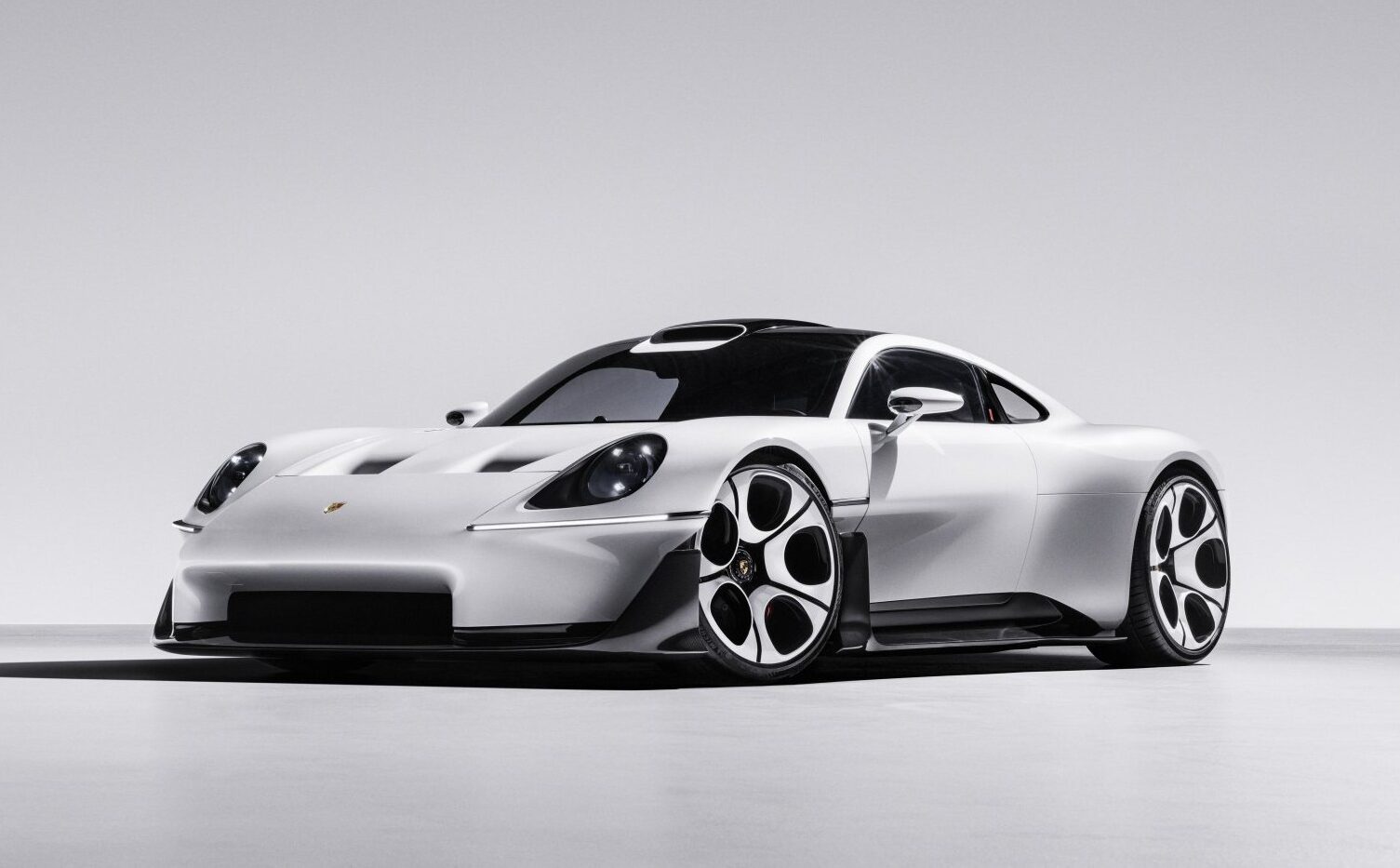
The Porsche Mission S is Porsche’s clearest indication yet that it sees room above the 911 for a proper mid-engined supercar. Revealed as part of the company’s Sportwagenschmiede ’35 strategic realignment, the vision model also previews the next phase of Porsche design and a future sports car platform. Porsche says the car is not intended as a one-off hypercar, but as the basis for a permanent and adaptable addition to its customer range. That makes this less of a decorative concept-car exercise and more of a carefully staged declaration of intent.
Porsche Mission S points beyond the 911
Porsche unveiled the Mission S on a pier in Queens, New York, the same location used for photographs of the Porsche 550 Spyder in 1953. It is a suitably calculated choice, linking the company’s early American success with a car intended to shape its future sporting identity.
The headline is the proposed mid-engined supercar architecture, positioned above the 911 without attempting to replace it. Porsche has been here before with limited-production halo cars, but the company’s language around the Mission S suggests something more durable than a short-lived engineering spectacle.
That matters because the 911 has long carried an extraordinary amount of responsibility for Porsche’s sporting image. A dedicated sports car platform above it could give the brand room to explore more extreme proportions, packaging and aerodynamic solutions without disturbing the rear-engined formula that still defines the 911.
Porsche says the Mission S is guided by three principles: authentic, consequent and timeless. That is familiar corporate language, admittedly, but the design itself appears to be taking Porsche design in a more disciplined direction than the usual concept-car urge to add visual drama for its own sake.
The body is shaped around the familiar Porsche flyline, broad fenders and a low, wide stance made possible by the mid-engined layout. Porsche describes the resulting surfaces as “floating volumes”, which sounds faintly like design-school vocabulary, but the intention is clear: the upper body carries the visual muscle while the lower areas expose technical functions and lightweight construction.
There is also a deliberate gathering of historic references, from 911-style round headlights and torpedo fenders to details inspired by the G model, GT1, 959, 917 and 928. The risk with this sort of heritage mining is obvious, yet Porsche design has generally been strongest when it evolves its established cues rather than treating them as museum pieces.
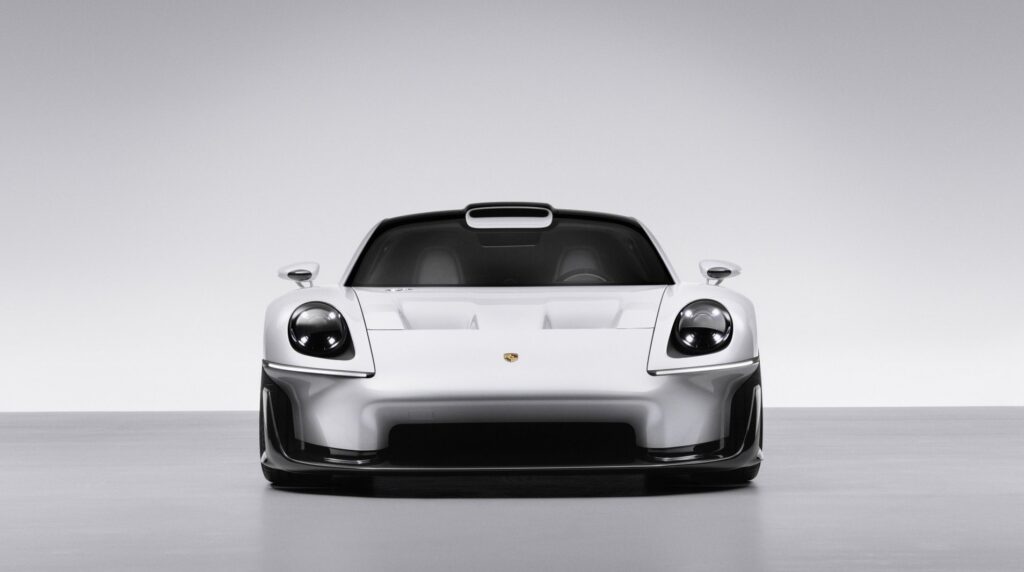
A sports car platform with a clearer purpose
The Mission S is not merely a styling study because Porsche has confirmed development of a new sports car platform beneath it. The company has not supplied powertrain specifications, performance figures or a production timetable, so it would be premature to assume exactly what form the eventual mid-engined supercar will take.
Still, the intended hierarchy is unusually clear. Porsche wants a car that occupies territory above the 911, but remains a usable and versatile customer proposition rather than an inaccessible hypercar built chiefly to generate posters and resale premiums.
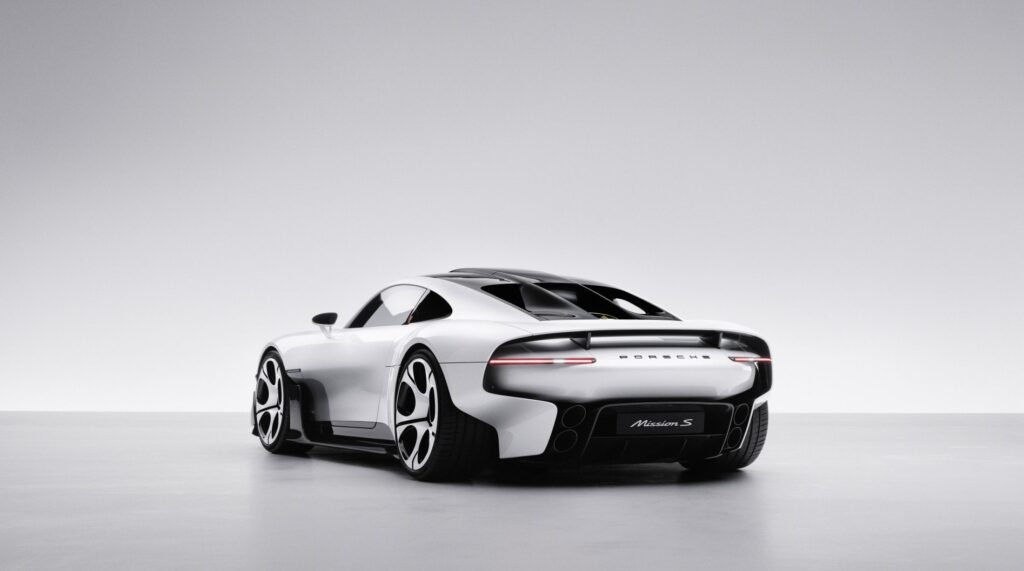
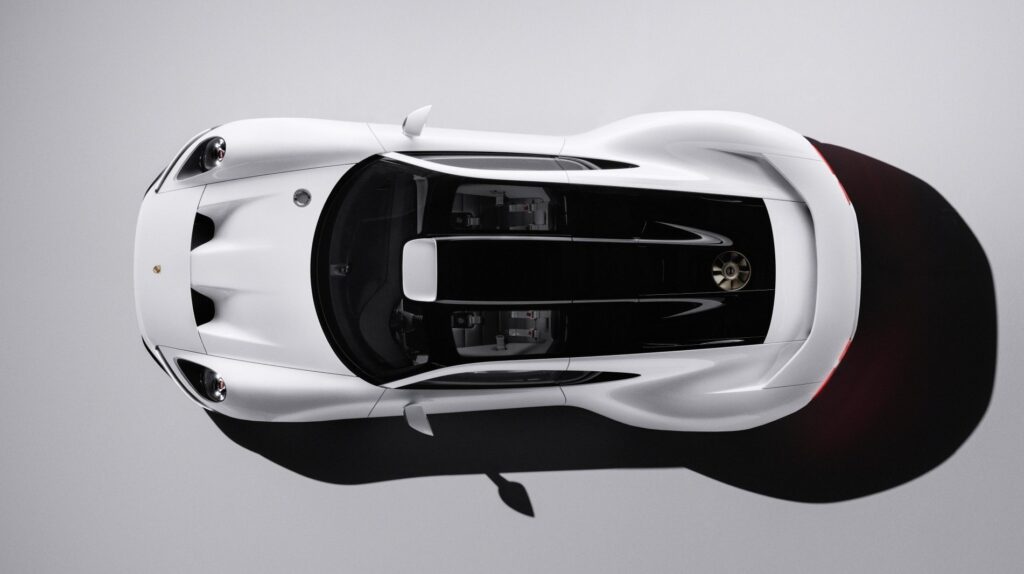
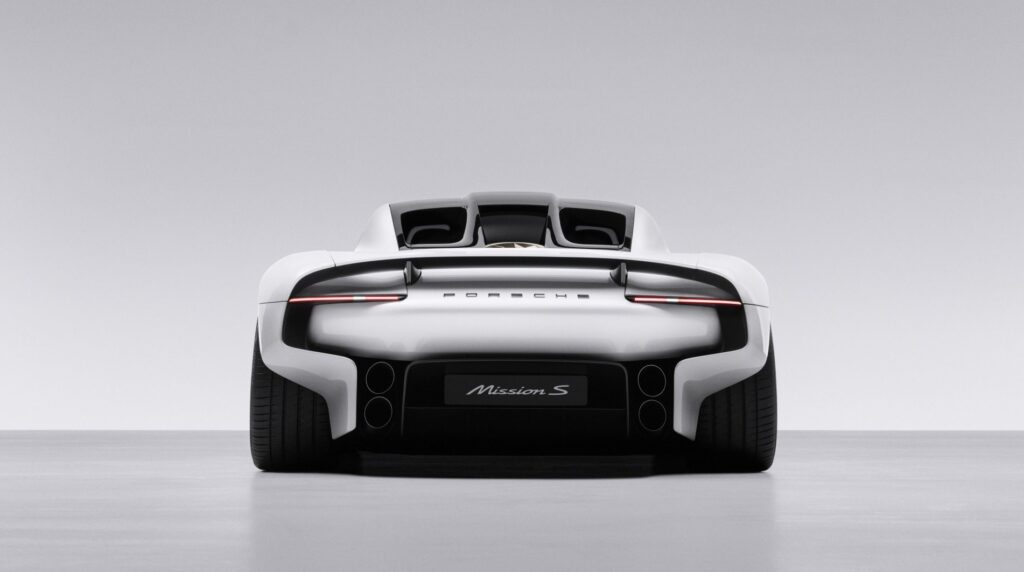
The exterior incorporates an integrated active rear wing, cooling details inspired by the radiator fan of the 917, and a rear “car-in-car” treatment derived from the GT1. These references could easily become a nostalgic checklist, although Porsche appears to be using them as functional starting points rather than simply applying retro decorations to a new sports car platform.
The wheels continue that approach, taking inspiration from the 928’s recognisable dial design while being developed around lightweight construction. It is a small but telling detail, because Porsche’s better designs usually find interest in engineering-led forms rather than adding ornament where none is needed.
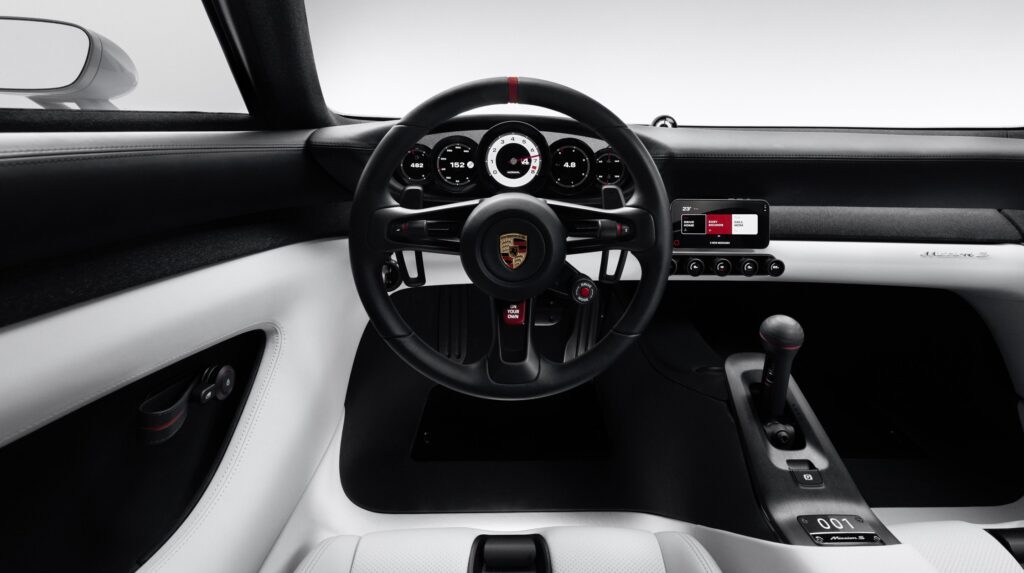
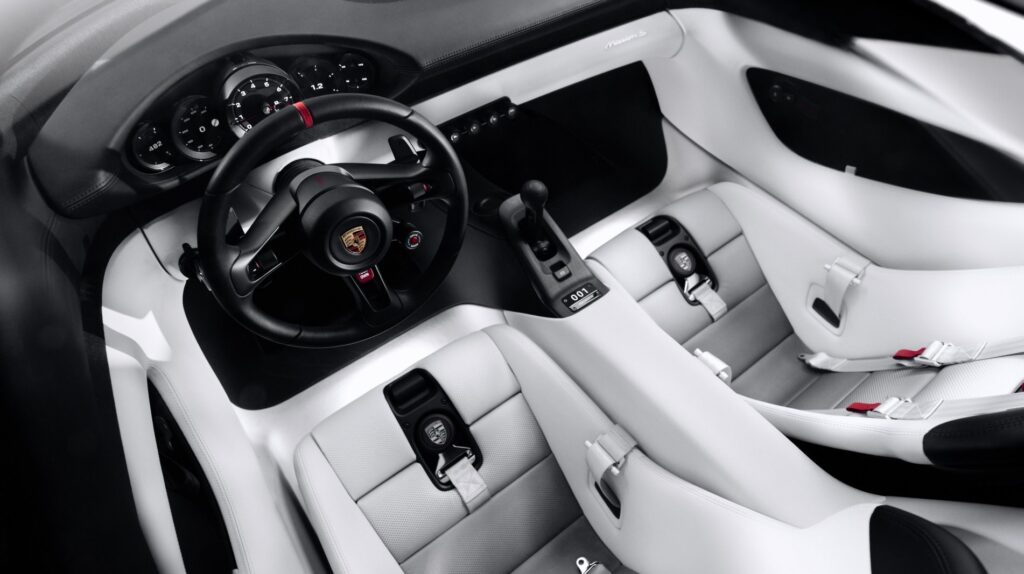
Inside, Porsche promises a purist cabin centred on the driver, combining analogue and digital controls while reducing the number of digital surfaces. That sounds sensible, particularly at a time when too many performance cars mistake a wall of displays for a driving environment.
The Porsche Mission S therefore succeeds as a statement even before anyone knows what will power it or when it may reach showrooms. If Porsche can turn this mid-engined supercar vision into a convincing production car without sanding away its restraint, the new sports car platform could give the company its most significant performance-car expansion in decades.
latest Stories
 Read full story

Join Our Community
Stay up to date with our latest stories, fresh insights, and special updates. Subscribe to receive carefully selected content delivered straight to your inbox.