


L322 Range Rover Buying Guide: How to Avoid a Money Pit

Callum Tokody
Author of the post
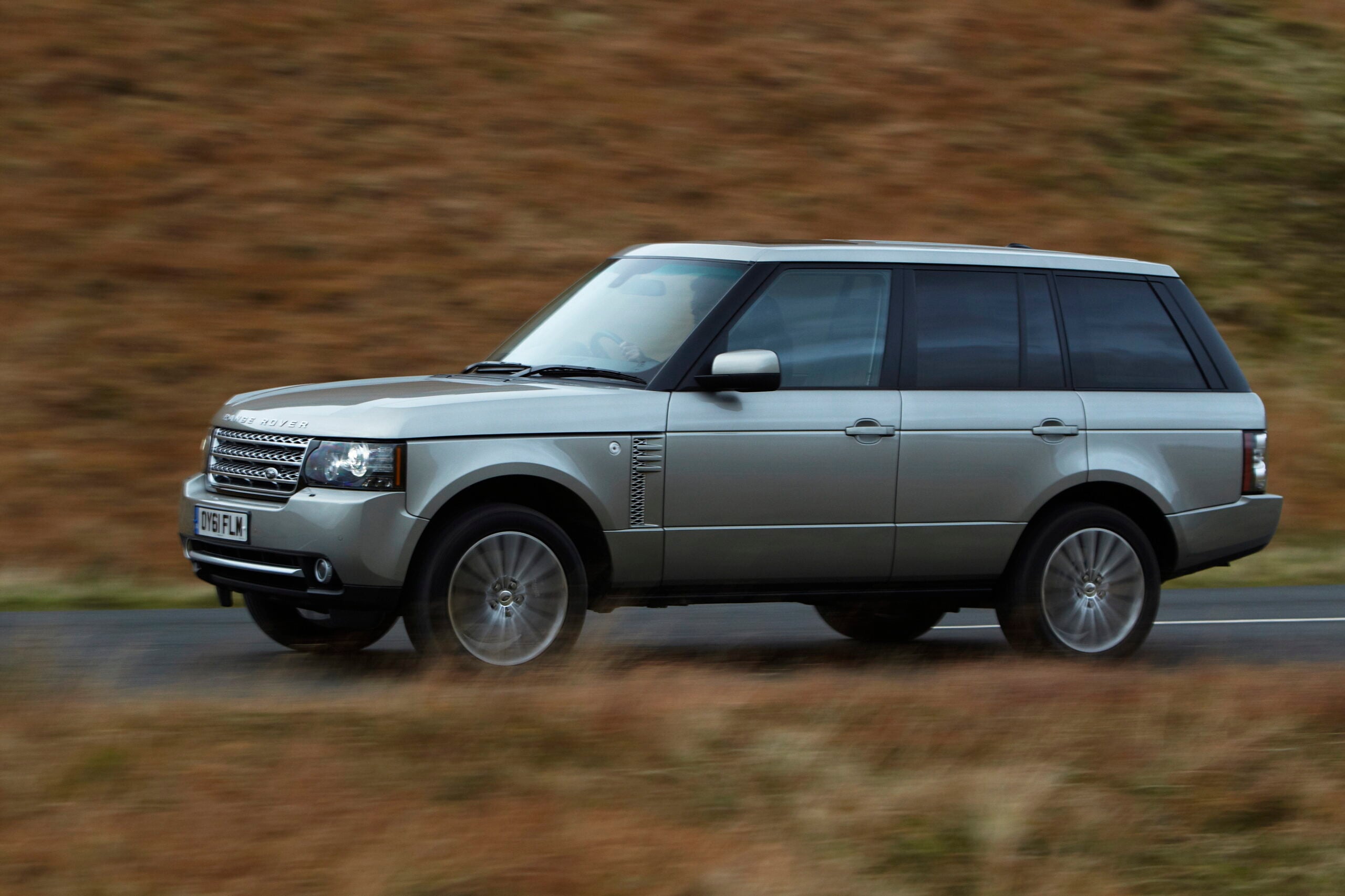
An L322 Range Rover can still make an ordinary journey feel faintly ceremonial, which explains why so many buyers are tempted by its now approachable prices. A used Range Rover of this era offers commanding visibility, real off-road ability and a cabin that remains more convincing than many newer luxury SUVs. Its air suspension and broad equipment list contribute heavily to that appeal, while also creating a long list of possible repair bills. Choosing the right Range Rover diesel or petrol model therefore matters far more than finding the lowest odometer reading.
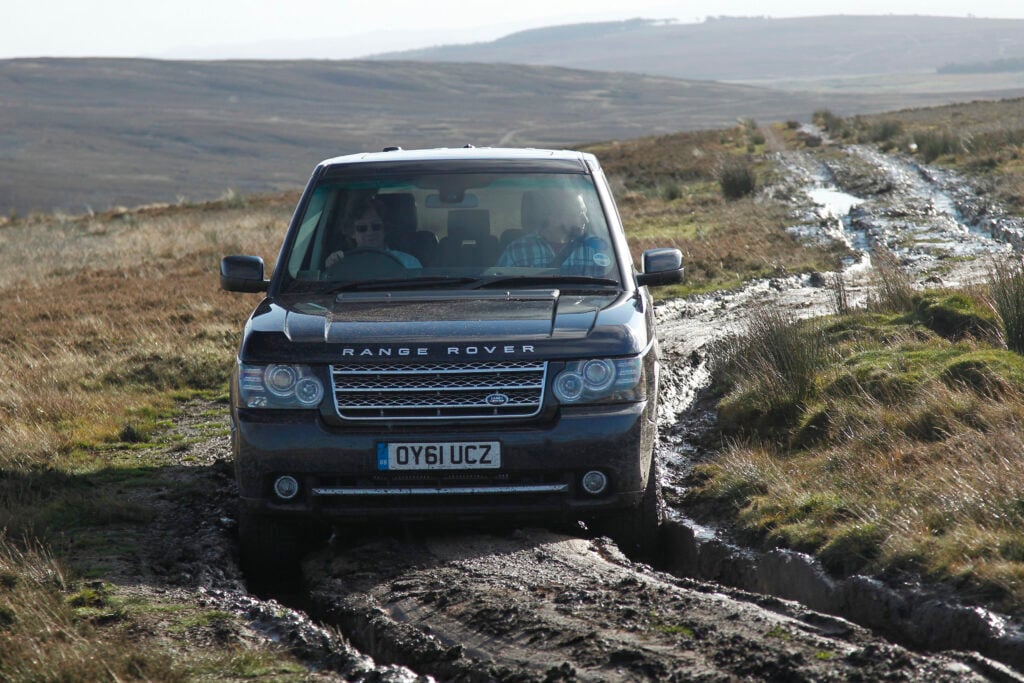
Buying an L322 Range Rover starts with the right engine
The L322 ran from 2002 to 2012 and changed significantly during that decade, despite retaining its familiar upright shape and dignified proportions. Engines, transmissions, electronic systems and equipment evolved, so a buyer who treats every example as broadly the same is inviting an expensive education.
Early BMW-related petrol and diesel versions occupy a different mechanical world from later Jaguar V8 petrol cars and the twin-turbo diesel V8 models. A used Range Rover should always be assessed according to its exact engine, gearbox and maintenance record, not simply its registration year or trim badge.
The early 3.0 Td6 deserves particular caution because it was commonly paired with a GM automatic gearbox that has worried specialists under diesel torque. A smooth test drive is encouraging, although evidence of proper transmission servicing carries far more weight than a seller’s reassurance.
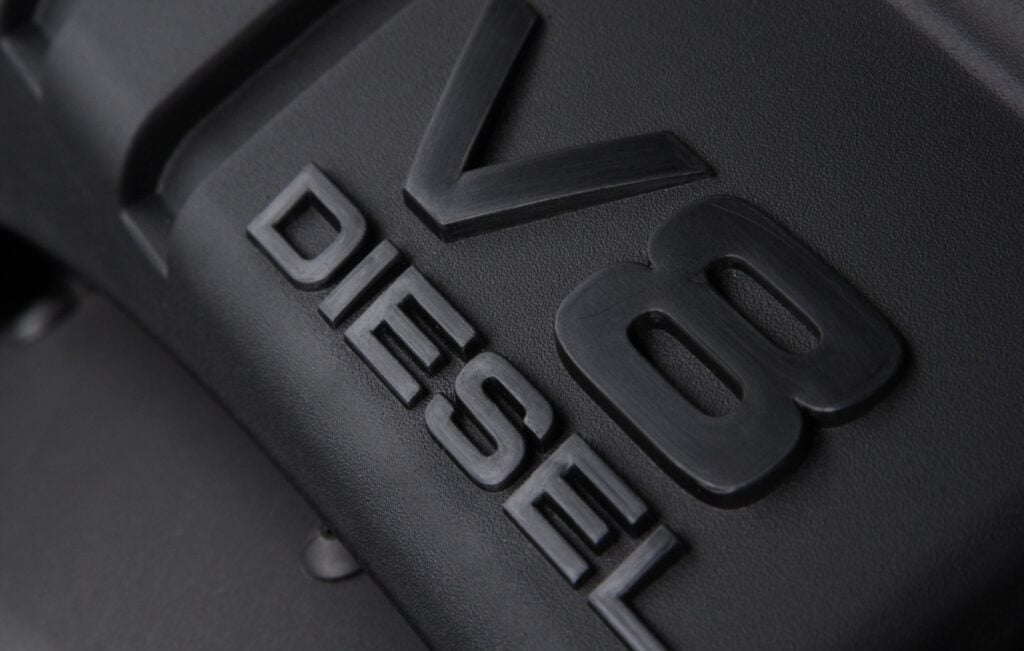
Later 3.6 TDV8 and 4.4 TDV8 models are substantially different machines, with the 4.4 gaining a more refined eight-speed automatic transmission. Anyone considering a Range Rover diesel should still investigate cooling issues, neglected coolant leaks, turbo plumbing and the condition of the air suspension.
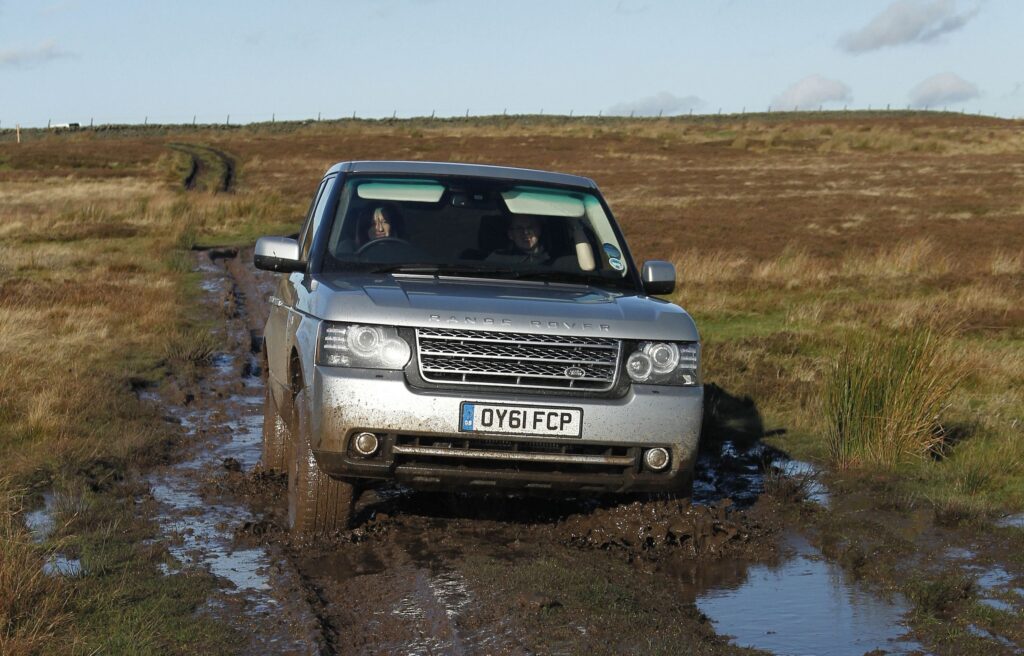
For a 3.6 TDV8, ask for evidence covering turbo actuator health, boost hoses, EGR equipment, cooling-system work and transmission-fluid servicing. Those are not minor details on a heavy luxury SUV with complex forced-induction hardware packed tightly into its engine bay.
The 4.4 TDV8 may be the more polished diesel option on paper, though age and poor maintenance remain capable of turning it into a costly proposition. Its gearbox refinement does not erase the need to inspect cooling components, air-suspension operation and the wider service record.
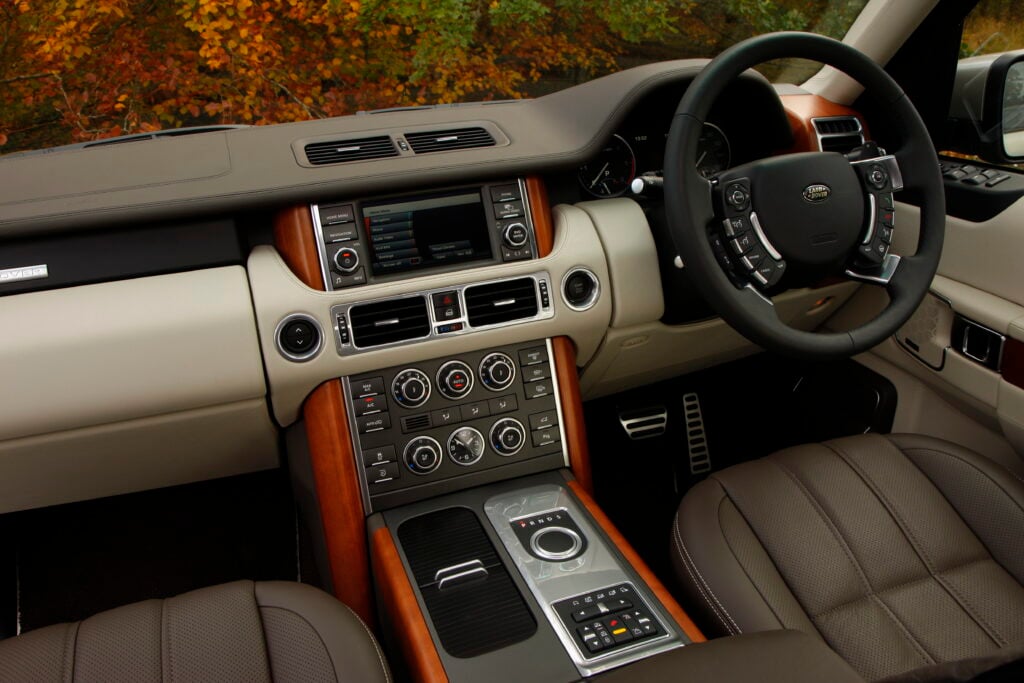
Petrol buyers should also resist the idea that simpler fuel delivery means simple ownership. On 5.0-litre cars, timing-chain and tensioner work deserves close attention, especially on earlier examples where there is no documentary proof that the issue has been addressed.
Every L322 Range Rover was sold as a flagship vehicle, and its repair costs have stayed loyal to that original position. The sensible purchase is rarely the cheapest car advertised, because a low entry price can disappear quickly once deferred work begins to surface.
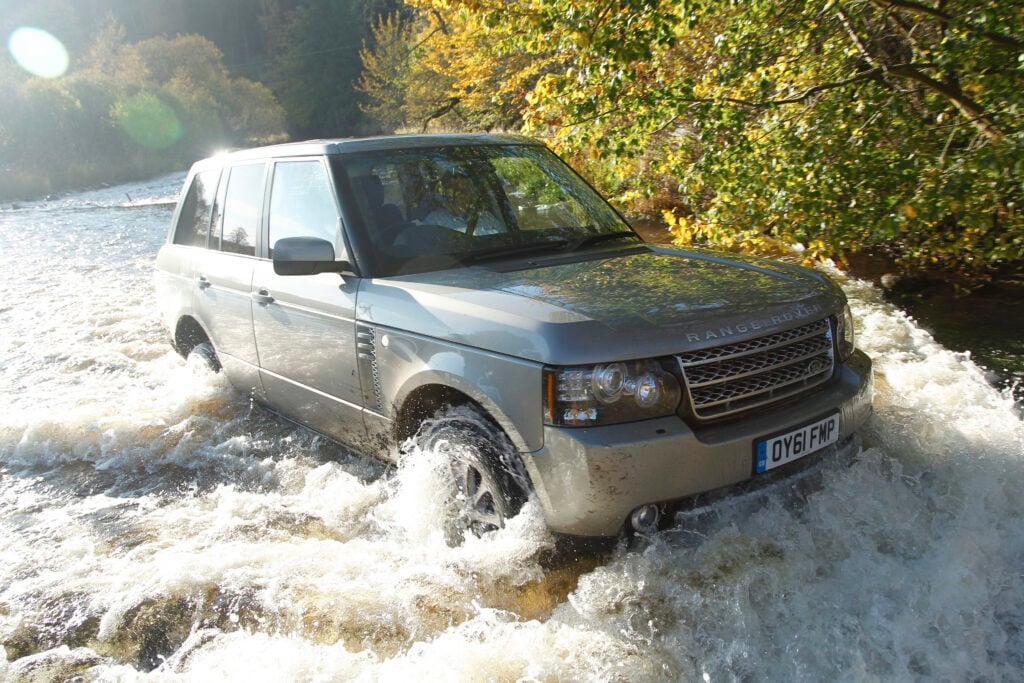
Service history matters more than showroom shine
Start any inspection from cold and take time to look for coolant loss, smoke, unusual noises and evidence of poor previous repairs. A clean cabin and glossy paintwork are pleasant, although neither will tell you much about whether the cooling system or transmission has been cared for.
The air suspension deserves a proper overnight test, ideally after the vehicle has been left parked without any height correction. One corner sitting low, a compressor that runs for too long or a refusal to reach access and off-road heights should prompt further investigation.
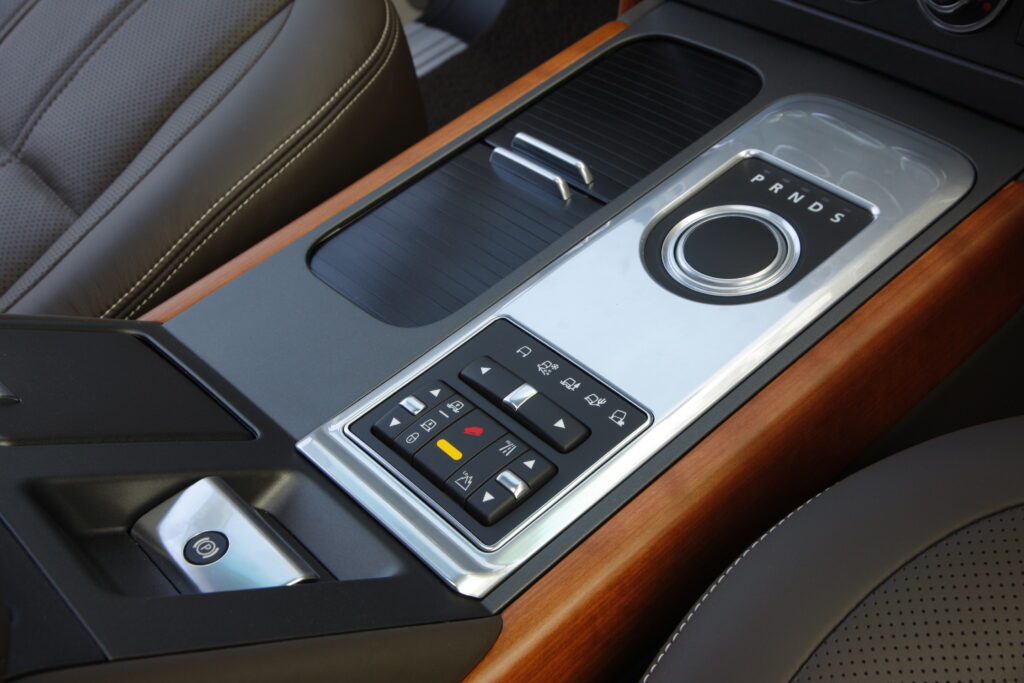
Check the bellows, valve block, compressor and battery-charging system, then make sure the central electronics behave as they should. A weak battery can trigger confusing secondary faults, though a seller should be able to demonstrate that low voltage is genuinely the cause.
Drive the car until it reaches operating temperature and pay close attention to gear engagement, power delivery and any hesitation under load. A Range Rover diesel should pull cleanly without obvious smoke or persistent whistling, while the gearbox should not make every shift feel like a negotiation.
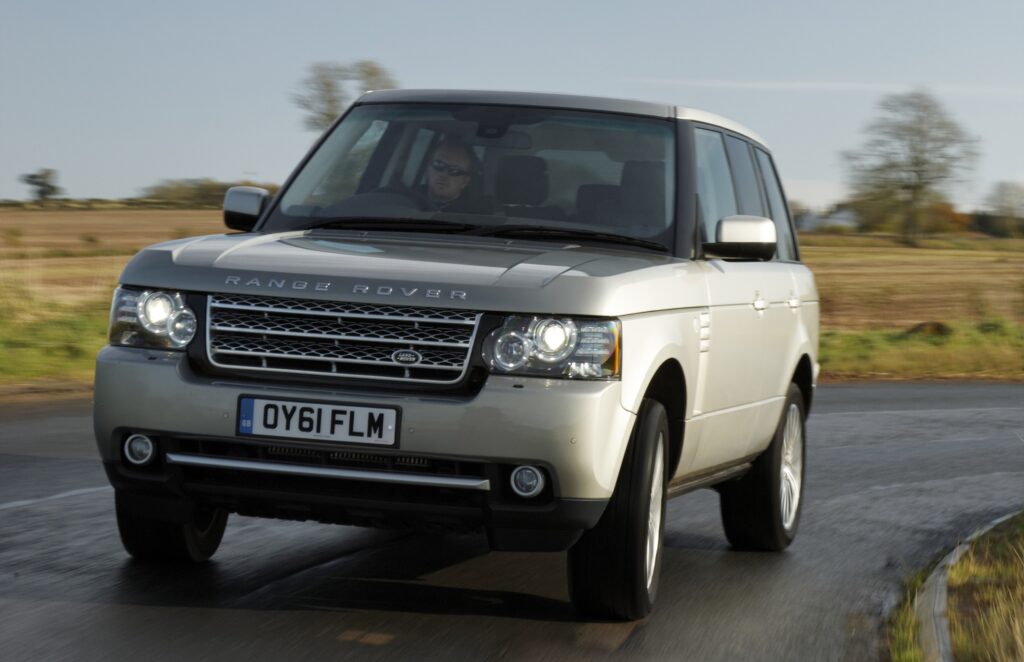
Water ingress and electrical faults also warrant careful attention, particularly on a vehicle with this amount of equipment and age behind it. Test every function you can reasonably reach, including seats, windows, climate controls and the various suspension settings.
An independent inspection remains money well spent, provided the specialist understands the precise engine and transmission fitted to the vehicle. Generic checks can identify visible wear, though an experienced L322 technician is better placed to recognise model-specific warning signs before they become invoices.
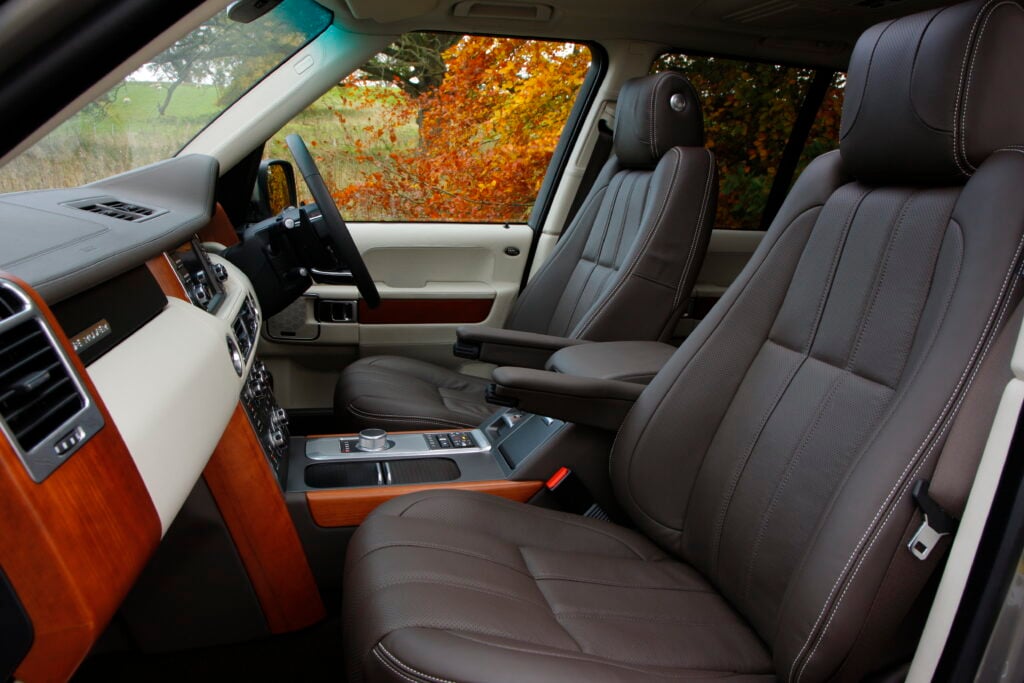
A meaningful contingency fund belongs in the purchase calculation from the beginning. The right used Range Rover can be deeply satisfying, but it should be bought with enough financial breathing room to deal with work that may emerge after purchase.
The best L322 Range Rover is the one with evidence of patient, preventative maintenance and an owner who understood what the vehicle required. Buy that history, inspect the complicated bits properly and the old Range Rover can still feel like an indulgence rather than somebody else’s workshop subscription.
latest Stories
 Read full story

Join Our Community
Stay up to date with our latest stories, fresh insights, and special updates. Subscribe to receive carefully selected content delivered straight to your inbox.