


Fuel Efficiency Explained How to Improve Gas Mileage in Your Petrol Car

Callum Tokody
Author of the post
You notice it the moment fuel prices creep up again. The same commute suddenly feels more expensive, and your petrol car starts to feel like it is working against you instead of with you. Improving fuel efficiency is not about turning your drive into a slow crawl, it is about making smarter decisions behind the wheel and around the car. Get it right, and small changes in driving habits, tyre pressure, and fuel saving techniques can stretch a tank far further than most drivers expect.

Why fuel efficiency starts with how you drive
Most people look for mechanical fixes first, but fuel efficiency lives and dies with the driver. The way you accelerate, brake, and carry speed has a bigger impact than almost anything else, regardless of whether you drive a manual or an automatic.
Start with acceleration. Hard launches might feel satisfying, but they dump fuel into the engine far faster than necessary. A smoother, progressive throttle input keeps the engine operating efficiently, especially in city driving where stop-start traffic dominates. This applies equally to manual drivers controlling revs and automatic drivers relying on the gearbox to shift early.
Anticipation matters just as much. If you can see traffic slowing ahead, lifting off early instead of braking late reduces fuel use. Every time you brake hard, you waste energy that the engine worked to produce. Smooth driving habits keep momentum on your side and reduce the need to constantly rebuild speed.
Speed also plays a role, particularly on highways. Most petrol cars hit peak efficiency between 80 and 100 km/h. Push beyond that and aerodynamic drag increases rapidly, forcing the engine to work harder. Sitting at a steady speed instead of constantly adjusting throttle position is one of the simplest fuel saving techniques you can apply.
Manual drivers have one extra advantage here. Short-shifting into higher gears at lower revs can keep fuel use down, as long as the engine is not struggling. Automatic drivers can achieve something similar by using eco modes or simply easing off the throttle to encourage earlier upshifts.
The car itself still matters, but only if you use it properly
Once your driving habits are sorted, the car’s condition becomes the next factor. This is where people often overcomplicate things, when in reality a few basics make the biggest difference.
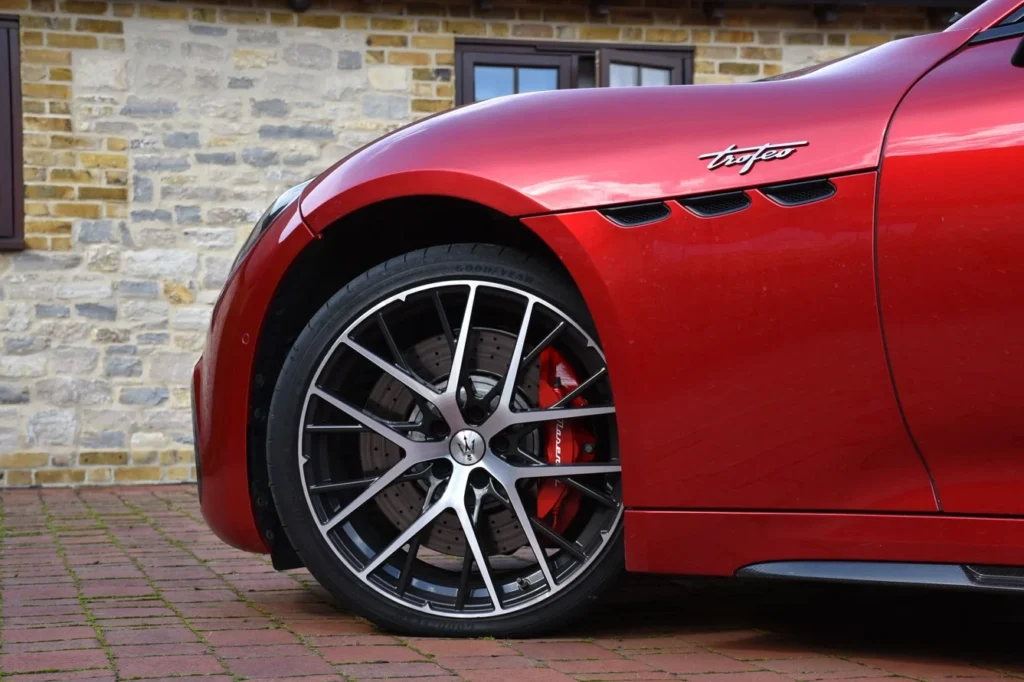
Tyre pressure is the easiest place to start. Underinflated tyres increase rolling resistance, which means the engine has to work harder just to keep the car moving. Even a small drop in tyre pressure can noticeably affect fuel efficiency over time. Check pressures regularly and stick to the manufacturer’s recommended levels, not what looks right visually.
Weight is another overlooked factor. Carrying unnecessary items in the boot or cabin forces the engine to burn more fuel to move extra mass. It sounds minor, but over weeks and months it adds up. If you are serious about fuel saving techniques, treat your car like it has a weight limit, not like a storage unit.
Air resistance also plays a role. Roof racks, bike mounts, or even open windows at high speeds disrupt airflow and increase drag. At lower speeds this barely matters, but on highways it can quietly eat into your fuel efficiency. Removing unused accessories or keeping windows closed at speed can make a measurable difference.
Maintenance ties everything together. A poorly serviced engine burns more fuel, full stop. Dirty air filters, old spark plugs, and low-quality oil all reduce efficiency. You do not need to obsess over it, but sticking to a proper service schedule keeps the car operating as intended.
Fuel choice is worth mentioning too, but it is often misunderstood. Using higher octane fuel than your car requires will not magically improve fuel efficiency. Stick to what the manufacturer recommends unless the engine is specifically designed to benefit from premium fuel. Anything else is just spending more money for no real gain.
Air conditioning is another small but real factor. Running it constantly increases engine load, particularly in smaller engines. That does not mean you should drive around sweating, but using it sensibly instead of maxing it out all the time is a simple adjustment that fits into broader fuel saving techniques.
Ultimately, improving fuel efficiency is not about one big change. It is about stacking small, consistent improvements that work together. Smooth driving habits, correct tyre pressure, and practical fuel saving techniques all contribute in ways that are easy to overlook day to day. Once you start paying attention, you realise how much control you actually have over how far a tank will take you, regardless of whether you drive a manual or an automatic.
latest Stories
 Read full story


Join Our Community
Stay up to date with our latest stories, fresh insights, and special updates. Subscribe to receive carefully selected content delivered straight to your inbox.