


Manic Guide on what to look for, and what to avoid, when buying your first car

Callum Tokody
Author of the post
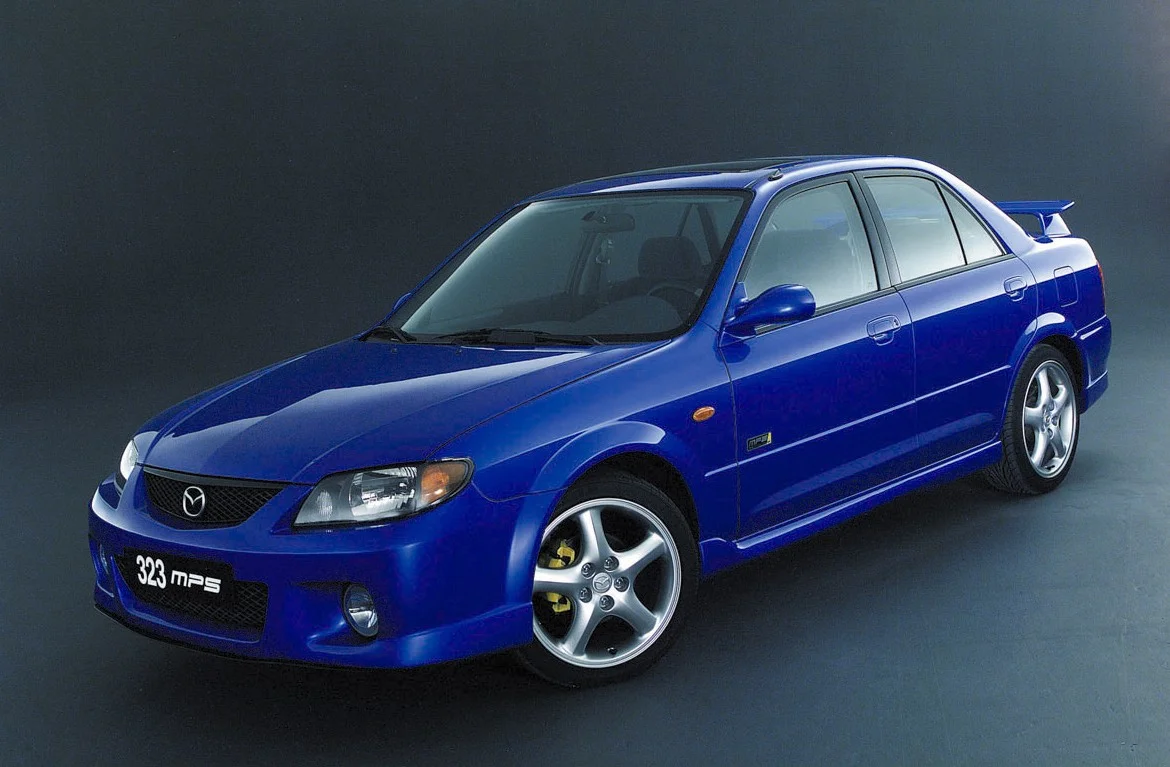
Buying your first car should feel like freedom, although the used car market has an impressive ability to make freedom smell faintly of burnt oil. For a learner driver, the right car should be safe, manageable and cheap enough to run without turning every service into a family financial summit. A proper test drive will reveal more than a polished advertisement, particularly when the seller has described several warning lights as “just sensors”. This first car buyer’s guide explains how to find something dependable before excitement persuades you to inherit somebody else’s mechanical problems.
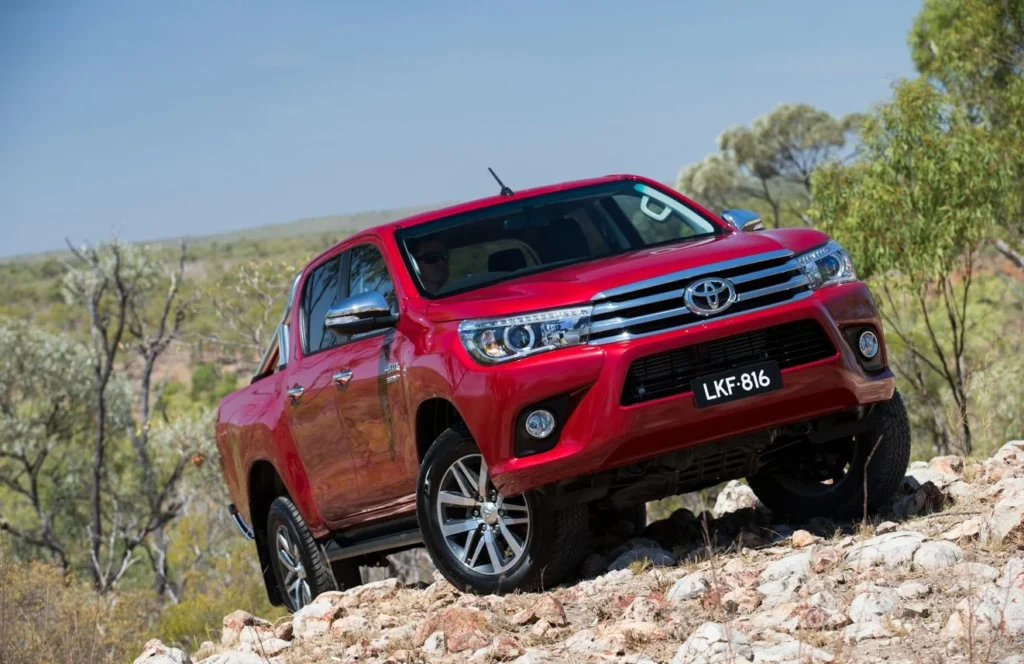
First car buyer’s guide: Start with what you can actually afford
The first mistake is deciding how much you can spend and then using every dollar to buy the car. The purchase price is merely the admission fee, and the expensive part of the evening may still be ahead. Registration, insurance, fuel, tyres, servicing and unexpected repairs continue long after the seller has disappeared from your life. Any useful first car buyer’s guide must treat those costs as part of the purchase, not unpleasant surprises for later.
Before inspecting any used car, obtain an insurance quote for that exact model and calculate what a normal year of ownership is likely to cost. Some inexpensive cars are surprisingly costly to insure, particularly sporty models, modified cars and vehicles popular with inexperienced drivers. For a learner driver, the insurance quote can eliminate a candidate before the inspection begins. The slightly dull hatchback often becomes considerably more attractive once the annual premium arrives.
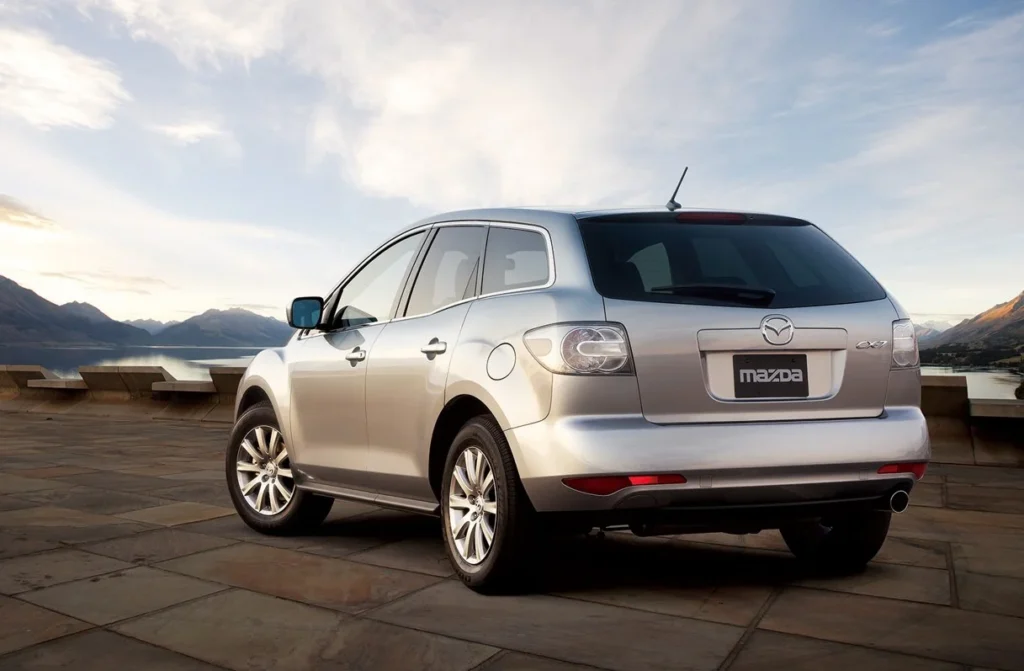
Leave money aside for the first service and any immediate repairs. Even an honest used car may need tyres, a battery, fluids or brakes shortly after purchase, especially when its previous owner knew a sale was coming and abruptly lost interest in preventive maintenance. Do not become fixated on finding the lowest-mileage example available. A first car buyer’s guide that treats mileage as the sole measure of quality is offering false precision.
Mileage matters, but condition and history say far more about how a car has lived. A well-maintained car with 140,000km can be a much stronger purchase than one showing 80,000km and no evidence that anybody has opened the bonnet since the warranty expired. Cars generally cope better with being driven than they do with being ignored. Look for a complete service history supported by receipts, because this is where a first car buyer’s guide becomes less glamorous but considerably more useful.
A stamped book is helpful, although invoices reveal what work was actually completed and whether expensive maintenance has already been addressed. Large gaps need an explanation. “My mate serviced it” may be perfectly true, but it is not quite the documentary reassurance most first-time buyers need before handing over several thousand dollars. Research the particular model rather than relying on the reputation of the manufacturer.

Every used car deserves model-specific scrutiny, especially when it will be entrusted to a learner driver. Almost every brand has produced excellent cars and at least one model that appears to have been designed during an internal disagreement. Search for common engine, transmission and electrical faults. Check whether the engine uses a timing belt or timing chain, when it requires attention and how much the work is likely to cost. Choose simplicity where possible. It is not the most thrilling advice in a first car buyer’s guide, but simplicity tends to age more gracefully than complexity.
A naturally aspirated petrol hatchback with conventional suspension and a common automatic transmission may not dominate conversation at a petrol station, but it is often exactly what a first car should be. There is nothing wrong with buying something interesting, provided you understand what that interest may eventually cost.
Turbochargers, folding roofs, complicated all-wheel-drive systems and ageing luxury-car electronics rarely become cheaper to repair simply because the vehicle itself has depreciated. The $8,000 former luxury sedan was once an $80,000 luxury sedan, and its suspension, electronics and climate-control system retain a surprisingly detailed memory of that original price. Safety should carry more weight than styling, screen size or an unnecessarily theatrical rear spoiler. For a learner driver, those fundamentals matter more than trim-level theatre.
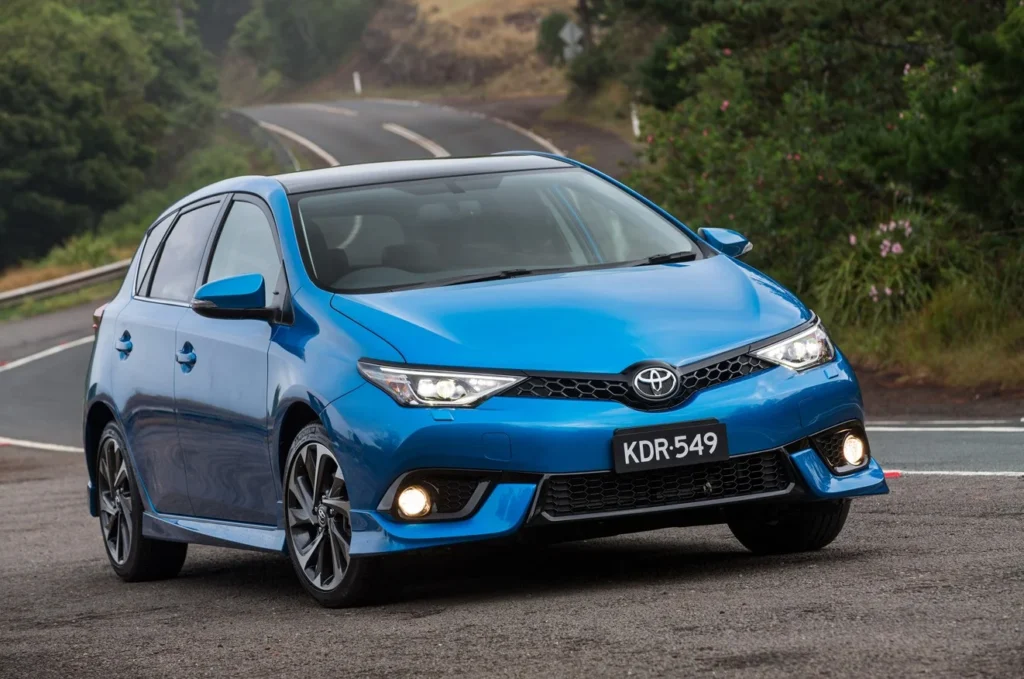
ANCAP recommends choosing the highest safety rating possible, preferably with a rating datestamp no older than six years, because crash-testing standards become tougher over time. Two cars carrying five-star ratings may therefore have earned them under markedly different requirements. Look for electronic stability control, anti-lock brakes, multiple airbags and autonomous emergency braking where the budget allows. A learner driver does not need a two-tonne fortress, but should buy the safest sensible car available within budget.
Tyres deserve more attention than they usually receive. No serious first car buyer’s guide should treat the four contact patches as an afterthought. Four reputable tyres with healthy tread are far more reassuring than four unfamiliar brands whose names sound like rejected smartphone applications. Check that the tyres match across each axle, have even tread and show no cracking, bulges or damage.Uneven wear can indicate poor wheel alignment, worn suspension or a car that has recently lost an argument with a kerb. The bodywork will often reveal more than the seller intended.
Inspect the used car in daylight when it is clean and dry, because rain and poor lighting disguise paint defects with remarkable efficiency. Look along each side for ripples, mismatched paint and inconsistent panel gaps. Overspray on rubber seals, lights or plastic trim can indicate previous repairs. A properly repaired accident is not automatically disastrous when the work is documented and structurally sound, but vague explanations deserve less confidence.
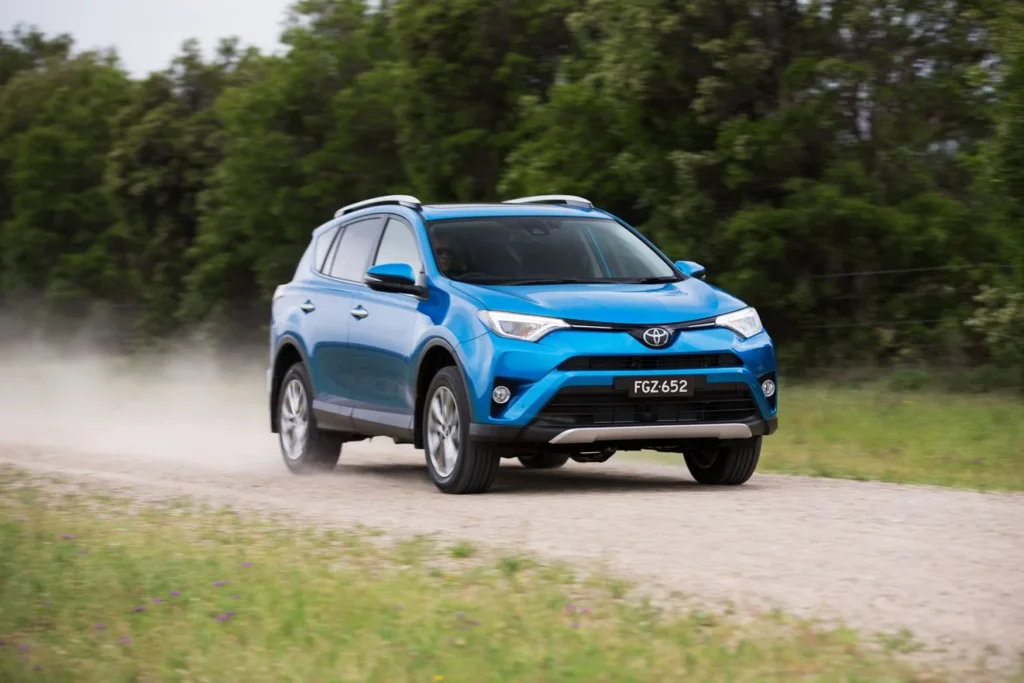
Rust matters more than a small dent. Check around the wheelarches, door bottoms, boot floor, sills and beneath the car, particularly if it has lived near the coast or in an area where roads are salted. Open every door, the bonnet and the boot. Damp carpets, mould, water stains or a spare-wheel well containing its own shallow pond suggest leaks that may eventually involve the electronics.
Inspect the fluids before the engine is started. A neglected used car often announces itself through what is missing, contaminated or leaking. Oil should be at the correct level, coolant should appear clean and the reservoirs should not be suspiciously empty. A creamy residue beneath the oil cap can result from repeated short journeys, although it may also indicate contamination.
Heavy sludge, visible oil leaks or coolant with an oily film deserve a professional opinion rather than the seller’s theory about condensation. Ask to see the car when the engine is cold. This first car buyer’s guide assumes the seller has nothing to hide, but still recommends checking. A warmed engine can conceal starting trouble, rattles, smoke and poor idle quality, which is why some sellers develop a sudden need to “move it out of the driveway” five minutes before you arrive.

The engine should start promptly and settle into a stable idle. A used car that objects to a cold start is already volunteering useful information. Brief condensation from the exhaust can be normal, but persistent blue smoke can indicate burning oil. Thick white smoke may suggest coolant trouble, while black smoke can point to excessive fuel or combustion problems. Do not ignore dashboard warning lights. A learner driver should not be expected to decode a dashboard already lit like a suburban Christmas display.
The warning lights should illuminate when the ignition is switched on and then extinguish after the engine starts. A light that never appears may have had its bulb removed or its message concealed. A warning light that remains illuminated is not made less important because the seller insists it is common. Test every electrical feature while the car is stationary.
The test drive should confirm how the car behaves in motion, not become the first time you discover that half the cabin has stopped working. Operate the windows, locks, mirrors, air conditioning, heater, infotainment system, cameras, lights, wipers and every available seat adjustment. Air conditioning should become properly cold rather than slightly less warm. “It only needs a regas” remains one of the motoring world’s great unverified promises, alongside “the noise has always been there”.

Before buying privately, run the vehicle identification number through the Australian Government’s Personal Property Securities Register. The official PPSR search costs $2 and can show whether a car has a registered financial interest, has been reported stolen or appears on a written-off vehicle register. Use the VIN from the car itself, not merely the number supplied in the advertisement. Compare it with the registration documents and make sure the seller’s identity and ownership story make sense.
Consumer protections depend on where the car is purchased. A first car buyer’s guide must distinguish between dealer and private sales because the buyer’s protections can differ substantially. Australian Consumer Law guarantees apply to cars bought from licensed dealers, while private purchases generally offer fewer protections and place more responsibility on the buyer. State and territory rules may impose further requirements.
In Queensland, a registered used vehicle generally needs a current safety certificate before transfer, but that certificate is not a comprehensive mechanical inspection. It confirms specific minimum safety requirements rather than promising that the engine, gearbox and air conditioning will enjoy a long and prosperous retirement.

The test drive should be longer than a trip around the block
A proper test drive begins before the car moves. Adjust the seat and mirrors, make sure the driving position feels natural and check that you can see the corners of the vehicle without performing yoga. For a learner driver, size and visibility matter enormously. A car that feels intimidating during a quiet inspection is unlikely to become more relaxing while merging across three lanes in heavy traffic. Drive the sort of roads the car will actually encounter. For a learner driver, the test drive should include the environments that currently require the most concentration. Include urban streets, a faster road, several corners, a hill and somewhere safe to brake with moderate force. Turn the stereo off during the test drive.
This is not the moment to assess bass response while the front suspension attempts to communicate in Morse code. Begin gently and pay attention to the steering. The car should track straight, respond consistently and return towards centre without pulling strongly to either side. Vibration through the steering wheel may indicate wheel or tyre trouble. Knocks over bumps can come from worn suspension components, while groaning or excessive heaviness may point to a steering issue. Test the brakes in a safe area. Any first car buyer’s guide can tell you what to inspect, but the test drive is where braking feel becomes impossible to disguise. The pedal should feel firm and progressive, without excessive travel, vibration or a tendency for the car to pull sideways.
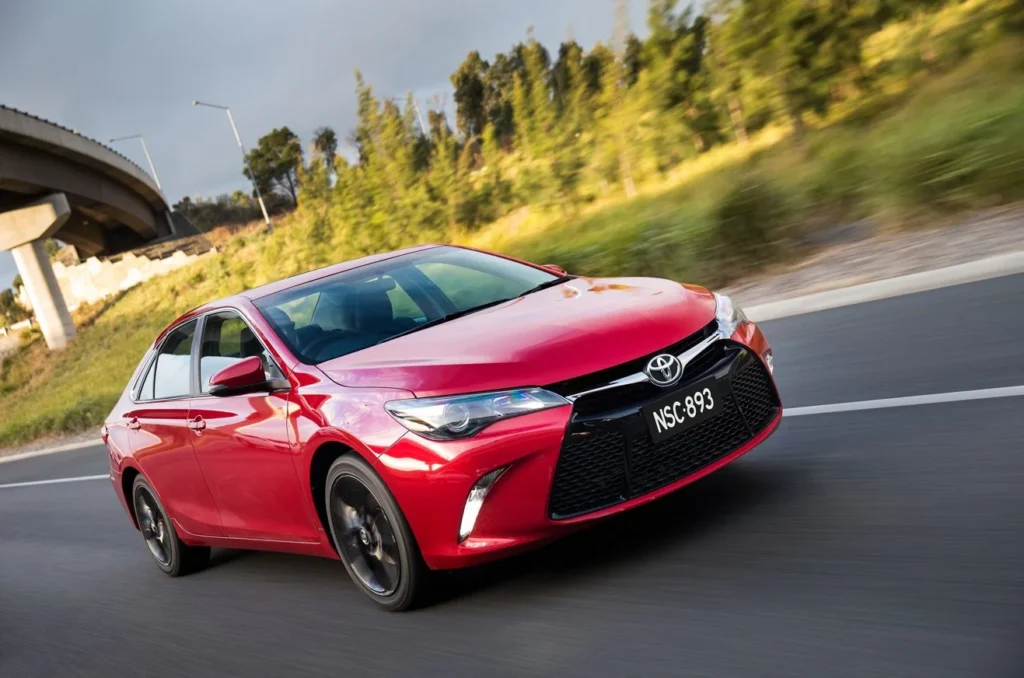
A pulse through the pedal during a normal stop can indicate distorted brake components. Grinding noises usually mean the time for casual observation has passed. Automatic transmissions should engage drive and reverse without a long delay or violent thump. During the test drive, shifts should be smooth and consistent, without slipping, flaring engine revs or hesitating when asked to accelerate.
A manual gearbox should select every gear cleanly, particularly when the car is intended for a learner driver. Check whether the clutch engages smoothly and whether the engine speed rises without a corresponding increase in road speed, which can indicate clutch slip. Watch the temperature gauge throughout the journey. An overheating used car may behave perfectly for the first few minutes, which is why a test drive needs time to reveal its temperament. The engine should reach its normal operating temperature and remain there, rather than gradually warming towards a small roadside crisis. After the test drive, leave the engine running and inspect the used car again. Check beneath it for fresh drips, listen for new noises and notice any hot, sweet or burning smells. Cooling fans may run after a journey, particularly in warm weather, but steam, coolant smells or a rapidly rising temperature gauge need investigation.
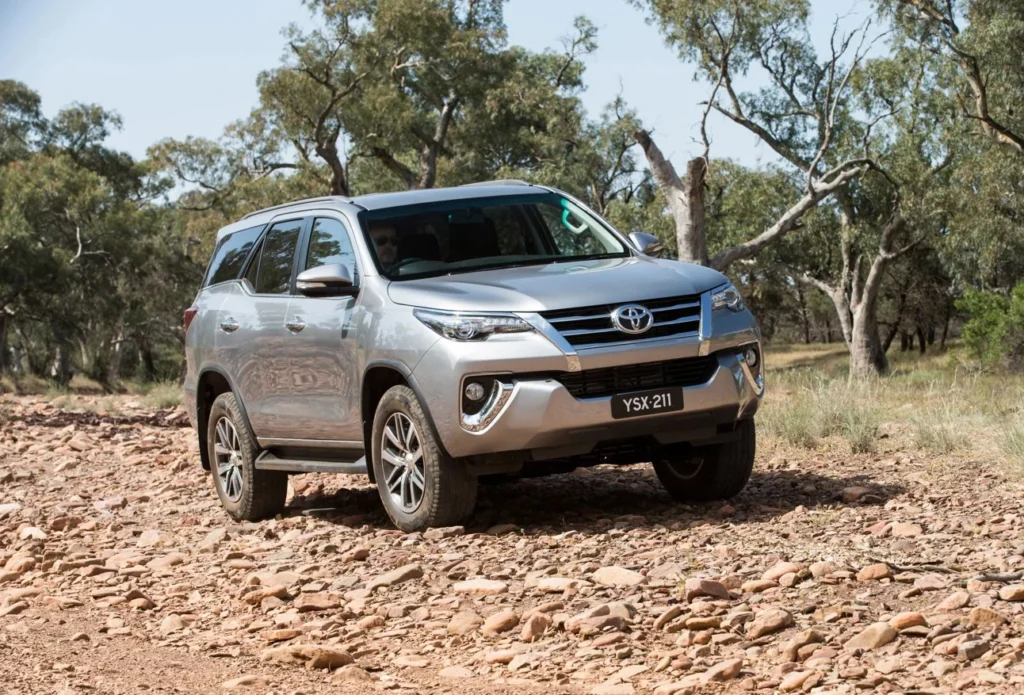
Do not let embarrassment push you into accepting an explanation you do not understand. Take another person with you, preferably somebody who knows cars or is less emotionally invested in the colour. Buyers become remarkably forgiving once they have pictured themselves driving a particular used car home. Do not allow the seller to control the entire test drive or rush the inspection. You are buying a machine that will carry you at motorway speeds, not trying on a jacket while a shop is closing. The most important step in this first car buyer’s guide is arranging an independent pre-purchase inspection. A learner driver and their family should regard that inspection as part of the purchase price. Pay a qualified mechanic who does not work for the seller to assess the engine, transmission, brakes, suspension, tyres, cooling system, body and electronics.
This can feel excessive on a cheap car, but inexpensive vehicles are often precisely where an inspection matters most. A modest fee can prevent the purchase of a used car requiring repairs worth half its value. Ask the mechanic for a realistic list of urgent work and future maintenance. A car does not need to be perfect, but you need to know which imperfections are cosmetic and which are warming up an invoice printer. Be prepared to walk away. There will always be another used car, even when the current one has the right colour, the ideal wheels and an air freshener that has somehow convinced you it represents destiny. Pressure is a warning sign. Claims that another buyer is arriving within the hour may be true, but that other buyer is welcome to inherit the urgency.
Never transfer money until you have confirmed the seller’s identity, checked the VIN, completed the PPSR search and agreed on the paperwork. The final stage of any first car buyer’s guide is deliberately unromantic, because paperwork is cheaper than litigation. Keep a written receipt recording the vehicle, VIN, price, date and details of both parties. Your first car does not need to be the car you dreamed about as a child.

It needs to start every morning, stop when requested and allow a learner driver to build confidence without every unfamiliar noise becoming financially significant. That does not mean buying something joyless. A small, dependable car can still have personality, and there is far more pleasure in driving an ordinary car that works than owning an exciting one that spends alternate months awaiting parts. The best first car is usually the example with the clearest history, strongest condition and fewest unanswered questions. Colour, wheels and optional equipment can break a tie, but they should not win an argument against neglected servicing. A learner driver will make mistakes. There will be scraped wheels, awkward parking and at least one moment when the clutch and traffic lights enter open conflict. Choose a car capable of absorbing those experiences without turning them into a financial emergency.
Something common, safe and mechanically straightforward gives a new driver room to improve before graduating to anything faster, stranger or upholstered entirely in beige leather. That is the point of this first car buyer’s guide. The right car is not necessarily the cheapest, newest or most exciting example in the classifieds, and the best test drive is the one that exposes a problem before money changes hands. It is the used car that survives the inspection, behaves properly on the test drive and still leaves enough money in your account to insure, service and enjoy it.
latest Stories
 Read full story


Join Our Community
Stay up to date with our latest stories, fresh insights, and special updates. Subscribe to receive carefully selected content delivered straight to your inbox.