


Bugatti Tourbillon tested on ice with 1,800HP Hybrid V16

Callum Tokody
Author of the post
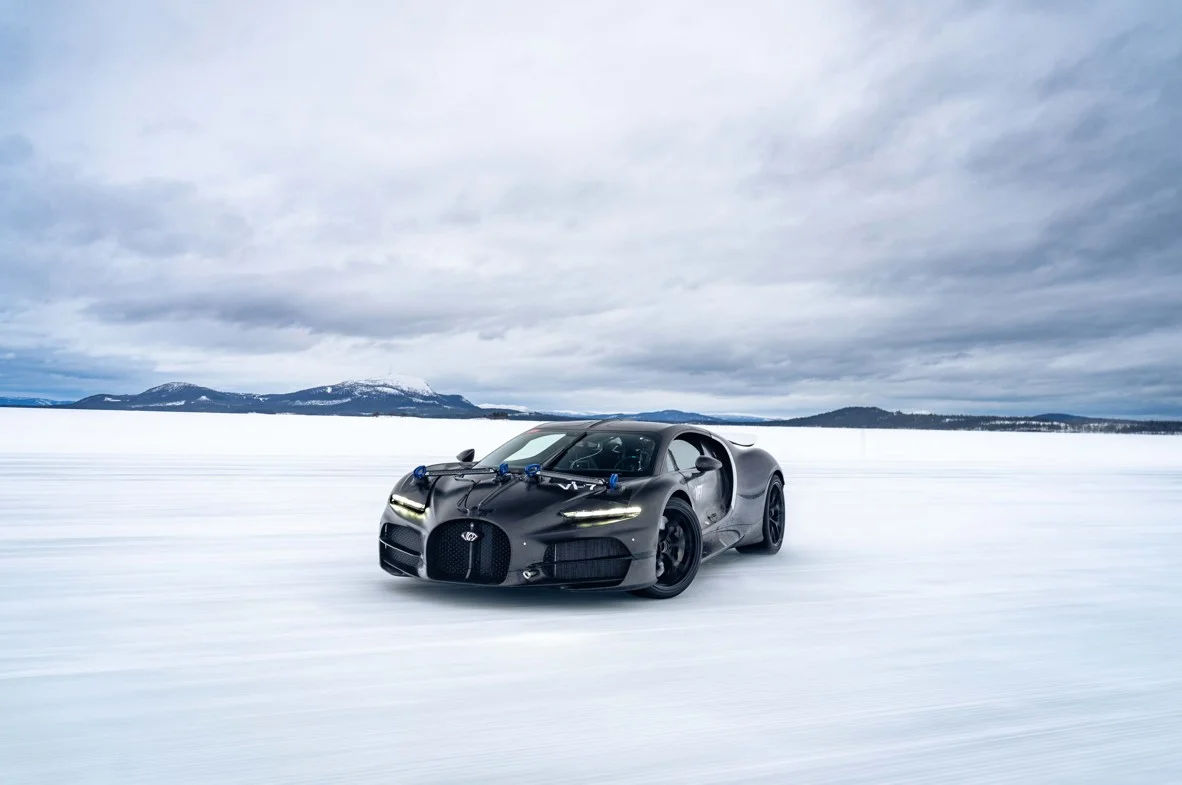
Most hypercar launches are carefully staged around warm racetracks, polished presentation rooms and dramatic sunset photography, which is exactly why seeing the Bugatti Tourbillon buried in snow and ice feels so strangely compelling. The new Hybrid V16 hypercar has been undergoing extreme winter testing in northern Sweden, where Bugatti engineers have spent weeks throwing the Bugatti Tourbillon across frozen lakes, polished ice and low-grip surfaces to refine everything from braking systems to all-wheel-drive behaviour. While the car’s 1,800HP output inevitably grabs attention, the real purpose of the winter testing programme is making sure the Bugatti Tourbillon still behaves like a Bugatti even when the surface underneath it barely offers any grip at all. It is a reminder that for brands operating at this level, raw speed is only part of the equation because true hypercar engineering is often about control rather than chaos.
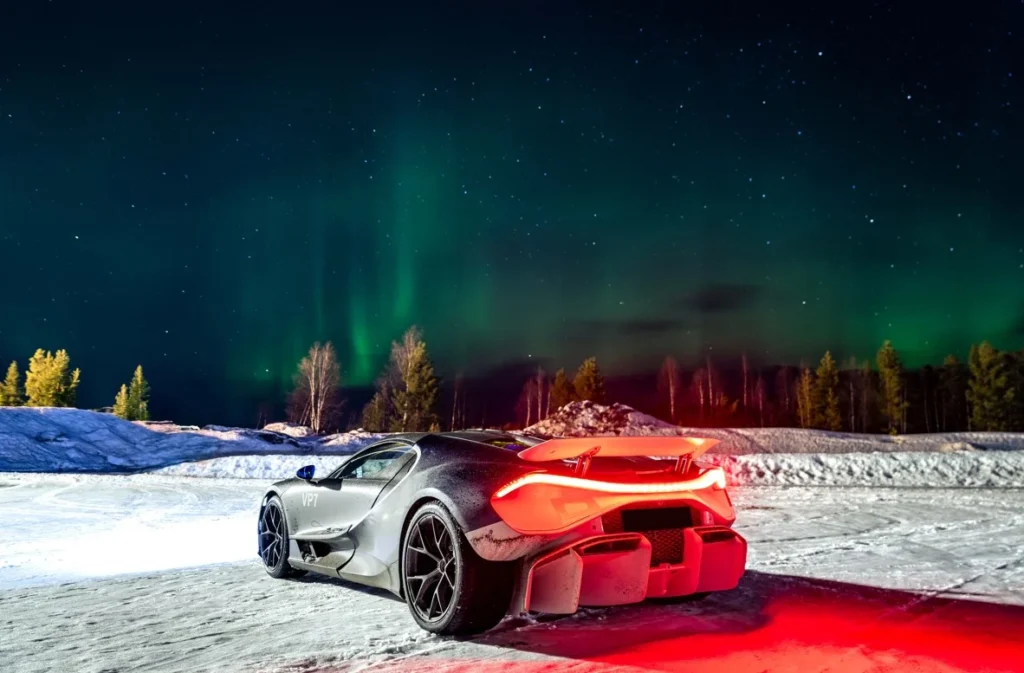
Bugatti Tourbillon faces brutal winter testing in Sweden
Bugatti carried out the latest stage of Bugatti Tourbillon development at the Colmis Proving Ground in Arjeplog, Sweden, where temperatures dropped as low as -30 degrees Celsius during parts of the programme. Over four weeks, engineers tested the Hybrid V16 hypercar across constantly changing conditions including snow, slush, polished ice and dry asphalt.
According to Bugatti Rimac Chief Development Driver Miroslav Zrnčević, the focus of the winter testing programme centres around systems like traction control, ESC calibration, ABS behaviour and climate management. In other words, the sort of engineering work most owners will never physically see but immediately notice if it has not been perfected properly.
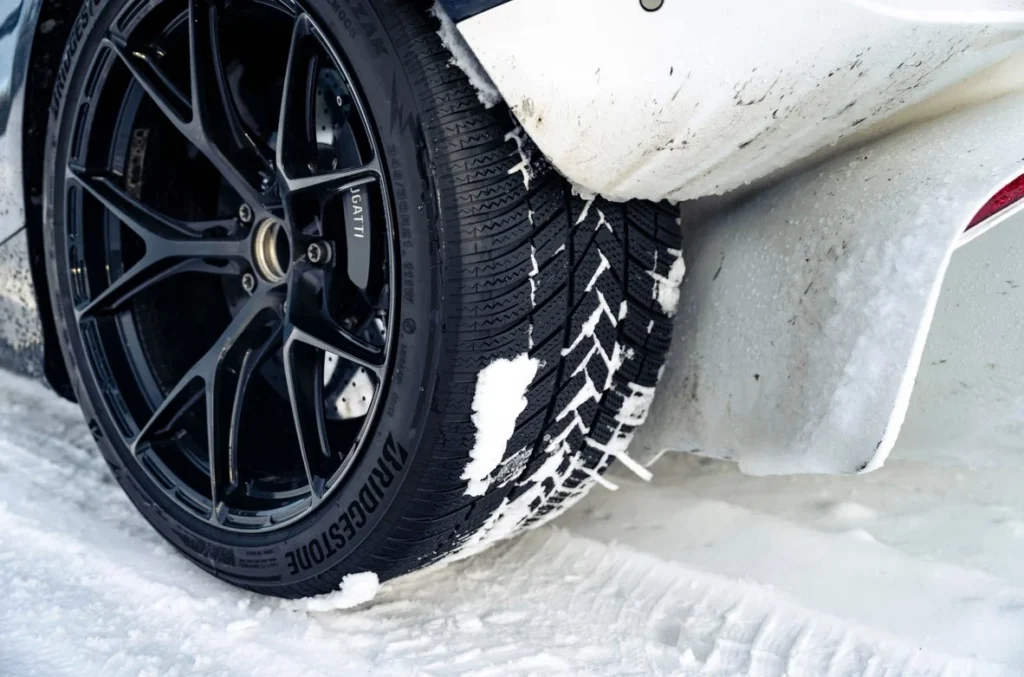
The Bugatti Tourbillon represents a complete reset for the brand mechanically, replacing the outgoing W16 architecture with an all-new naturally aspirated Hybrid V16 setup supported by three electric motors. Combined output sits at 1,800HP, which means maintaining stability on low-grip surfaces becomes significantly more complicated than simply managing power alone.
That challenge becomes even more extreme when grip levels suddenly change mid-corner or under braking. Bugatti specifically tested what engineers call “MU-jumps”, where the hypercar transitions instantly from high-grip asphalt onto polished ice, forcing the stability systems to react almost immediately.
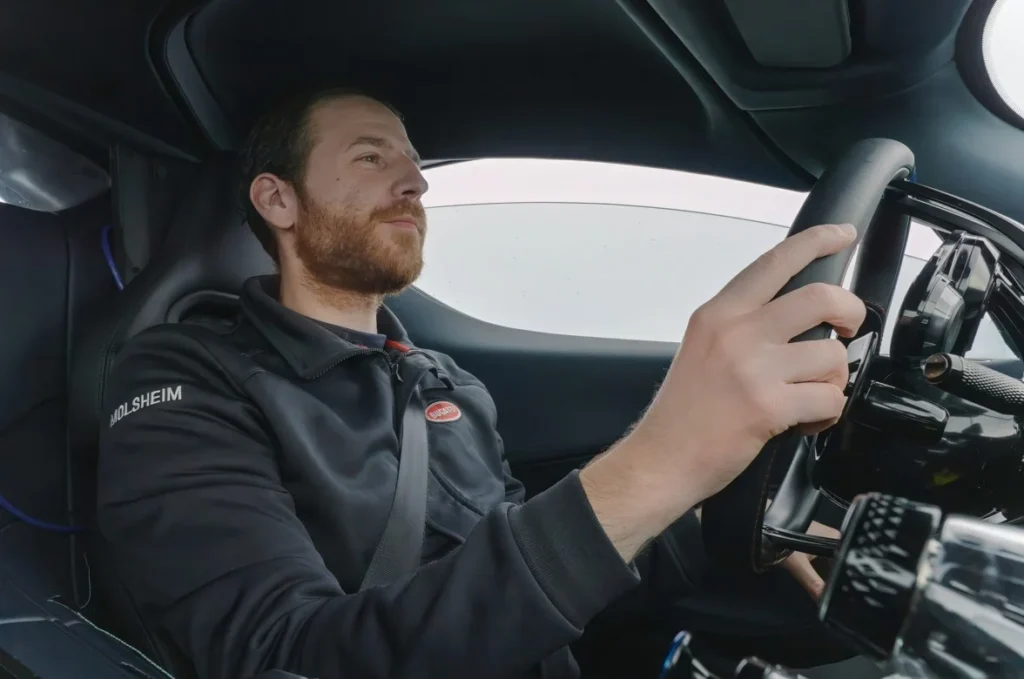
Unlike many modern performance cars that rely heavily on intrusive electronic intervention, Bugatti says the Tourbillon has been calibrated to remain natural and predictable from the driver’s perspective. The company repeatedly emphasises maintaining steering feel, throttle precision and driver confidence regardless of surface conditions.
That philosophy becomes particularly important given the Bugatti Tourbillon uses a highly advanced all-wheel-drive system incorporating two electric motors on the front axle. Torque vectoring, regenerative braking and stability systems all need to operate seamlessly together while still feeling intuitive to the driver behind the wheel.
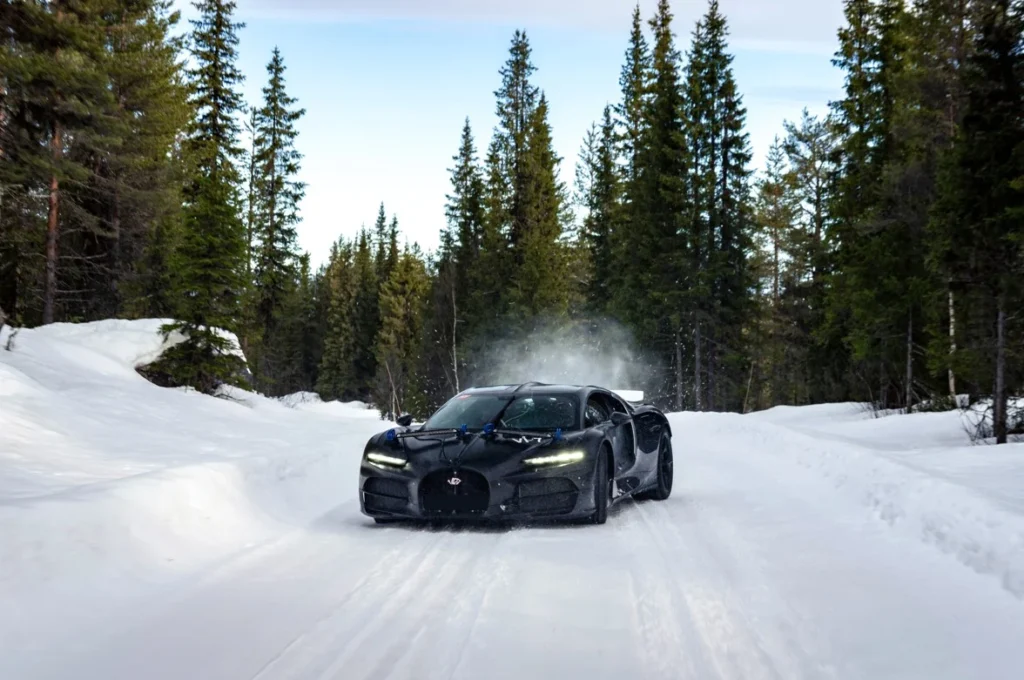
Bugatti Hypercar balances power with driver control
The winter testing programme also revealed more detail about how the Bugatti Tourbillon’s driving modes alter the car’s personality. Comfort mode prioritises stability and confidence, while Sport mode introduces a more neutral balance and a sharper, more expressive character.
Track mode takes things even further by shifting torque rearwards and allowing significantly more side slip before the safety systems intervene. Bugatti says the goal is creating a hypercar that can feel playful and adjustable without sacrificing the composure expected from the brand.
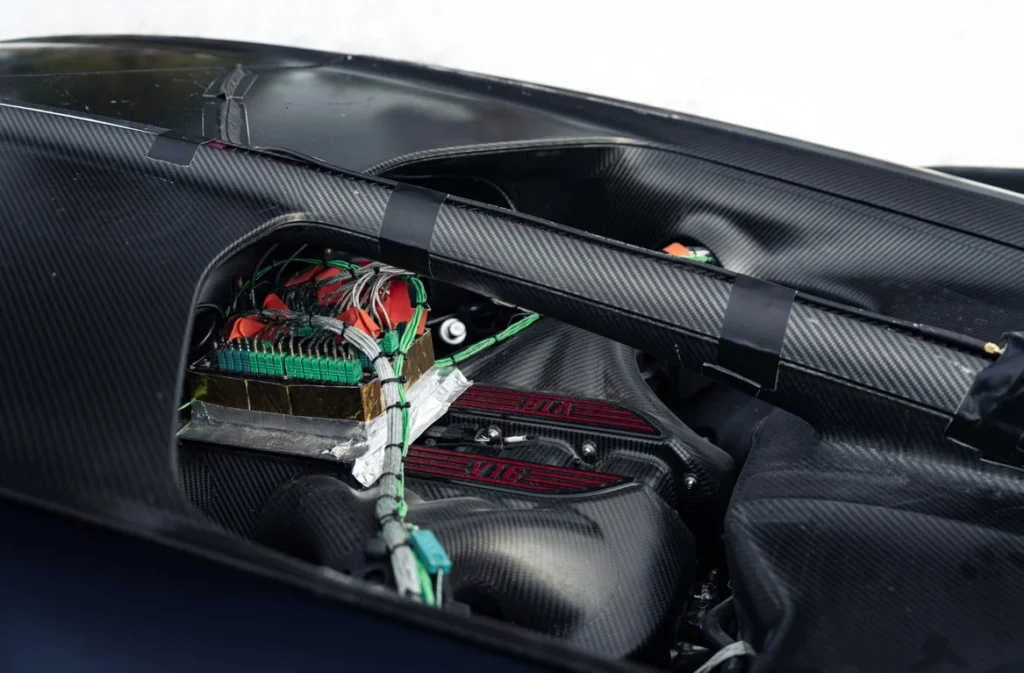
That balancing act is becoming increasingly important for modern hypercars generally. Massive power figures are no longer enough on their own because most cars at this level are already absurdly fast in a straight line.
What separates the best modern hypercar platforms now is how usable and confidence-inspiring they feel when conditions become imperfect. The Bugatti Tourbillon appears designed specifically around that philosophy, blending massive Hybrid V16 performance with electronic systems sophisticated enough to make the car approachable rather than intimidating.

Interestingly, Bugatti also spent considerable time testing cabin comfort systems during the Sweden programme. Climate control, cabin heating, visibility and windscreen defogging were all evaluated under real-world extreme cold conditions rather than laboratory simulations.
That attention to detail reflects the broader challenge Bugatti faces with the Tourbillon. Replacing the Chiron was never simply about creating something faster because Bugatti already sits at the very top of the automotive performance hierarchy.
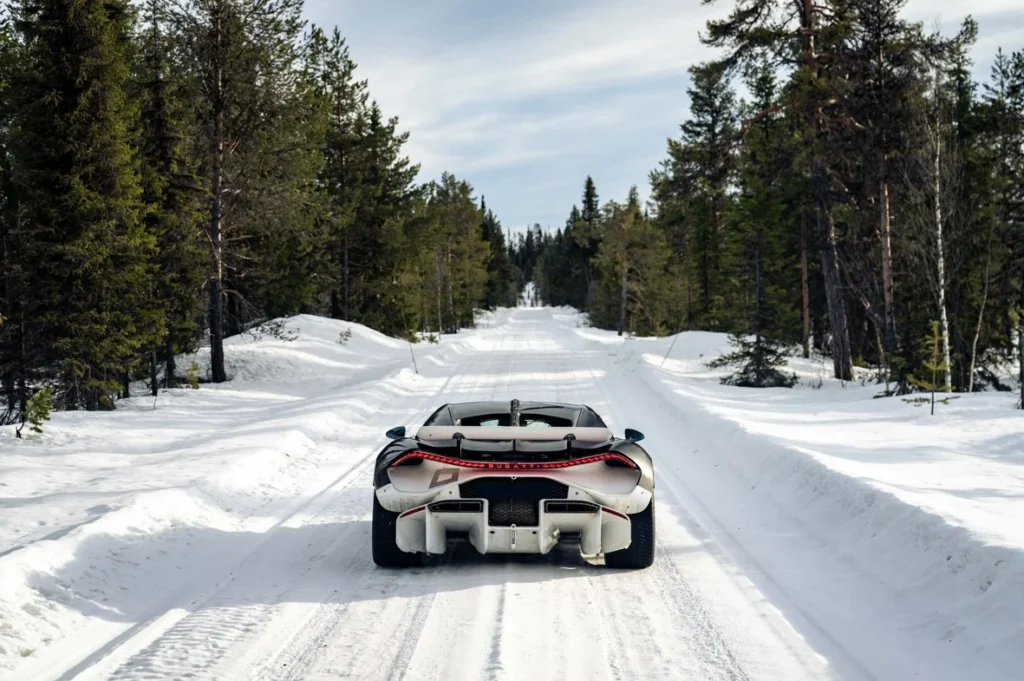
Instead, the Bugatti Tourbillon needs to redefine what a modern hypercar can feel like emotionally while integrating electrification and increasingly complex technology underneath the surface. The naturally aspirated Hybrid V16 architecture is central to that effort because it preserves the sense of theatre and mechanical drama many enthusiasts feared would disappear from the hypercar segment entirely.
The Sweden programme also highlights something often overlooked about ultra-high-end automotive development. Beneath the glamour of carbon fibre and horsepower figures sits an enormous amount of engineering work carried out in freezing temperatures by teams chasing tiny improvements most customers will never consciously notice.

Still, those invisible refinements are exactly what separates genuinely great performance cars from merely fast ones. And judging by the amount of effort Bugatti is pouring into the Bugatti Tourbillon winter testing programme, the company clearly understands that maintaining its reputation will require much more than simply building another fast Hybrid V16 machine.
latest Stories
 Read full story

Join Our Community
Stay up to date with our latest stories, fresh insights, and special updates. Subscribe to receive carefully selected content delivered straight to your inbox.