


New BMW X5 debuts with petrol and diesel very much still alive

Callum Tokody
Author of the post
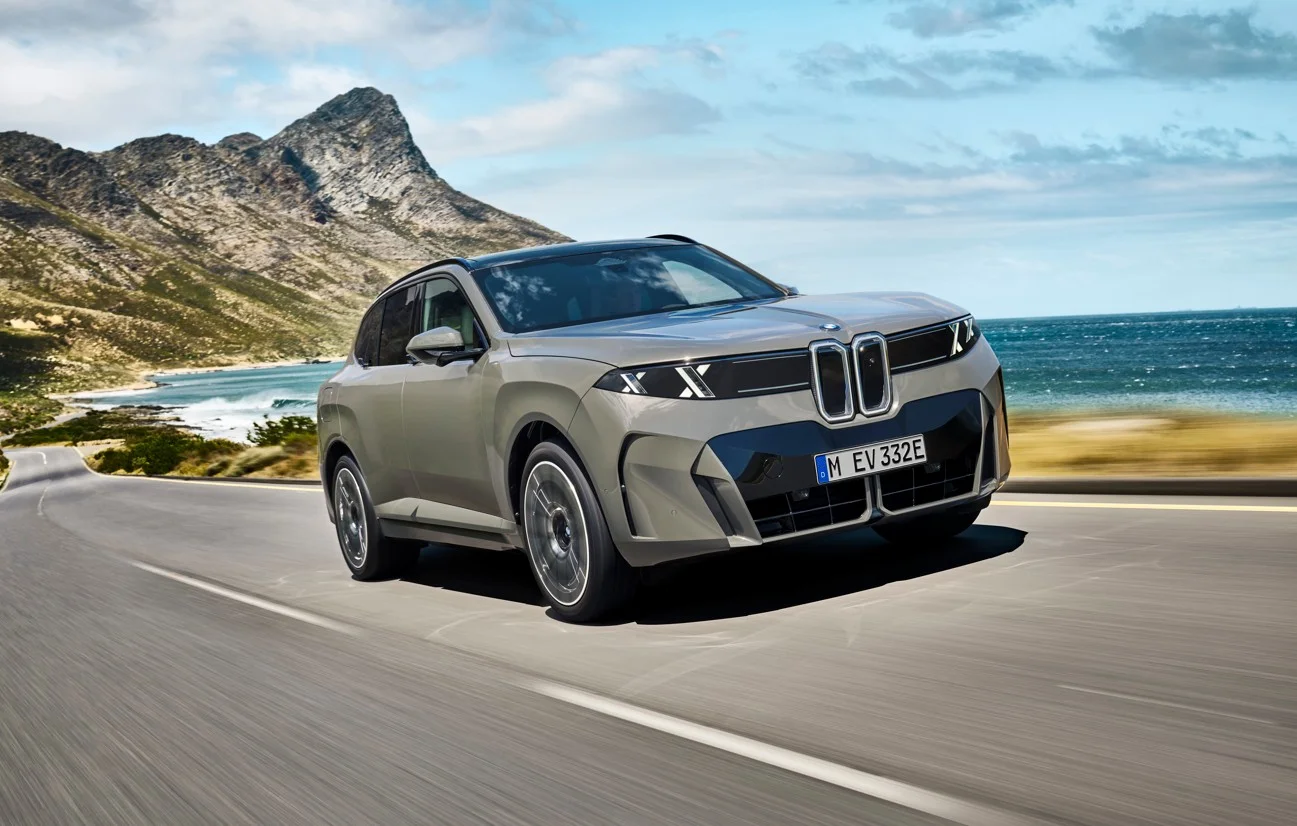
BMW has revealed the fifth-generation BMW X5, complete with petrol, diesel, plug-in hybrid, electric and eventually hydrogen power, because choosing one direction would have been rather limiting. The new luxury SUV also brings a much cleaner interior, enormous charging figures and enough screens to keep every passenger occupied during a minor family dispute. Its first fully electric SUV version will be called the BMW iX5, while the hybrid SUV range now stretches from sensible to faintly ridiculous. Beneath all the technology, though, this remains BMW’s attempt to build one X5 for almost everyone.
The BMW X5 has decided to keep every engine
The first models are due to reach the market in late November 2026, with production beginning at BMW’s Spartanburg plant in August. The electric SUV and plug-in hybrid SUV versions will follow in early 2027, while the hydrogen model remains pencilled in for later.
Initially, buyers will be offered a 400hp X5 40 xDrive petrol and a 313hp X5 40d diesel, both using 48-volt mild-hybrid assistance. The diesel’s survival may come as a surprise to anyone who has spent the past five years being told it was already dead, although long-distance luxury SUV buyers will probably be quietly delighted.
The plug-in hybrid SUV range begins with the X5 50e, which combines a 3.0-litre six-cylinder petrol engine and an electric motor for 489hp and 700Nm. It can cover up to 102km on electric power and reach 100km/h in five seconds, which should be sufficient for even the most aggressively punctual school run.
Above it sits the X5 M60e, producing 612hp and 800Nm from another six-cylinder plug-in hybrid system. It reaches 100km/h in 4.5 seconds, or 4.2 seconds if BMW’s one-foot rollout figure is used, which is a wonderfully elaborate way of making an already fast luxury SUV sound fractionally faster.
A conventional V8 will return later, although BMW has not yet supplied the full details. That should placate the people who consider a large German SUV fundamentally incomplete unless it can rearrange the contents of a nearby petrol station.
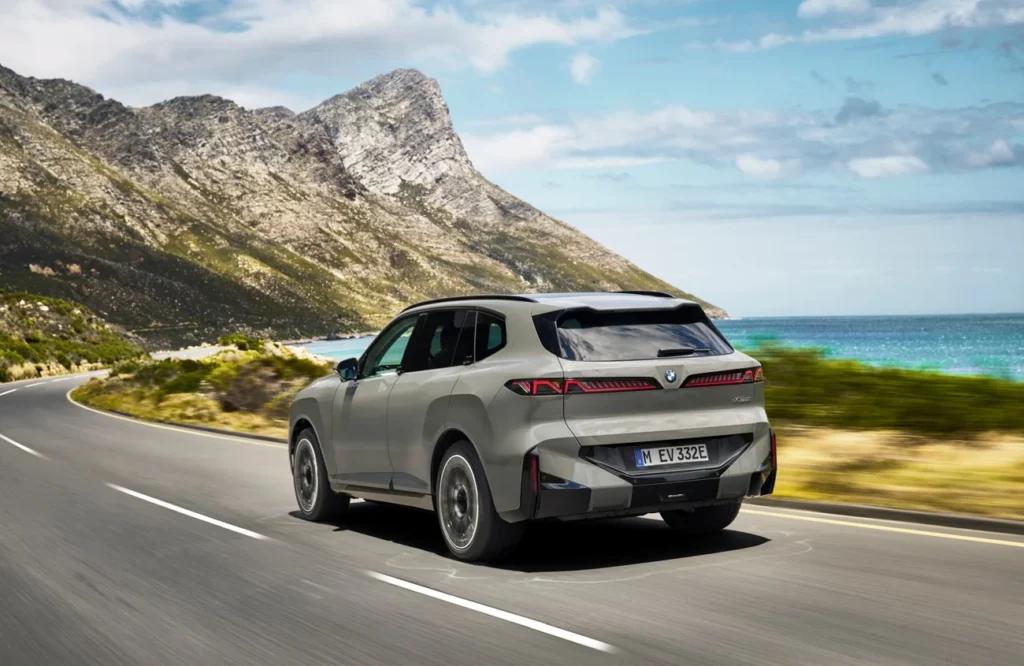
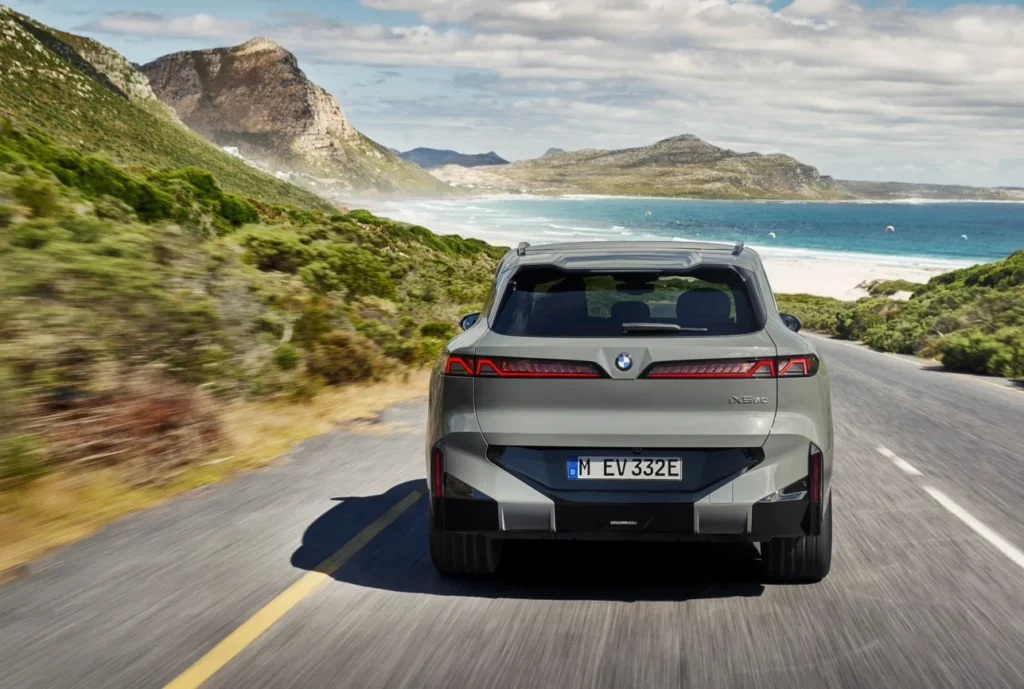
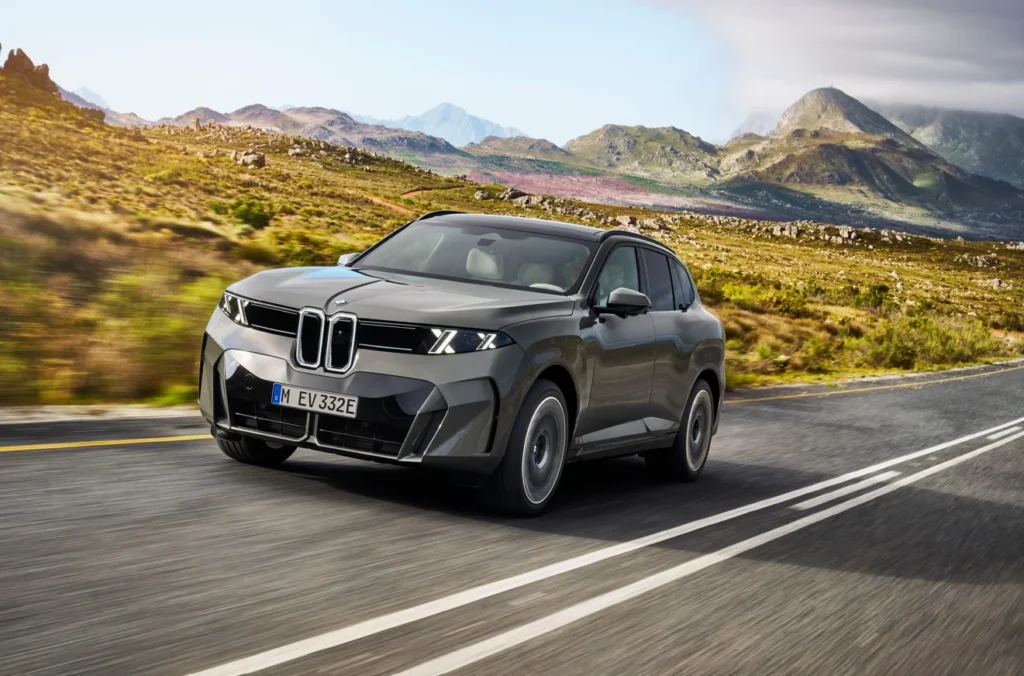
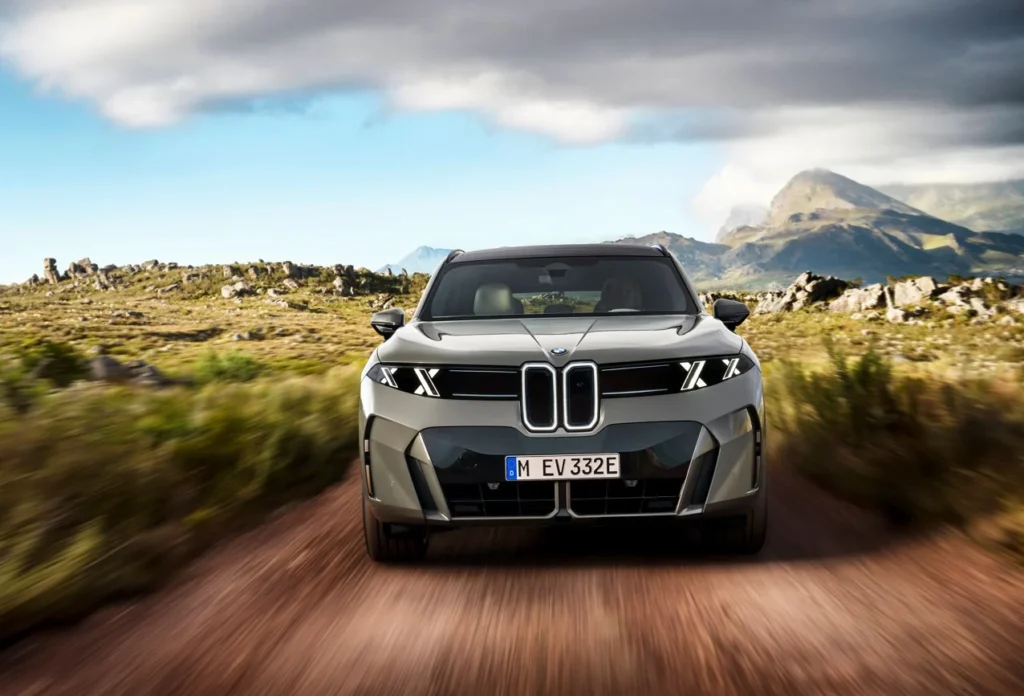
The new BMW X5 is longer than before, with a 60mm increase in wheelbase and substantially more rear knee room. Its proportions remain recognisably X5, although the upright front, illuminated vertical kidney grille and new double-X light graphics make it look as though the previous car has recently discovered architecture.
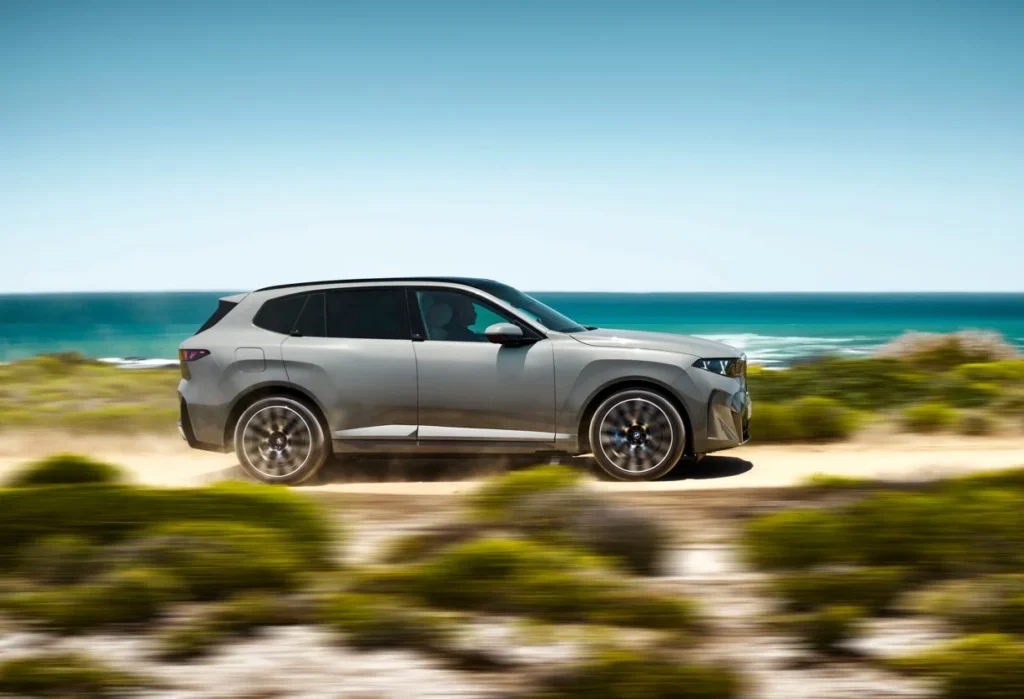
The door handles are now recessed into the pillars and have been christened BMW Winglets. Touching one opens the electrically powered door, while pressing the brake pedal can close it once the driver is seated, sparing owners from the exhausting business of reaching several inches to their left.
Standard wheels measure 21 inches, with 22 and 23-inch designs also available. The latter should look tremendous outside a restaurant and rather less tremendous when introduced to a pothole.
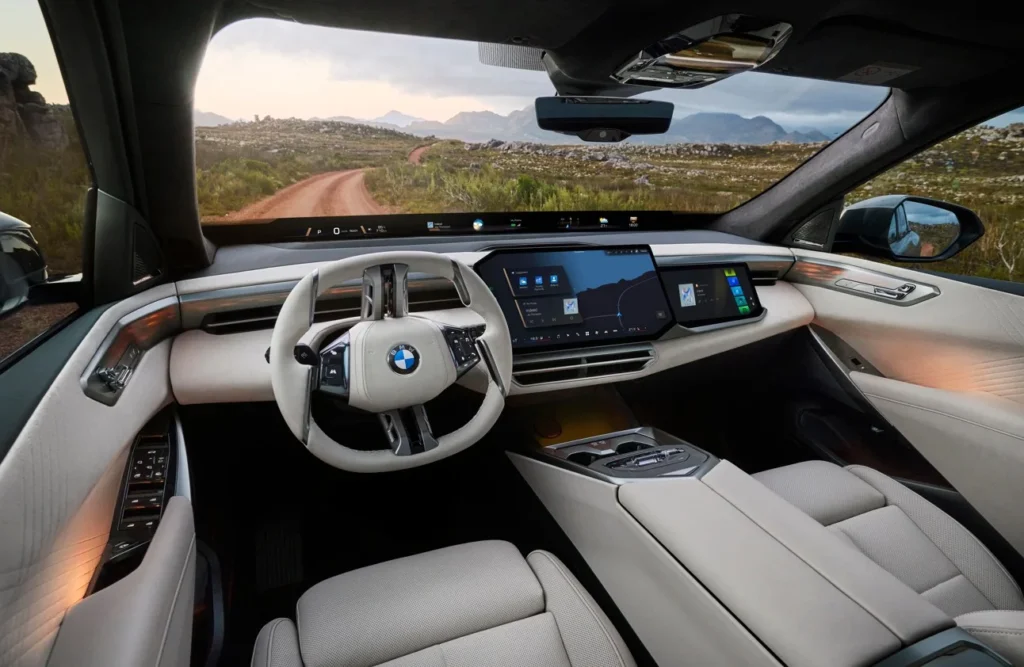
Inside, the BMW X5 adopts the Panoramic iDrive system introduced with BMW’s Neue Klasse technology. A projection stretches across the bottom of the windscreen, accompanied by a 17.9-inch central display and an optional 14.6-inch screen for the front passenger.
That passenger can stream films, play games or join video meetings while the car is moving. An interior camera watches the driver and dims the display if it detects any wandering attention, which feels less like a luxury SUV feature and more like being supervised during an exam.
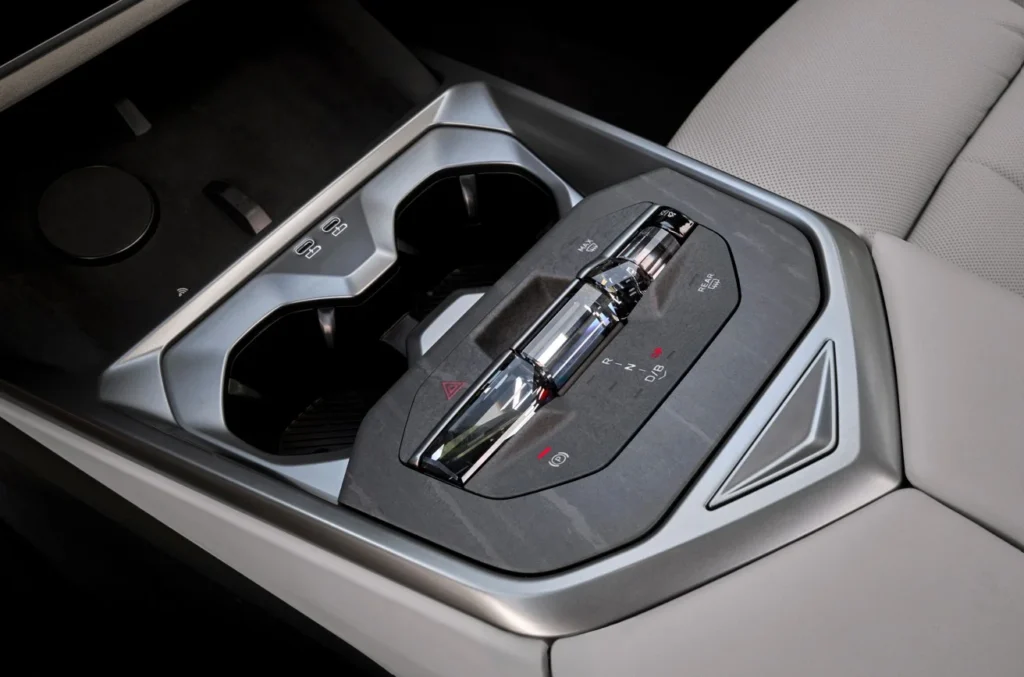
BMW has retained some physical controls on the steering wheel, although many cabin functions now live within the screens. The company calls the illuminated switchgear “shy tech”, a phrase that will presumably make perfect sense after several weeks and a lengthy handover at the dealership.
The materials sound more convincing. Buyers can specify real slate, crystal glass controls, Merino leather, ventilated and massaging seats, a panoramic roof and a Bowers & Wilkins audio system with Dolby Atmos.
The electric SUV is where things become serious
The headline model is the BMW iX5 60 xDrive, the first fully electric SUV to wear the X5 badge. It uses BMW’s sixth-generation eDrive system, an 800-volt electrical architecture and a vast 141kWh usable battery mounted beneath the floor.
Its two motors produce 578hp and 805Nm, driving all four wheels and sending the 2,900kg electric SUV from 0 to 100km/h in 4.6 seconds. That kerb weight is roughly what happens when a luxury SUV swallows a small hatchback, although the payoff is a claimed WLTP range of up to 845km.
Charging can peak at 460kW, with BMW claiming a 10 to 80 per cent charge in 23 minutes. Ten minutes at a sufficiently powerful charger can add as much as 350km of range, although locating that sufficiently powerful charger may remain the more time-consuming part of the journey.
The BMW iX5 also supports charging at up to 22kW on alternating current and includes bidirectional charging capability. It has a 53-litre storage compartment under the bonnet too, so BMW has at least remembered that removing an engine ought to leave somewhere useful to put a cable.
Further down the road, the iX5 Hydrogen will pair a fuel-cell system with BMW’s new flat hydrogen tanks and a smaller high-voltage battery. BMW is targeting up to 750km of range and refuelling in under five minutes, figures which sound excellent provided the owner lives near one of the world’s comparatively rare hydrogen stations.
Trying to develop five powertrain types for one luxury SUV sounds extravagant, complicated and expensive. It may also be the most sensible decision BMW could have made.
Electric-car adoption remains uneven, charging access varies wildly and plenty of X5 owners still tow, travel long distances or live where plugging in every night is unrealistic. Offering an electric SUV, two hybrid SUV models, petrol, diesel, hydrogen and a future V8 acknowledges that the market is currently far messier than the industry’s grand declarations suggest.
There is an obvious downside. The new BMW X5 risks becoming a technical catalogue with a boot, and some of its digital features feel as though they were added because the software department had finished early that afternoon.
Still, the underlying strategy is hard to dismiss. The BMW X5 gives customers genuine choice, the iX5 brings range and charging numbers capable of changing minds, and the combustion models have not been apologetically hidden at the back of the brochure.
BMW has spent years calling its approach “technology open”, which usually sounds like corporate language for refusing to commit. In the case of the new BMW X5, refusing to commit may be exactly why it works.
latest Stories
 Read full story

Join Our Community
Stay up to date with our latest stories, fresh insights, and special updates. Subscribe to receive carefully selected content delivered straight to your inbox.