


Lotus Type 135 revealed as 1,000HP Hybrid V8 supercar

Callum Tokody
Author of the post
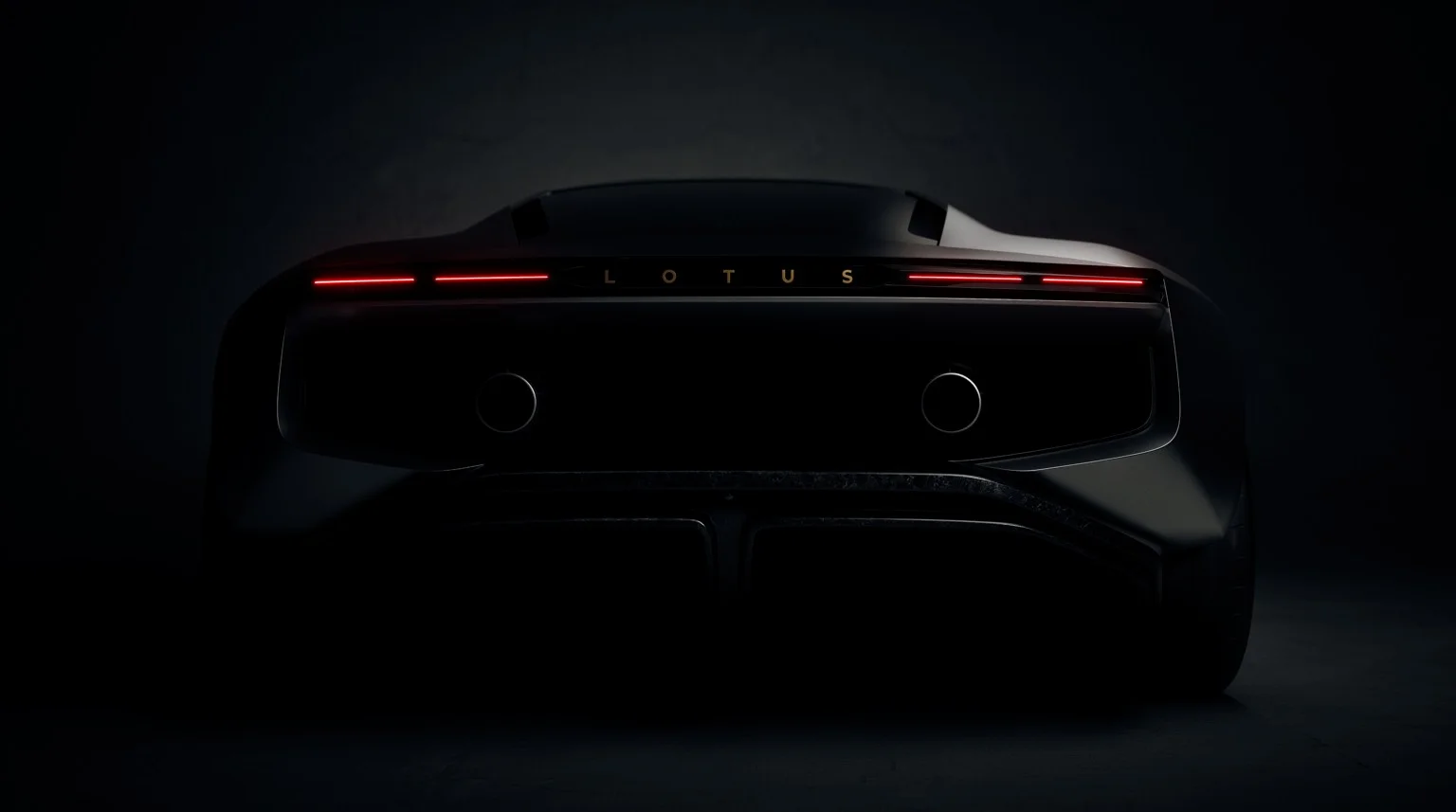
Lotus has spent the last few years trying to convince the world it could become a serious electric luxury brand, but the Lotus Type 135 suggests the company may finally be remembering what made enthusiasts care in the first place. Revealed as part of Lotus’ new Focus 2030 strategy, the upcoming supercar will feature a Hybrid V8 powertrain producing more than 1,000PS, immediately placing the Lotus Type 135 back into the kind of performance car territory the brand built its reputation on decades ago. More importantly, Lotus appears to be admitting that fully electric performance cars alone were never going to satisfy everyone, especially buyers still emotionally attached to noise, theatre and mechanical character. In many ways, the Lotus Type 135 feels less like a product announcement and more like Lotus correcting its own trajectory.
Lotus Type 135 brings Hybrid V8 power back to the brand
The Lotus Type 135 is scheduled to arrive in 2028 as the company’s first-ever series-production supercar powered by a Hybrid V8 setup. Lotus says the new performance car will be an entirely new model developed around over 1,000PS, with manufacturing expected to take place in Europe.
While Lotus avoided revealing styling details or technical specifications beyond the headline figures, the broader message behind the car was difficult to miss. After years of aggressively promoting electrification, Lotus is now openly committing to a multi-powertrain future built around internal combustion engines, plug-in hybrids and battery-electric vehicles simultaneously.
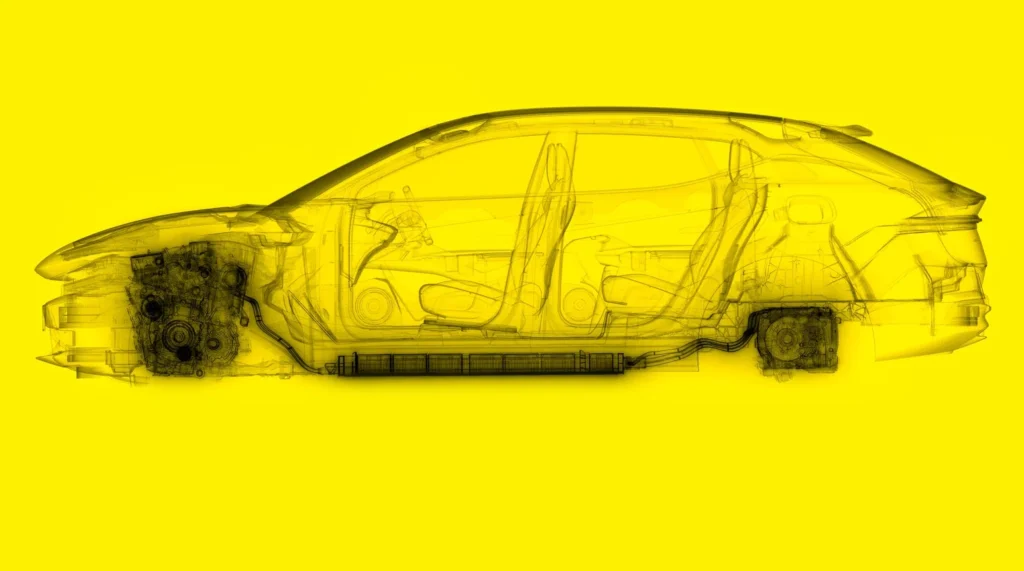
That shift arrives under the company’s newly announced Focus 2030 business strategy, which Lotus describes as a reset for both the brand and the business. Qingfeng Feng, CEO of Lotus Group, said the strategy is intended to return Lotus toward its core DNA of lightweight engineering, aerodynamics and driver engagement.
Those words matter because many enthusiasts felt Lotus risked losing some of its identity during the rapid expansion into electric SUVs and luxury EVs. Cars like the Eletre and Emeya may have broadened the company’s commercial reach, but they also pushed Lotus into a very different part of the automotive market than the one traditionally associated with the brand.
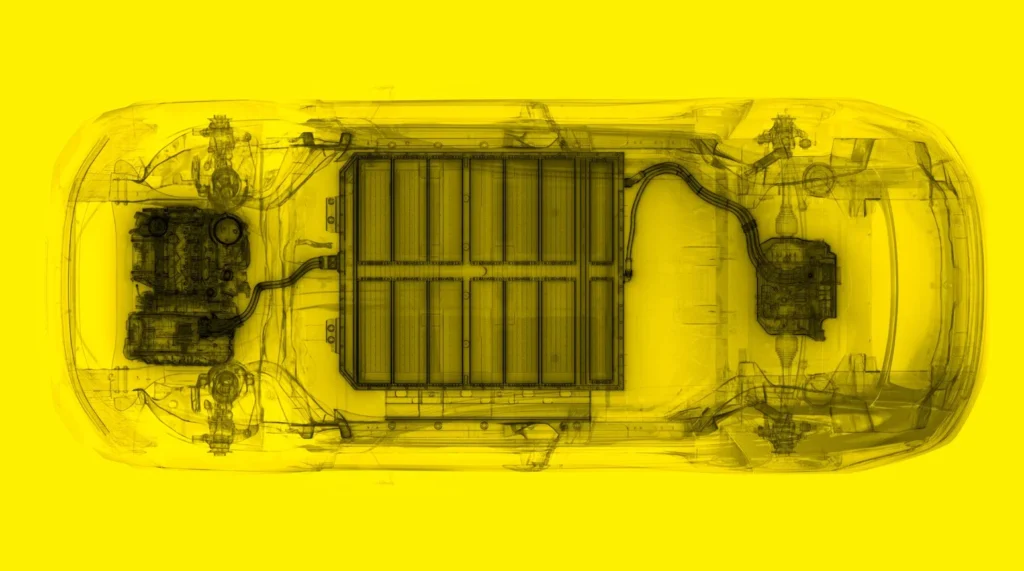
The Lotus Type 135 appears designed to pull some of that focus back toward the company’s enthusiast roots. Lotus specifically positioned the new supercar as the next evolution of its proprietary hybrid technology, combining combustion performance with electric assistance rather than abandoning internal combustion entirely.
Interestingly, Lotus also confirmed the continuation of the Emira, reinforcing ongoing demand for combustion-engine sports cars despite increasing regulatory pressure. An updated version of the Emira is expected in the coming weeks and will reportedly become the lightest and most powerful Emira ever produced.
Lotus Focus 2030 changes the company’s direction
The bigger story surrounding the Lotus Type 135 is what it reveals about the state of the automotive industry more broadly. Several manufacturers that previously promised rapid full electrification are now quietly pivoting back toward hybrid technology as customer demand and global regulations evolve more slowly than expected.
Lotus is now openly targeting a portfolio split of roughly 60 percent plug-in hybrid and 40 percent battery-electric vehicles in the short term. That strategy centres around its X-Hybrid system, which first appeared on the Eletre and combines long-range usability with high-performance driving characteristics.
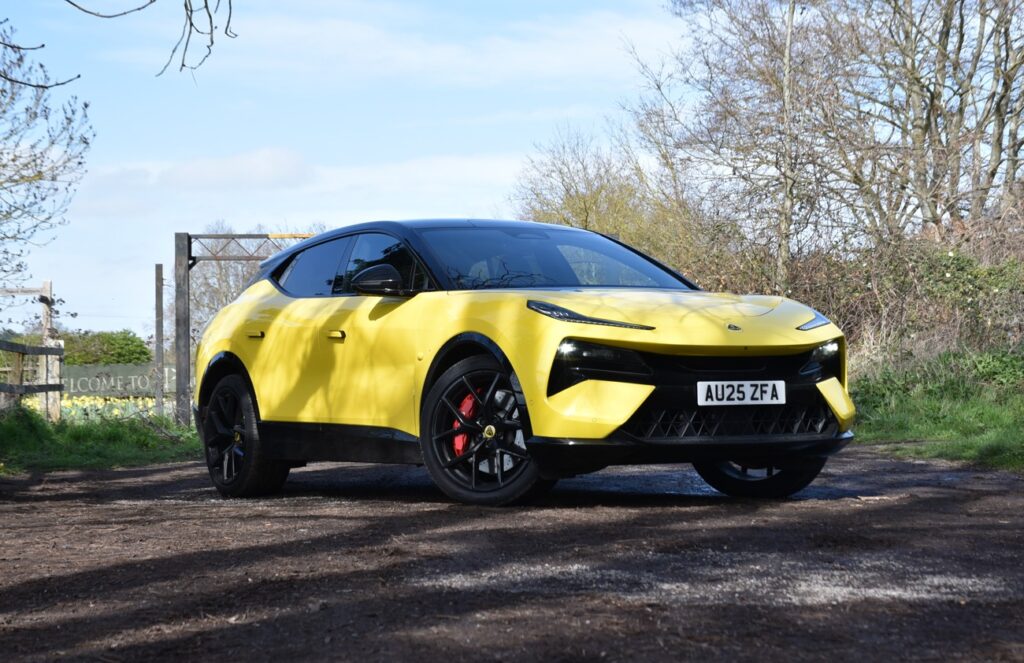
Lotus claims the X-Hybrid setup can deliver up to 952PS and more than 1,200km of total range while still achieving 0-100km/h in 3.3 seconds. Those are massive figures, although Lotus clearly understands that numbers alone are no longer enough to excite enthusiasts.
That is likely why the company keeps repeatedly emphasising driver engagement throughout the Focus 2030 announcement. Lotus knows its reputation was never built on touchscreen technology or luxury interiors alone, but rather on lightweight engineering and the feeling its cars delivered behind the wheel.
The company also confirmed deeper collaboration with Geely Holding Group as part of the strategy. Lotus says the partnership will improve manufacturing efficiency, electrification capability and development speed while allowing the British marque to continue focusing on performance engineering expertise.
There is also a financial reality behind all of this. Lotus openly admitted the Focus 2030 strategy is designed to improve margins, reduce operational complexity and guide the business toward sustained profitability with annual sales targets of around 30,000 units.
Still, the Lotus Type 135 remains the emotional centrepiece of the announcement because it represents something buyers can actually get excited about rather than another corporate restructuring plan. A Hybrid V8 supercar producing over 1,000PS sounds far more aligned with the rebellious spirit Lotus keeps referencing than another oversized luxury crossover.
Whether Lotus can successfully balance its heritage with the realities of modern electrification remains uncertain. But the Lotus Type 135 at least suggests the company finally understands that a true performance car brand cannot survive on efficiency targets and battery architecture alone.
latest Stories
 Read full story


Join Our Community
Stay up to date with our latest stories, fresh insights, and special updates. Subscribe to receive carefully selected content delivered straight to your inbox.