


Mercedes reveals first ever electric C-Class with record breaking battery range

Callum Tokody
Author of the post
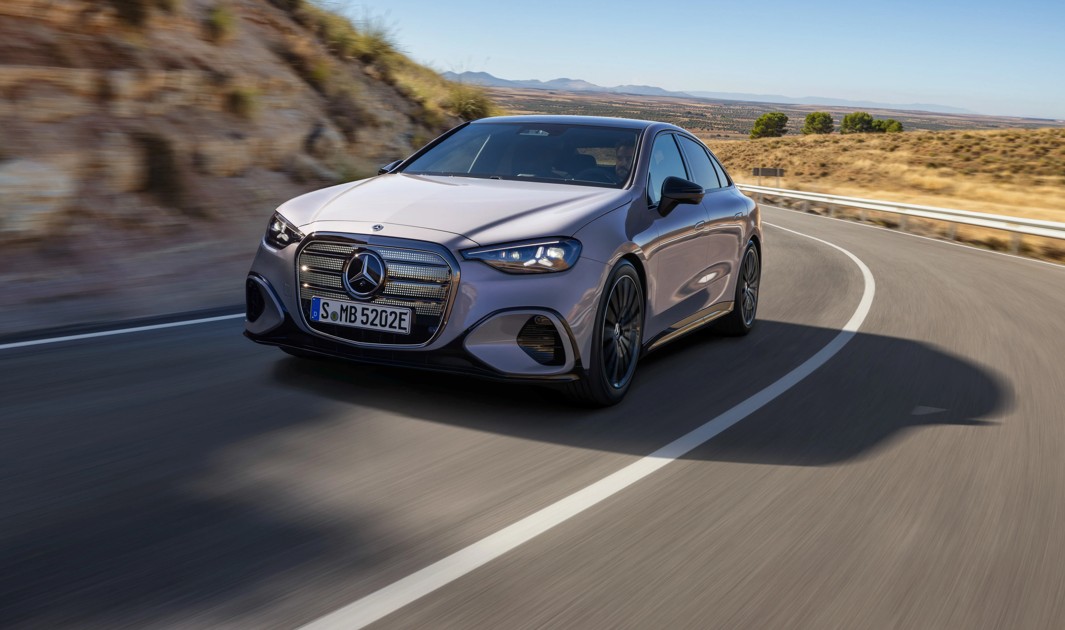
There is a moment when a familiar badge stops being predictable, and the C-Class seems to have reached that point. Mercedes-Benz has introduced its first fully electric version, and it is not presenting it as a tentative experiment or a quiet addition to the range. Instead, this C-Class arrives talking about battery range and leaning heavily on the Hyperscreen, which suggests the priorities have shifted. It still carries the same name, but the intent behind this electric Mercedes feels more deliberate than anything that has come before it.
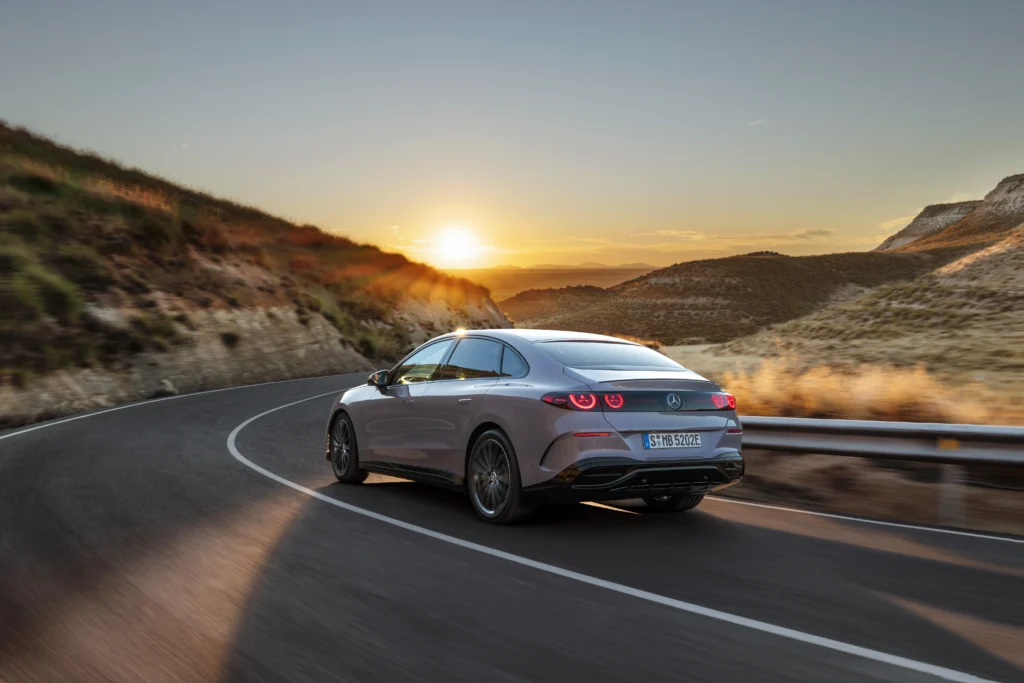
C-Class moves into electric territory
The obvious comparison is with the BMW i4 and the Tesla Model 3, both of which already define the mid-size electric saloon space in very different ways. The BMW leans on familiarity and driving feel, while the Tesla focuses on software and simplicity.
This C-Class does not fully commit to either philosophy. Instead, it appears to sit somewhere in between, aiming to feel like a proper electric Mercedes while still holding onto the calm, composed identity that has defined the model for years.
That balance shows up in the way Mercedes is describing the chassis. Features like air suspension and rear axle steering suggest the car is being engineered to feel stable and refined first, rather than aggressively sporty.
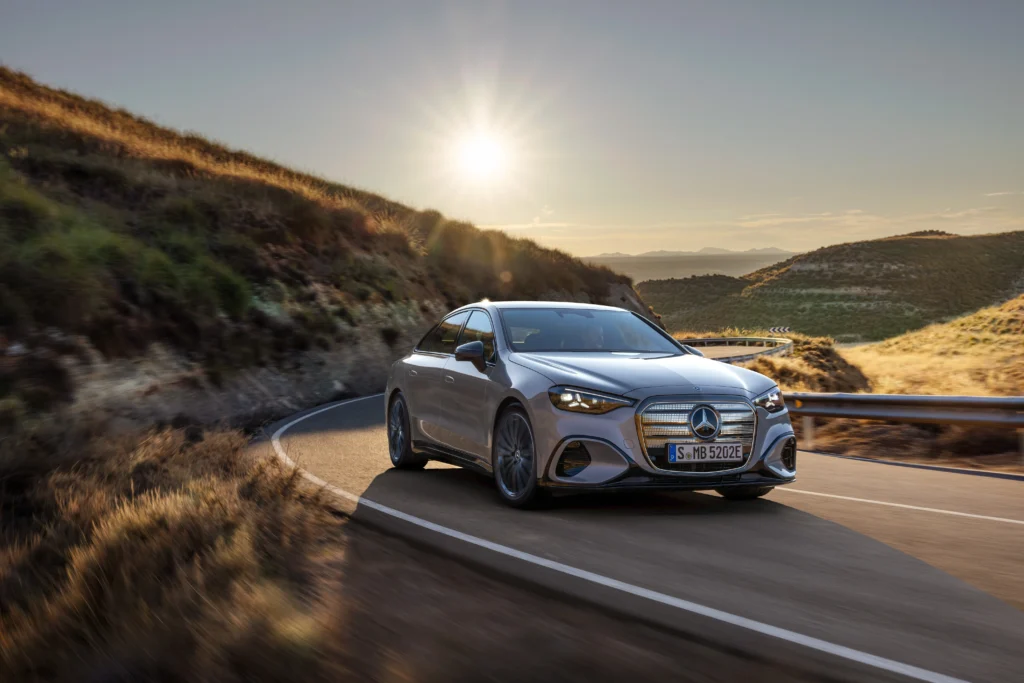
It is a familiar approach, but applied to a completely different platform. That alone hints at how carefully Mercedes is trying to manage the transition from combustion to electric without alienating existing buyers.
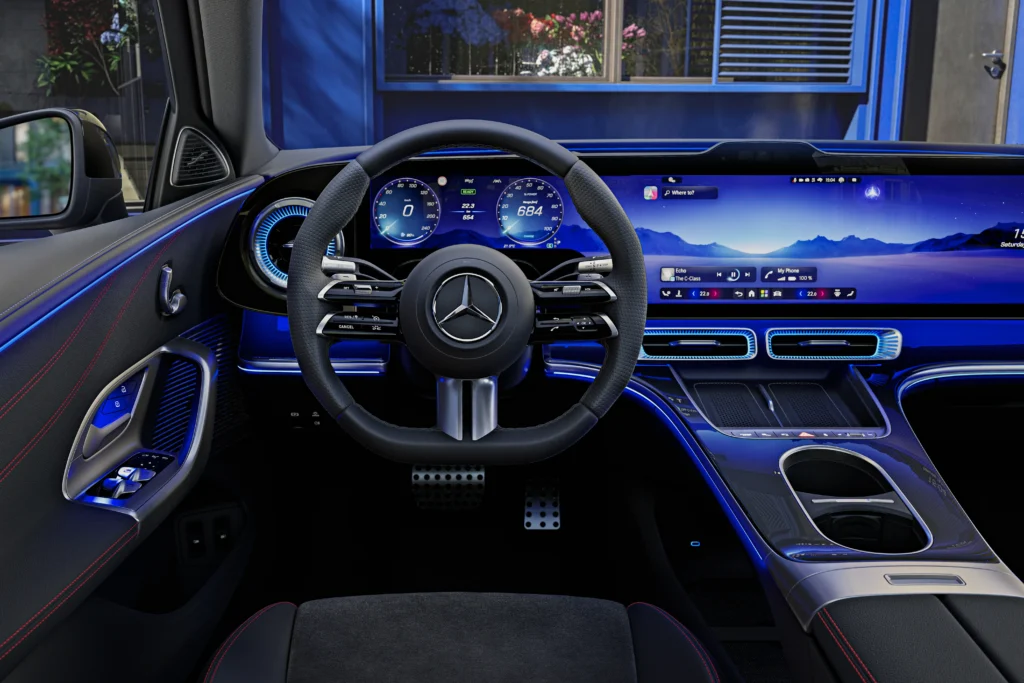
Inside, the Hyperscreen dominates the conversation. It stretches across the dashboard as a single, continuous display, turning the interior into something that feels closer to a piece of high-end consumer tech than a traditional cabin.
The system runs on a new software platform that allows over-the-air updates, which means the car can evolve after it leaves the factory. That is now expected in an electric Mercedes, but it marks a clear departure from how the C-Class used to be defined by fixed hardware.
There is also a noticeable focus on comfort. Mercedes continues to position the C-Class as a place to relax, with features like rapid cabin heating, massaging seats, and a strong emphasis on acoustic isolation.
The electric Mercedes strategy
The more revealing part of this announcement sits beneath the surface. Mercedes is placing a clear emphasis on battery range, and not just as a marketing headline.
The engineering decisions point toward a broader strategy aimed at making electric cars easier to live with. That means focusing on efficiency, consistency, and usability rather than chasing isolated performance figures.
Systems like advanced energy recuperation and a multi-source heat pump are designed to improve real-world range, particularly in less favourable conditions. It is the kind of detail that does not immediately stand out, but becomes important over time.
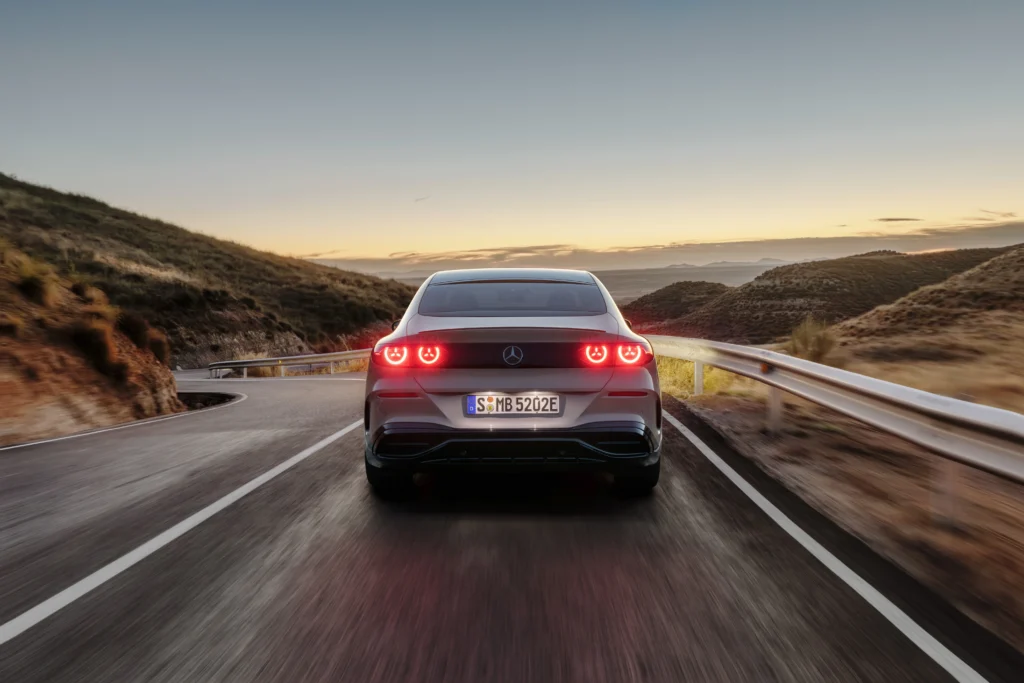
At the same time, software is becoming a central part of the ownership experience. The platform underpinning the Hyperscreen allows for updates that can add features or refine systems long after the car has been delivered.
For a brand like Mercedes, that represents a meaningful shift. It suggests the company is moving toward a model where its cars are expected to change and improve throughout their lifespan.
Ola Källenius, Chairman of the Board of Management at Mercedes-Benz, has described this as the most capable and sportiest C-Class yet. It is a confident statement, but one that reflects how important this model is to the brand’s broader strategy.
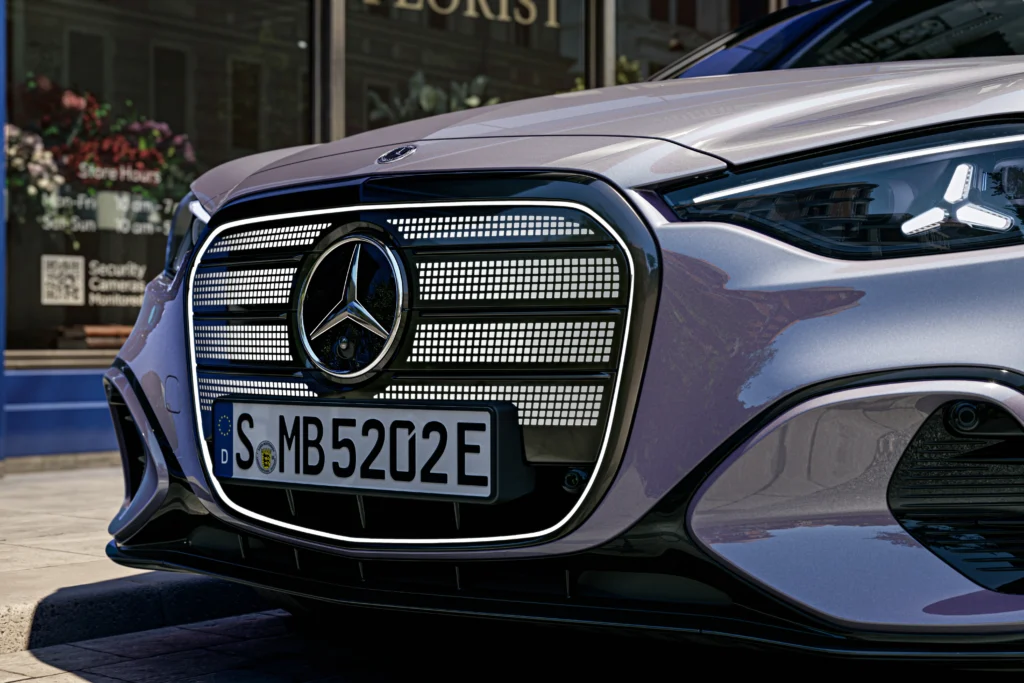
What stands out more than the claim itself is how the car is being positioned. Rather than focusing on extremes, Mercedes appears to be building a car that aims to perform consistently across a wide range of scenarios.
That approach becomes clearer toward the end of the announcement. The headline figure is a WLTP battery range of up to 762 kilometres, paired with the ability to add up to 325 kilometres of range in around 10 minutes under optimal conditions.
Those numbers place the C-Class in a very different position within its segment. They suggest that range, which has long been one of the main compromises of electric cars, is becoming less of a limiting factor.
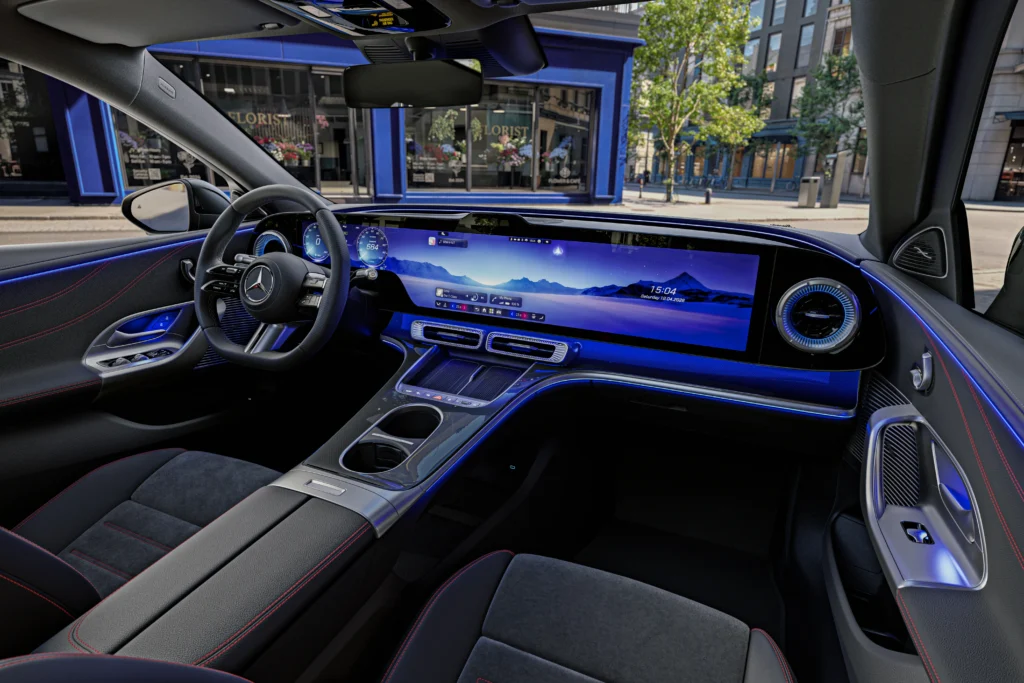
It also explains why Mercedes has taken a relatively restrained approach elsewhere. If the car can deliver that level of usability, it does not need to rely on dramatic design or exaggerated claims to stand out.
This is still an industry reveal rather than a real-world verdict. But based on what has been presented, the C-Class looks less like a cautious step into electrification and more like a calculated move to reset expectations.
If it delivers on those claims, it will not need to shout. It will simply do what the C-Class has always done, which is quietly set the standard while others try to catch up.
latest Stories
 Read full story

Join Our Community
Stay up to date with our latest stories, fresh insights, and special updates. Subscribe to receive carefully selected content delivered straight to your inbox.