


Electric Cars Can Now Travel 400 Miles, So Why Does Range Anxiety Still Exist?

Callum Tokody
Author of the post
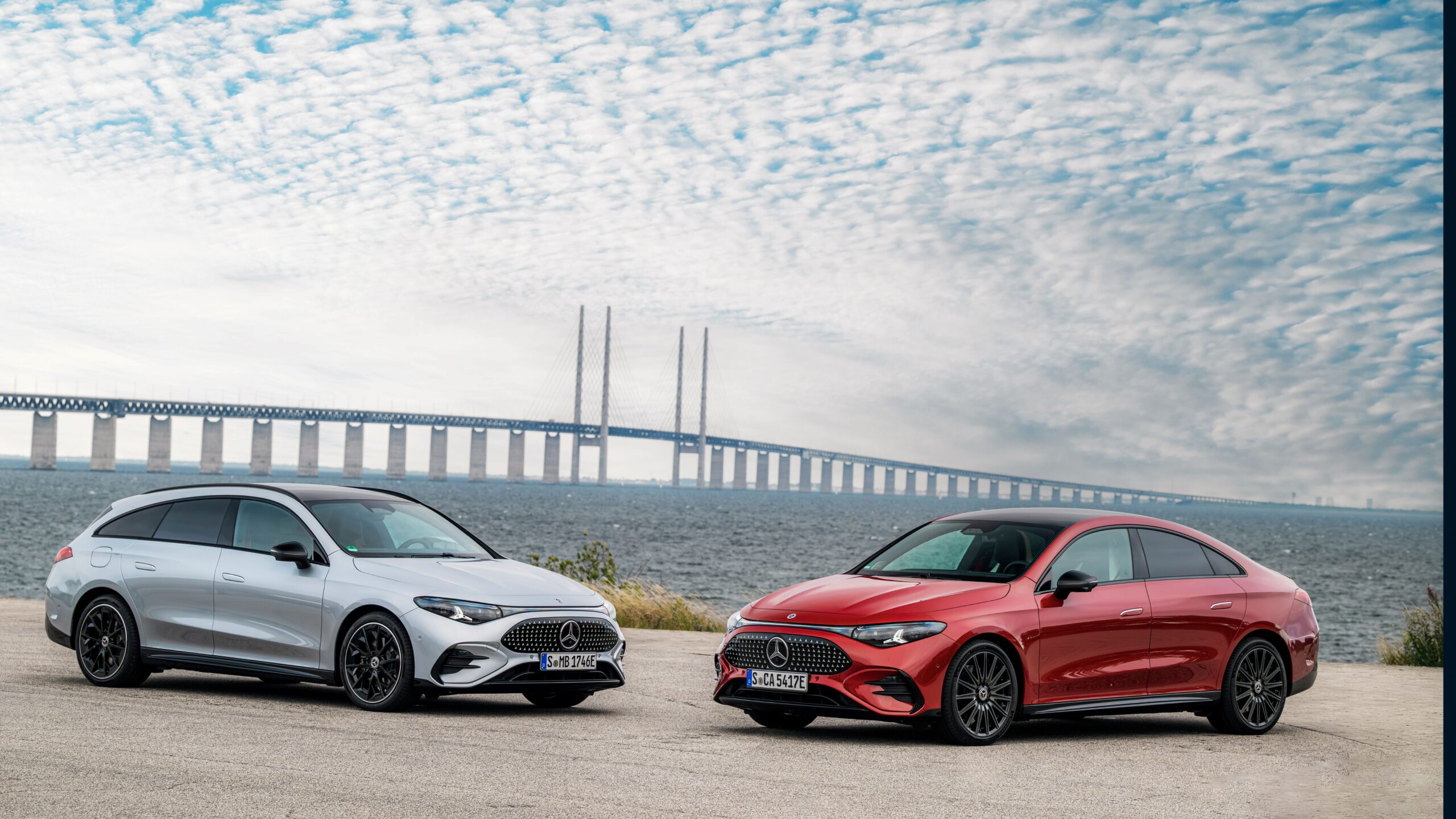
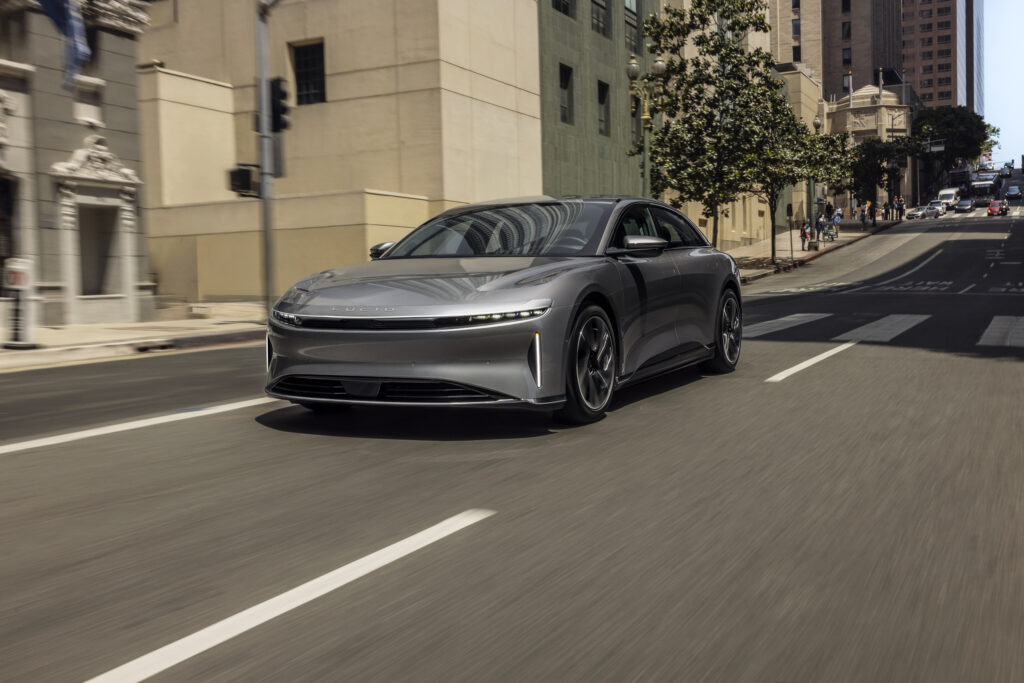
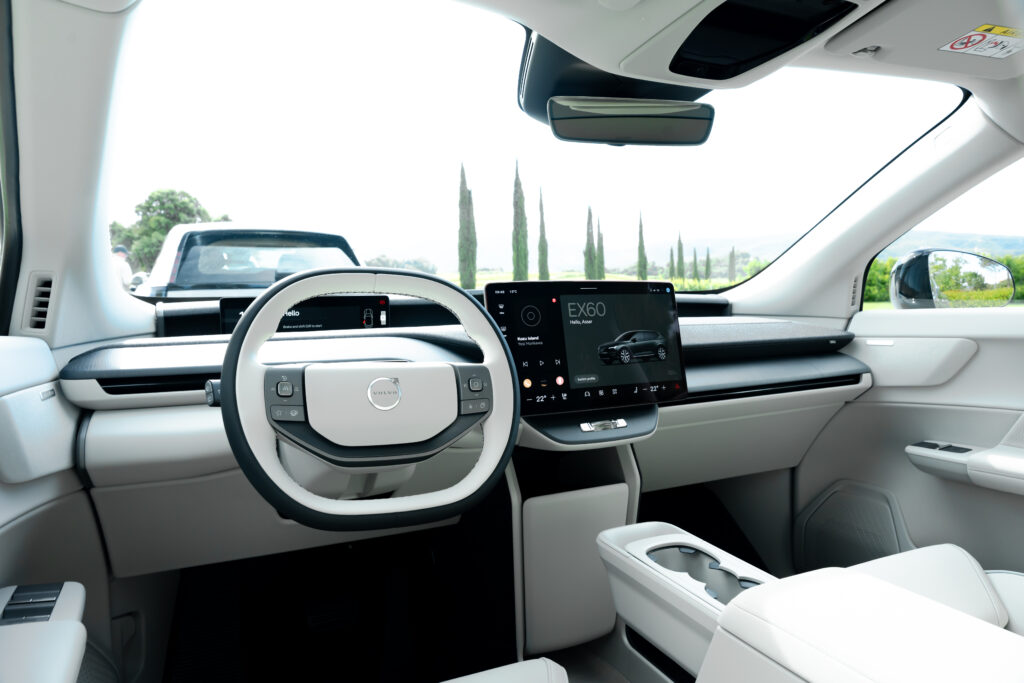
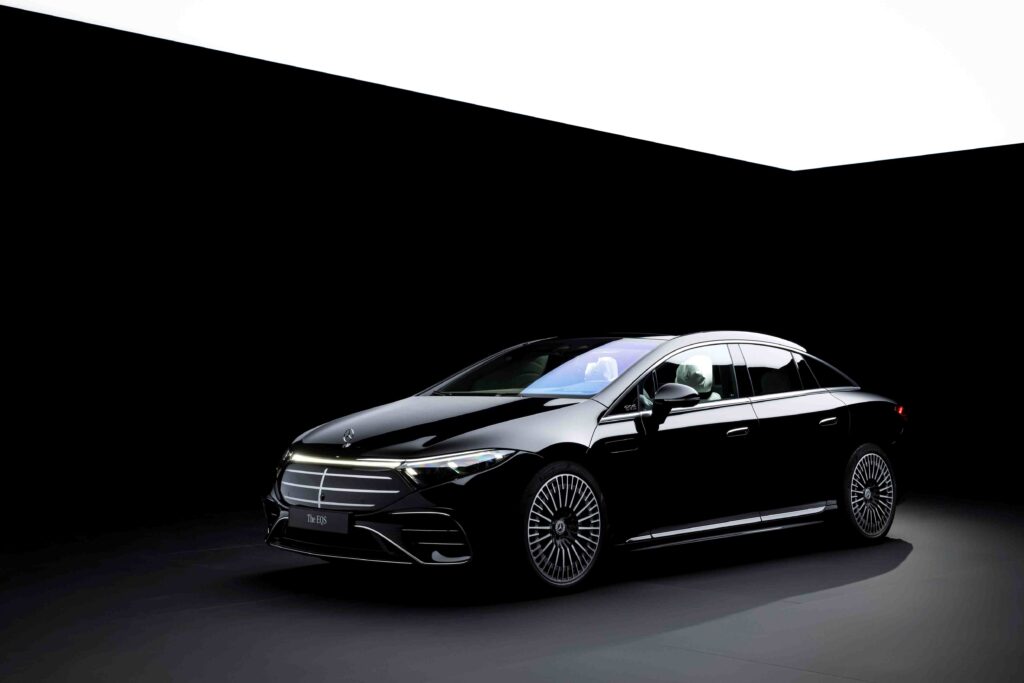
There was a time when an electric car capable of travelling 400 miles on a single charge sounded like something manufacturers would promise at a motor show, only to quietly forget about several years later. Today, the Lucid Air Grand Touring offers an EPA-rated 512 miles (824km), while cars such as the Mercedes-Benz EQS and Volvo EX60 make similarly compelling arguments for long-distance electric motoring. The technology has progressed enormously, yet range anxiety remains a genuine concern. I would argue, however, that the anxiety itself has changed. Drivers are becoming less concerned about how far their cars can travel and more concerned about what happens when they eventually need to stop.
Range anxiety has changed, but the problem hasn’t gone away
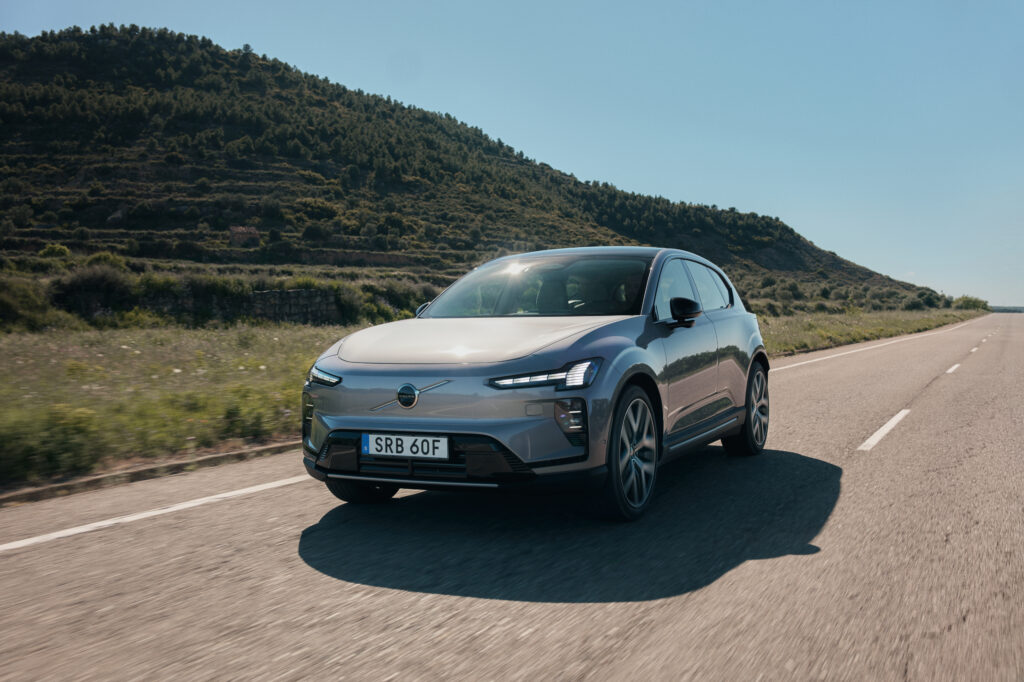
The progress manufacturers have made deserves recognition. Lucid’s Air Grand Touring is an extraordinary example of modern electric engineering, with Car and Driver recording 410 miles (660km) in a continuous 75mph highway test. The Mercedes-Benz EQS offers up to 925km on the WLTP cycle, while Volvo’s new EX60 promises up to 810km under the same standard. Although these figures are calculated using different testing procedures, they demonstrate just how seriously manufacturers have taken the challenge of making EVs suitable for longer journeys.
Frankly, I think we’ve reached a point where range itself is becoming a considerably less convincing argument against electric cars. The problem now is whether drivers can rely on the infrastructure waiting for them when they need to recharge. I can count several occasions when I’ve arrived at a public charging station to discover that the equipment is broken, out of service or simply refusing to cooperate. It’s an experience that makes an otherwise straightforward journey unnecessarily frustrating, particularly when the nearest alternative is several miles away.
Consider the equivalent situation in a petrol or diesel car. When was the last time you arrived at a service station to discover that every fuel pump was out of action? It happens, certainly, but it’s hardly something most motorists actively consider before setting off. With an electric car, that uncertainty can become an unavoidable part of planning a journey, especially through regional areas where charging locations are fewer and further between.
Charging speeds have also improved considerably. The Volvo EX60 can replenish its battery from 10 to 80 per cent in as little as 16 minutes under ideal conditions, while the latest EQS can recover substantial range in approximately 10 minutes. These are impressive achievements, but I do wonder whether the industry occasionally overlooks just how accustomed motorists have become to the convenience of filling up with petrol.
A conventional fuel stop can take five minutes. You pull in, fill the tank, pay, perhaps use the bathroom or grab something to eat, and get back on the road. With an electric car, even a relatively quick charging session can leave you waiting after you’ve finished everything else. Of course, a 15 or 20-minute break on a long journey isn’t unreasonable, and some drivers will welcome it. But there’s a difference between choosing to stop for that long and having the length of your stop dictated by the car.
This becomes considerably more frustrating when the charger is occupied, faulty or delivering less power than advertised. A car capable of travelling 400 miles between stops is undoubtedly impressive, but that achievement starts to feel rather less meaningful when the next charging opportunity introduces another layer of uncertainty. For motorists accustomed to the predictability of petrol stations, it’s an understandable reason to hesitate before making the switch.
The cars are ready, but is the charging network?
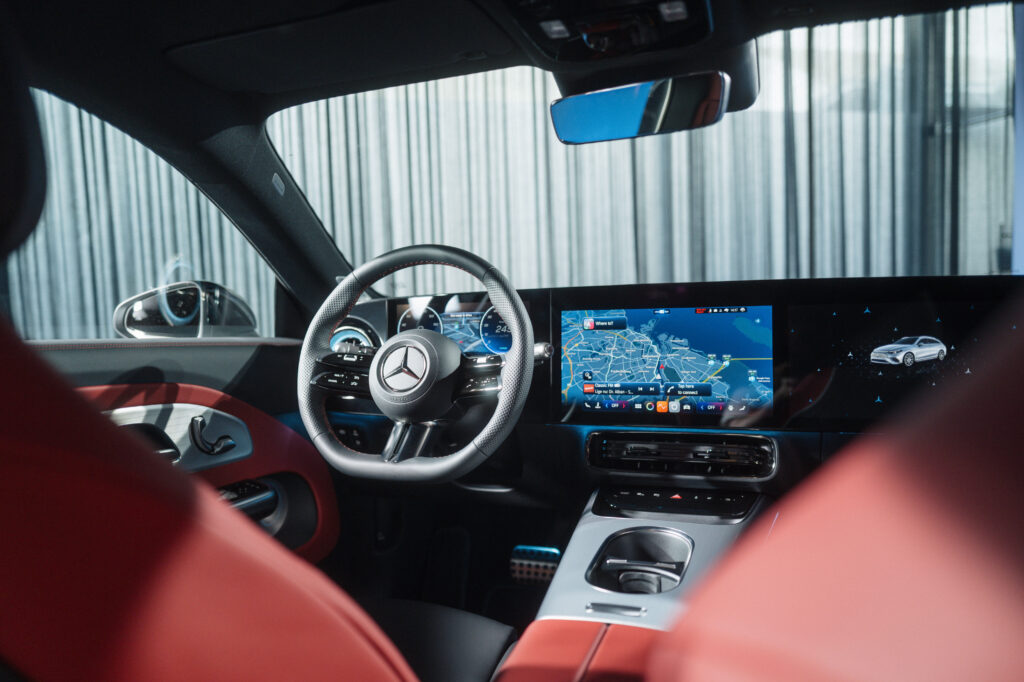
To their credit, manufacturers have developed increasingly sophisticated route-planning systems to make long-distance electric driving easier. Mercedes-Benz’s Electric Intelligence navigation can calculate charging stops along a journey, while Volvo’s integrated navigation systems help drivers locate compatible chargers and manage their remaining range. These systems can even prepare the battery for rapid charging before arrival, making the process considerably more efficient.
In theory, it’s a remarkably straightforward arrangement. Enter a destination, follow the suggested route and allow the car to determine when and where it needs to recharge. Unfortunately, even the most advanced navigation system cannot guarantee that a charger will be operational, available or delivering its advertised power when you arrive. I think this is where the industry’s greatest challenge now lies, because manufacturers can make their vehicles increasingly capable without necessarily improving the infrastructure those vehicles depend upon.
Nor is this an exclusively Australian problem. Drivers in the United Kingdom and United States face similar considerations, particularly in regional areas where charging alternatives can be limited. High-speed charging networks are expanding, and some providers have established considerably better reputations for reliability than others, but the experience remains inconsistent enough to influence how drivers plan their journeys.
For someone living in a city with access to home charging, much of this uncertainty may be inconsequential. Charge overnight, wake up with a full battery and rarely think about public infrastructure. Apartment residents, regional motorists and people regularly travelling between cities have a different relationship with the charging network, and for them, reliability can matter considerably more than another 100 miles of theoretical range.
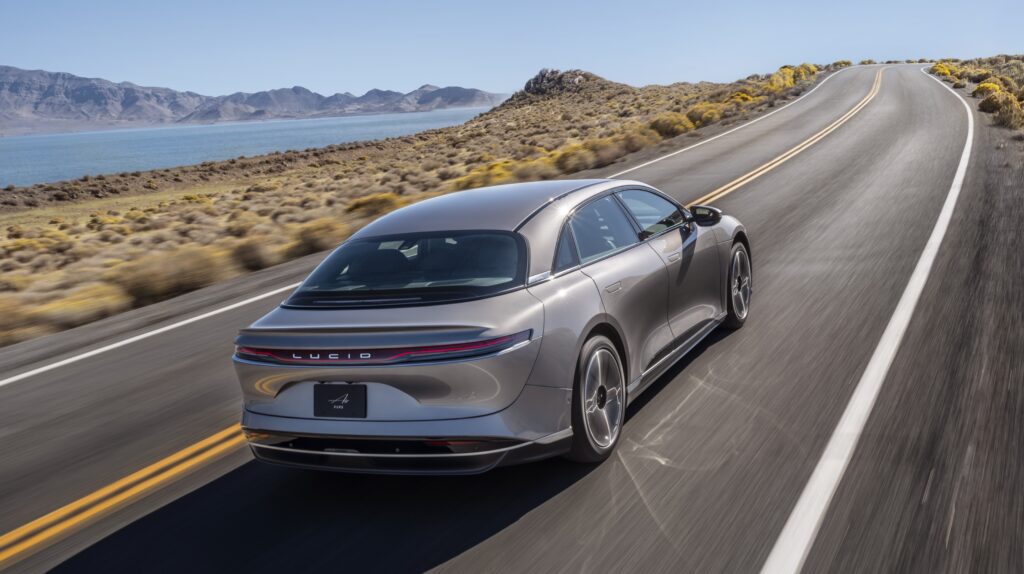
It raises an interesting question about whether manufacturers have already made electric cars good enough to convince more motorists to switch, only for the supporting infrastructure to become the reason some remain reluctant. Personally, I think there’s a strong argument that the vehicles are now ahead of the networks built to support them. The Lucid Air, Mercedes-Benz EQS and Volvo EX60 demonstrate that long-distance electric travel is technically achievable, but a remarkable battery doesn’t necessarily make for a reassuring journey if the next charging stop remains uncertain.
Until public charging becomes as predictable and unremarkable as pulling into a petrol station, I suspect range anxiety will continue to exist in this newer form. The industry has spent years proving that electric cars can travel extraordinary distances, and the next challenge is ensuring drivers can replenish those batteries without having to worry about whether the equipment will work. For now, at least, there’s an increasingly impressive selection of EVs capable of travelling more than 400 miles on a single charge, even if the infrastructure still has some catching up to do.
latest Stories
 Read full story


Join Our Community
Stay up to date with our latest stories, fresh insights, and special updates. Subscribe to receive carefully selected content delivered straight to your inbox.