


Polestar US ban forces electric car brand out of America from 2027

Callum Tokody
Author of the post
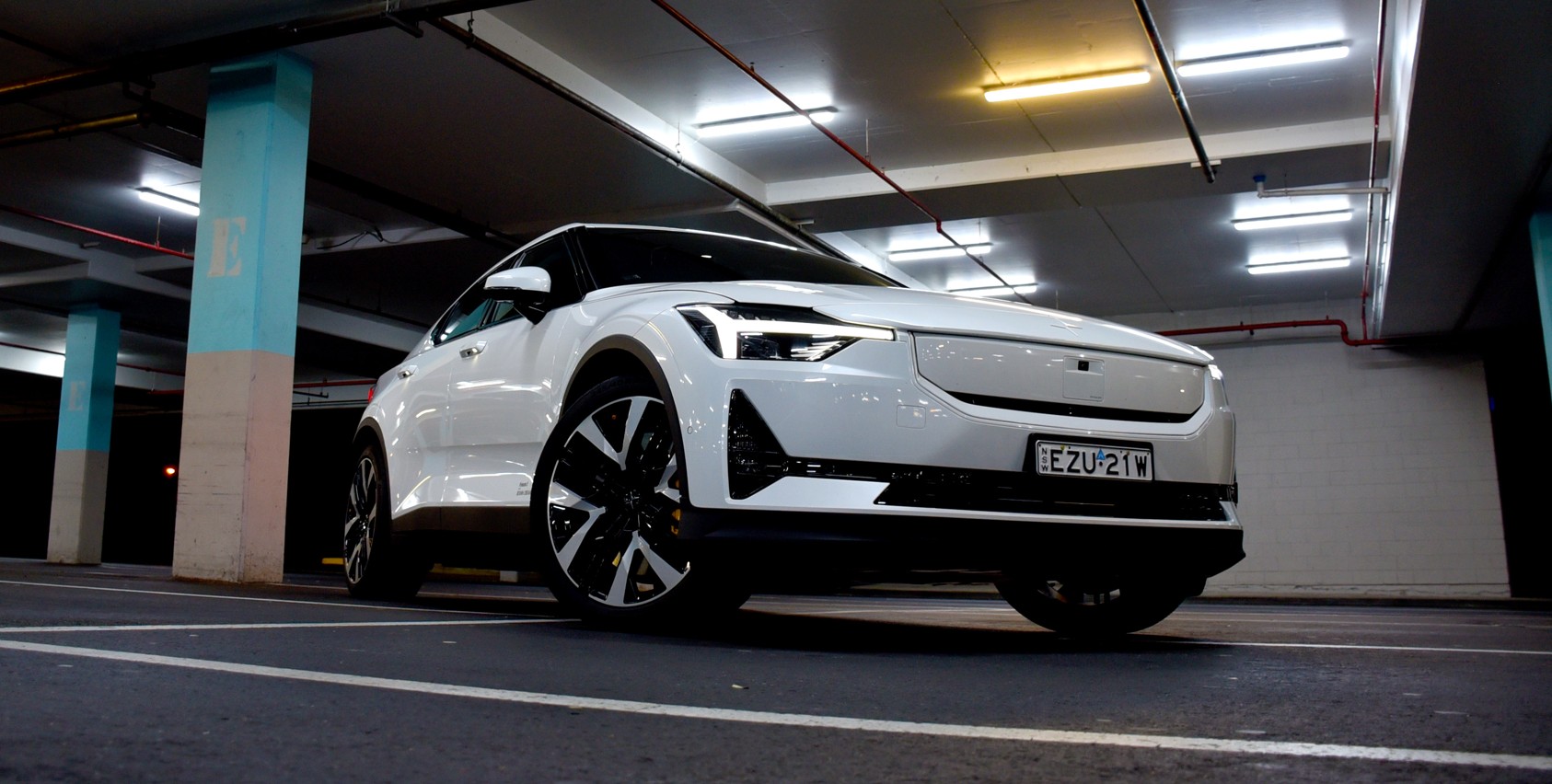
Polestar has been dealt the sort of regulatory blow that no amount of Scandinavian minimalism can disguise. The Polestar US ban means Polestar US sales will end from the 2027 model year under the Connected Vehicle Rule, with the Chinese-owned EV brand now preparing to retreat from one of the world’s most politically charged car markets.
The decision comes from the US Department of Commerce’s Bureau of Industry and Security, which declined to grant Polestar authorisation to continue selling new vehicles under rules targeting connected-car technology linked to China and Russia. In practical terms, the ruling applies even though the Polestar 3 is built in South Carolina, because the regulation is concerned not only with where a car is assembled, but with the corporate and technological links sitting behind it.
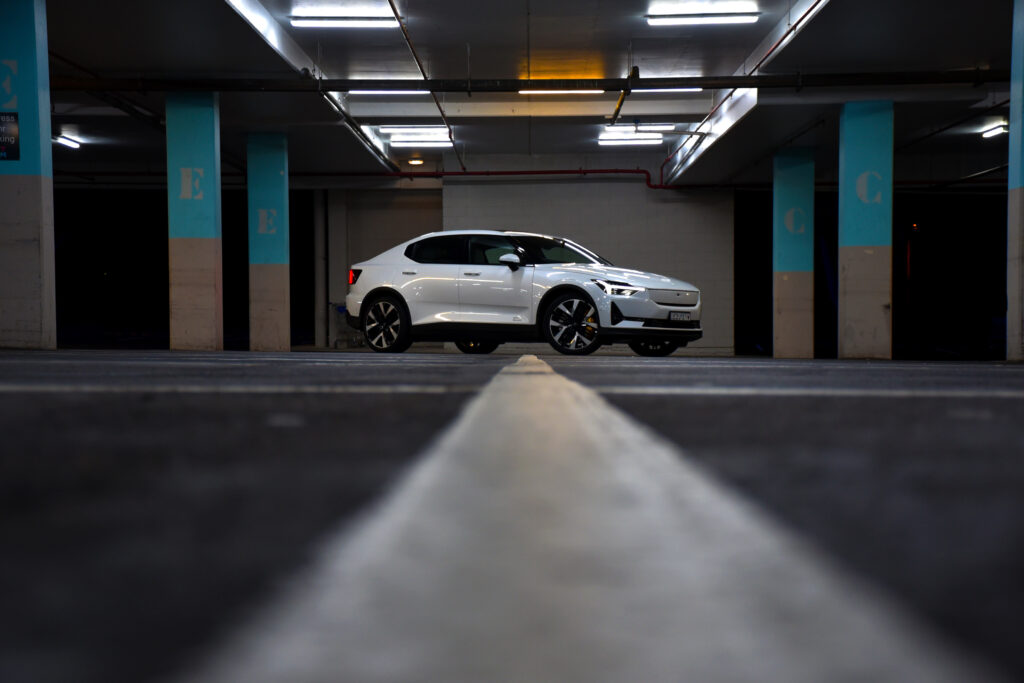
Why the Polestar US ban applies to an American-built car
The Connected Vehicle Rule is designed to restrict software and, later, hardware associated with countries deemed national-security concerns. Washington’s argument is that modern cars are rolling data centres, capable of collecting location information, camera footage and other sensitive data. That may sound faintly paranoid until you remember how much a new car knows about its owner before breakfast.
For Polestar, the timing is especially awkward. The company has been trying to broaden its range beyond the familiar Polestar 2, with the Polestar 3, Polestar 4 and incoming Polestar 5 intended to turn it into something more substantial than a stylish electric side project. The Chinese-owned EV brand will now have to pursue that ambition without new American registrations from the 2027 model year onwards.
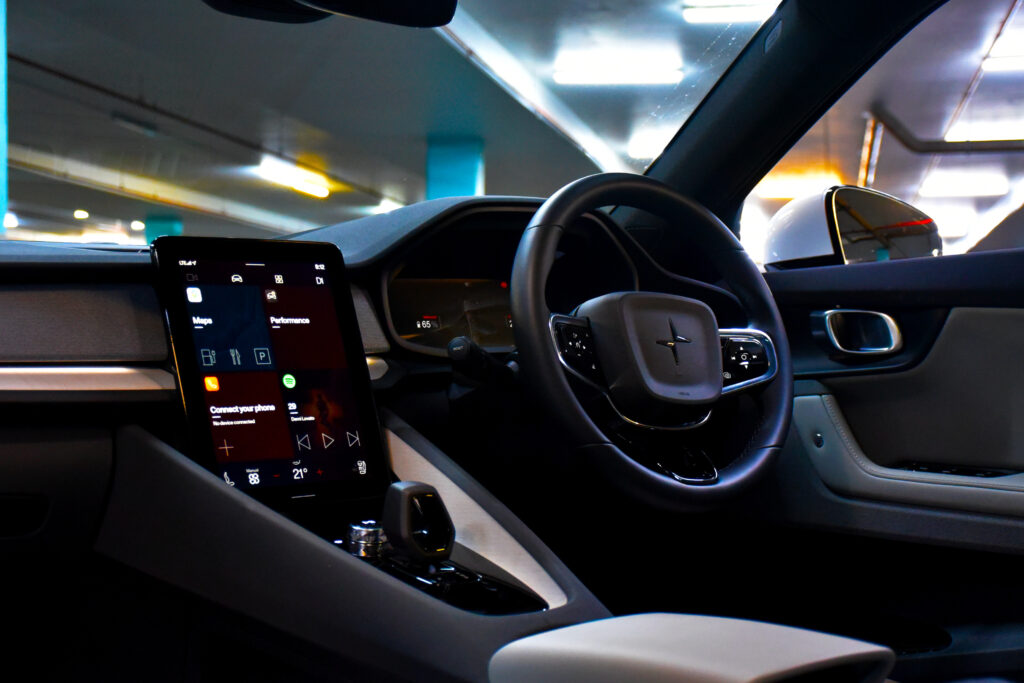
Polestar US sales were never the centre of the company’s universe. The US represented only around six per cent of its retail volume, while Europe remains its largest region. Still, losing access to America is not insignificant, particularly for a company that has spent years presenting itself as global, premium and technologically progressive.
Polestar says it will continue selling existing stock of the Polestar 3 and Polestar 4, while maintaining servicing and support for current owners. That matters, because the Connected Vehicle Rule does not turn existing cars into contraband overnight. It simply closes the door on new-model sales once the 2027 restrictions begin.

America closes while Polestar looks towards Europe
Chief executive Michael Lohscheller has framed the shift as a greater focus on Europe, where the company intends to build the forthcoming Polestar 7. The Chinese-owned EV brand is also targeting growth in Canada, Southeast Asia, Eastern Europe and Latin America, all of which sounds sensible enough, although corporate strategy always reads most confidently after a market has just been removed from it.
The broader question is what the Polestar US ban says about the future of globally interconnected carmakers. Volvo, also controlled by Geely, has reportedly received US authorisation, which makes Polestar’s rejection look less like a simple prohibition on Chinese ownership and more like a warning that every company will be judged on its own structure, software and supply chain.
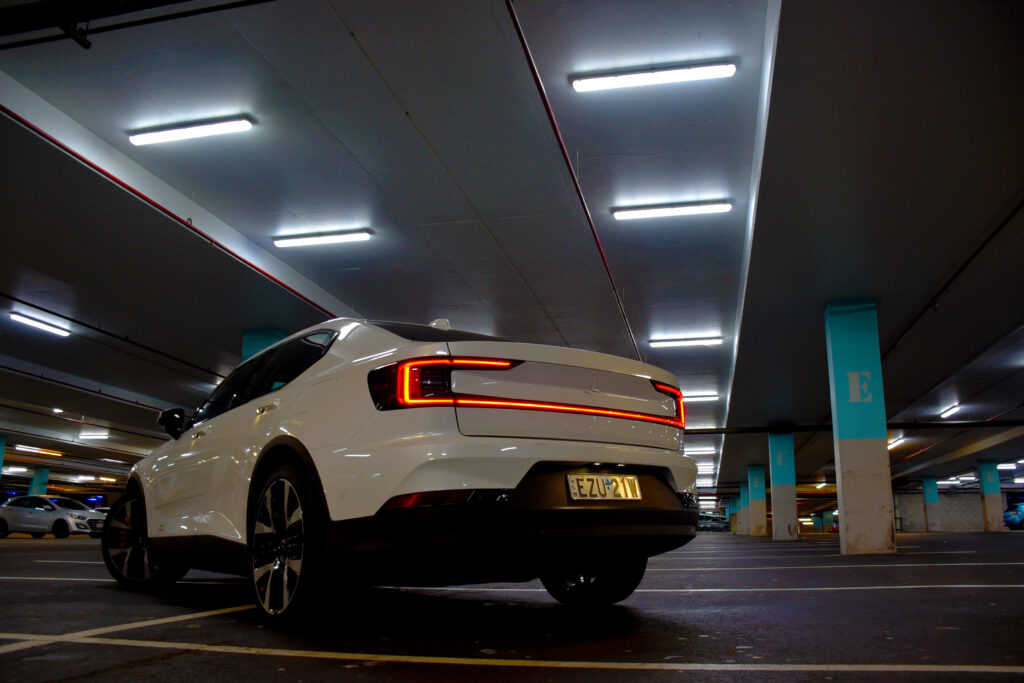
Polestar US sales may have been modest, but this is still a conspicuous defeat. The Connected Vehicle Rule has taken a Swedish-branded, American-built electric SUV and rendered it commercially unacceptable because of the systems and ownership behind it. That is a very modern automotive problem: the badge says one country, the factory another, the parent company a third, and the software has somehow become the border checkpoint.
latest Stories
 Read full story

Join Our Community
Stay up to date with our latest stories, fresh insights, and special updates. Subscribe to receive carefully selected content delivered straight to your inbox.