


Volkswagen T-Roc R returns with 245kW, but its buttons raise old fears

Callum Tokody
Author of the post
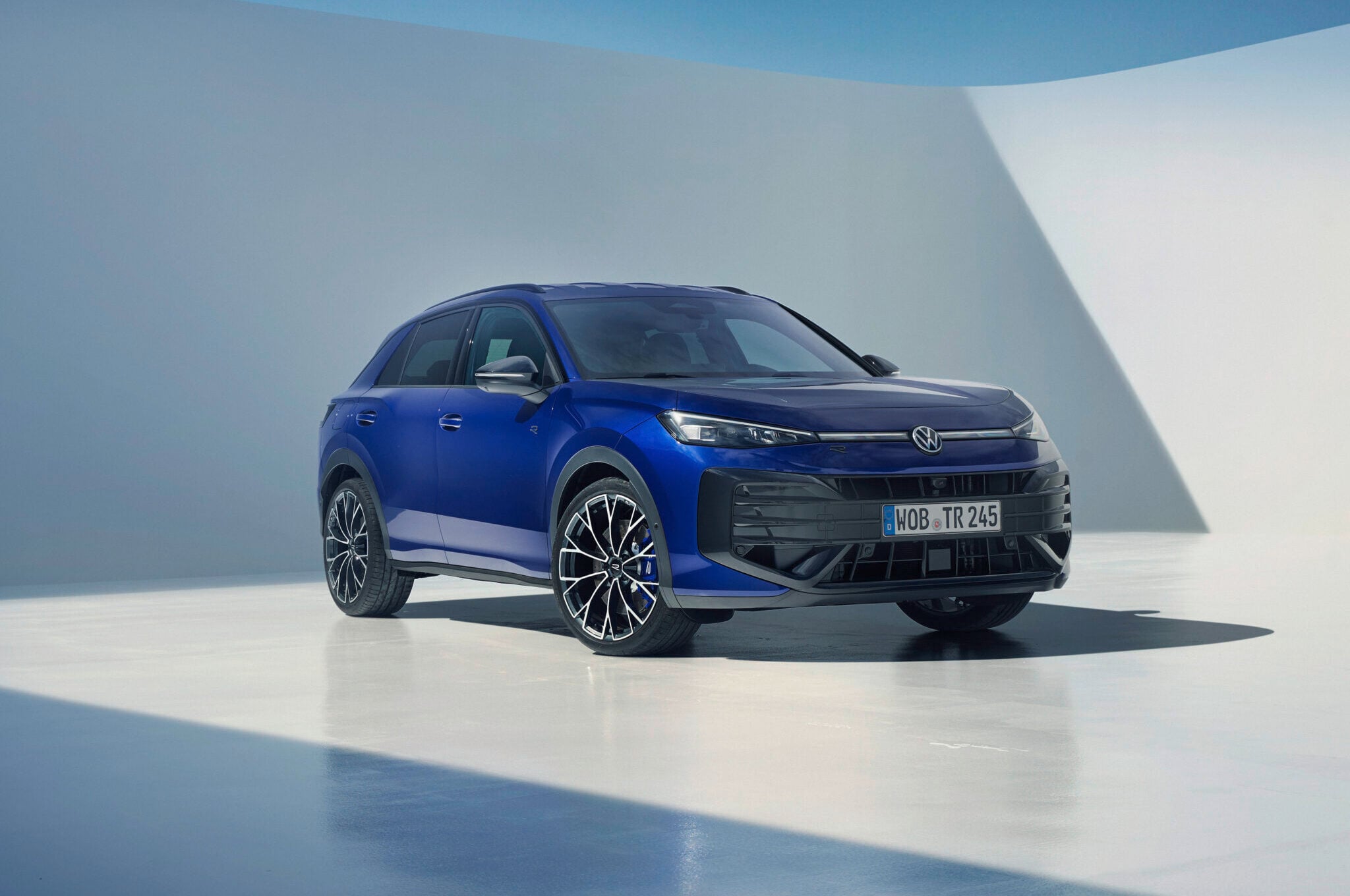
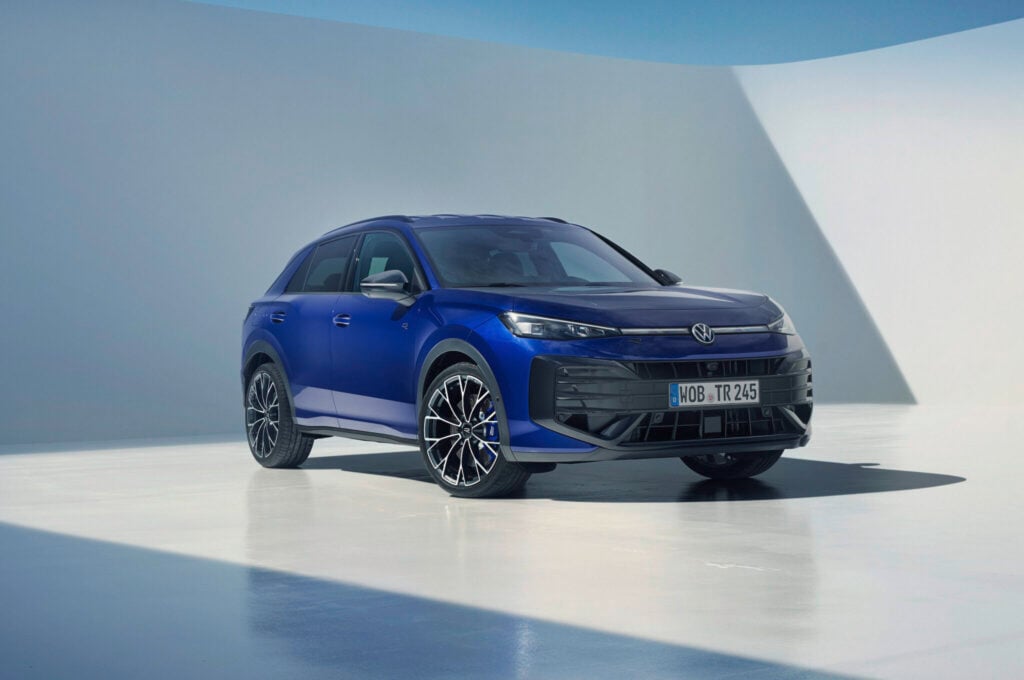
Volkswagen has unveiled the second-generation T-Roc R with 245kW, 420Nm and a chassis package intended to put proper substance behind its compact performance SUV brief. It is quicker, more technically ambitious and, on paper, far more than a Golf R on stilts with a different postcode.
There is one potential snag, though. Early images suggest Volkswagen may have fitted touch-sensitive steering-wheel controls to the new T-Roc R, despite the company spending recent years admitting that this particular idea was a mistake. Volkswagen has not explicitly confirmed the controls are capacitive, so judgement should wait until the production car can be examined properly. Still, the photographs are enough to make anyone familiar with the old setup reach for a small stress ball.
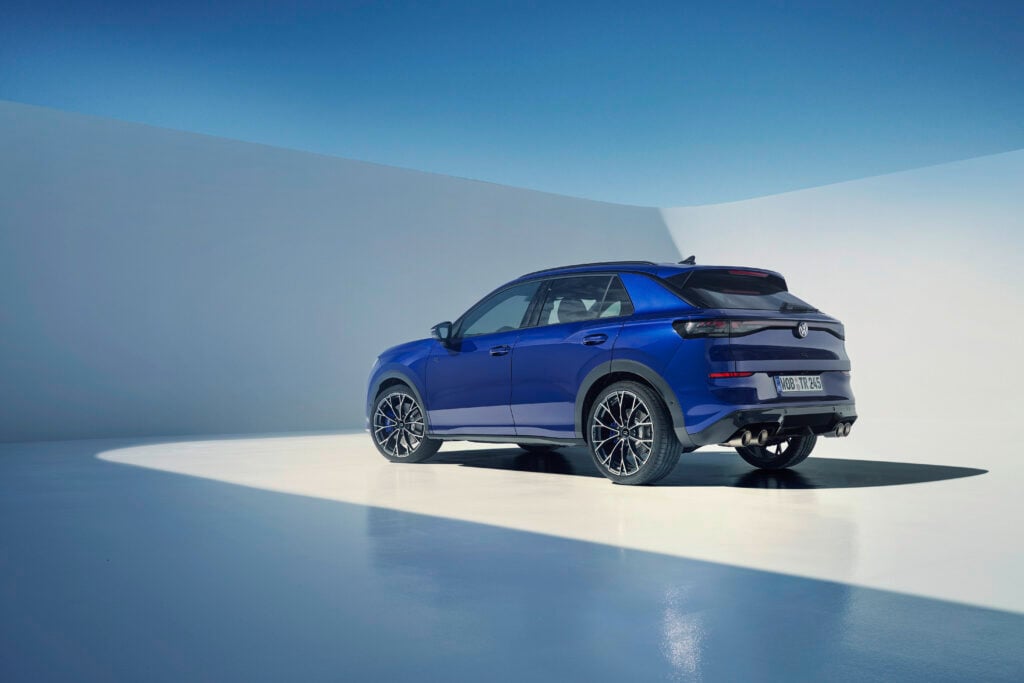
The new T-Roc R uses an updated 2.0-litre turbocharged four-cylinder petrol engine, coupled to a seven-speed dual-clutch transmission and Volkswagen’s 4MOTION all-wheel-drive system. Volkswagen quotes a 0-100km/h time of 5.0 seconds and an electronically limited top speed of 250km/h.
More power, mild-hybrid hardware and a sharper rear axle
Output rises to 245kW and 420Nm, putting the T-Roc R into serious hot-hatch territory despite its taller body. Volkswagen has also introduced 48-volt mild-hybrid technology for the first time in an R model.
The system includes an electrically driven compressor designed to improve response at lower engine speeds. Regenerative braking can recover energy, while the petrol engine can switch off in certain conditions to reduce fuel use. Volkswagen has not supplied consumption figures here, so the real-world benefit remains unclear, but the focus appears to be on response as much as efficiency.
Under the skin, the new model receives Volkswagen’s latest R-Performance torque-vectoring system. It can distribute power between the front and rear axles, as well as independently between the rear wheels. Updated software is intended to improve traction and stability where grip changes across the road surface, which is the sort of situation that tends to expose whether an all-wheel-drive system is clever or merely expensive.
Adaptive DCC sports suspension, progressive steering and R-Performance brakes are standard. Volkswagen also offers Race, Drift and Nürburgring-specific Special driving modes. The latter is calibrated for the Nordschleife, with changes to the suspension and drivetrain settings intended to suit the circuit’s famously uneven surface and high-speed demands.
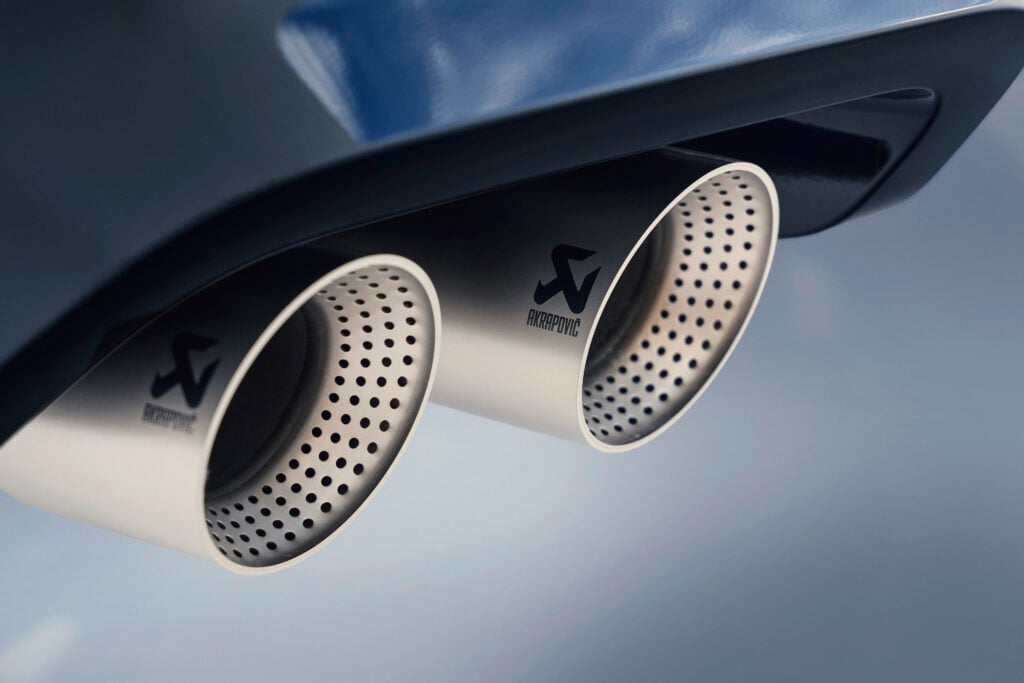
There is a little theatre built in, too. A special start sequence briefly raises engine speed to 3,000rpm, while a quad-exit sports exhaust is fitted as standard. Buyers wanting a louder soundtrack can specify a lightweight titanium Akrapovič exhaust.
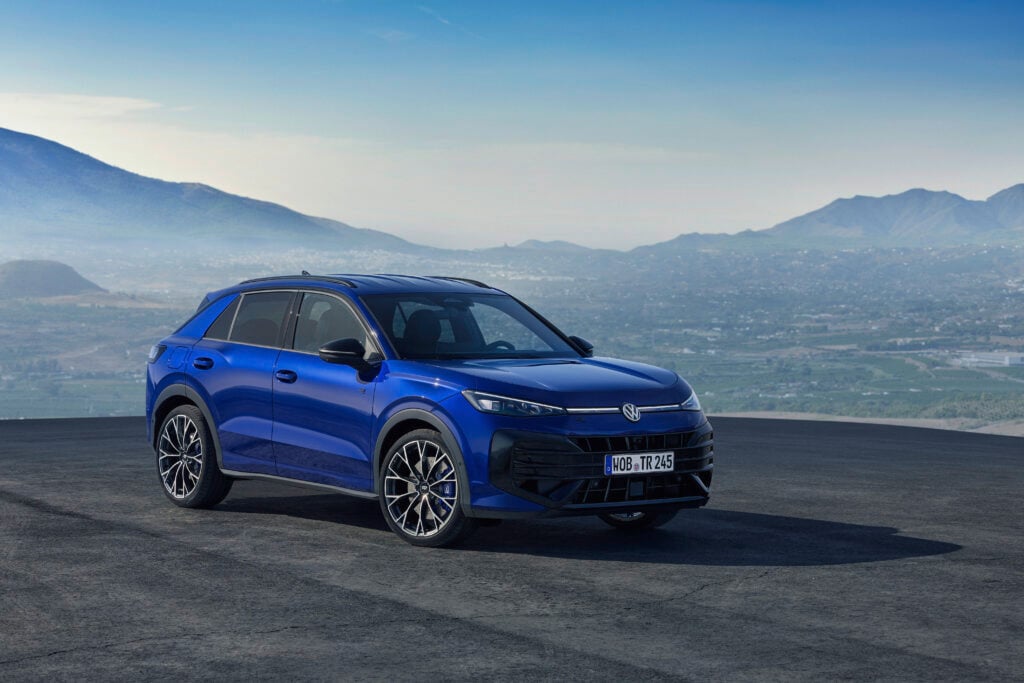
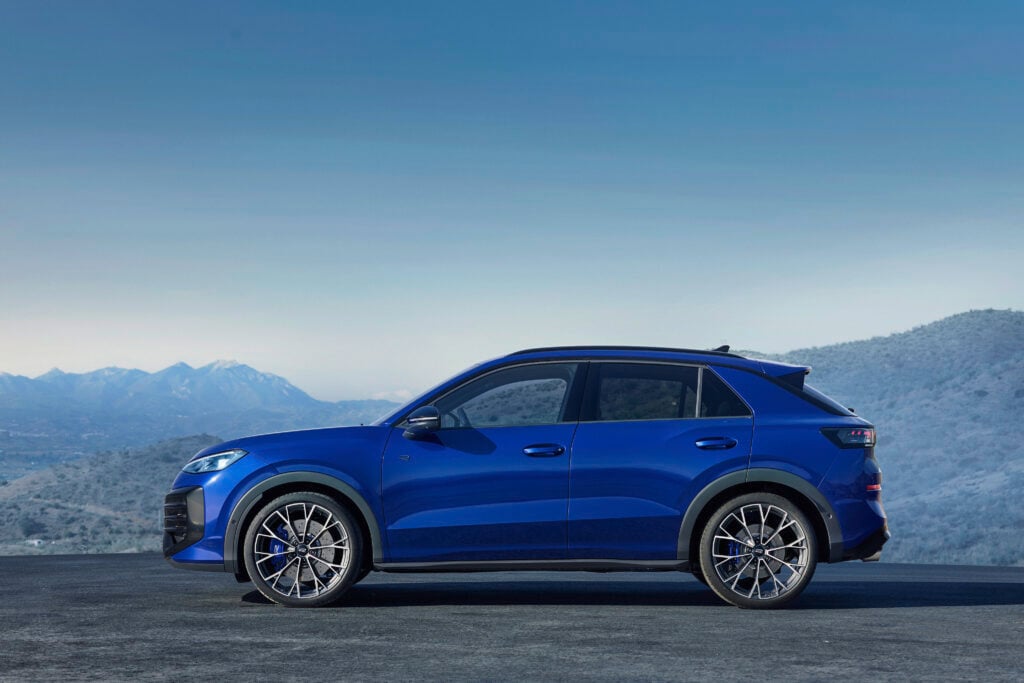
The exterior is more aggressive than the outgoing T-Roc R, with a revised front bumper, redesigned rear diffuser and 19-inch Zandvoort alloy wheels. Optional 20-inch forged Warmenau wheels are also available. Lapiz Blue metallic returns, joined by Canary Yellow, Pure White, Wolf Grey and Grenadilla Black.
The steering-wheel question Volkswagen should not have to answer again
Inside, Volkswagen has fitted sports seats with blue R logos, a revised Digital Cockpit Pro with R-specific displays and a dedicated R button on the steering wheel for quick access to the sportiest settings. The problem is that the same steering wheel appears, from early imagery at least, to use the touch-sensitive controls Volkswagen had been steadily removing elsewhere.
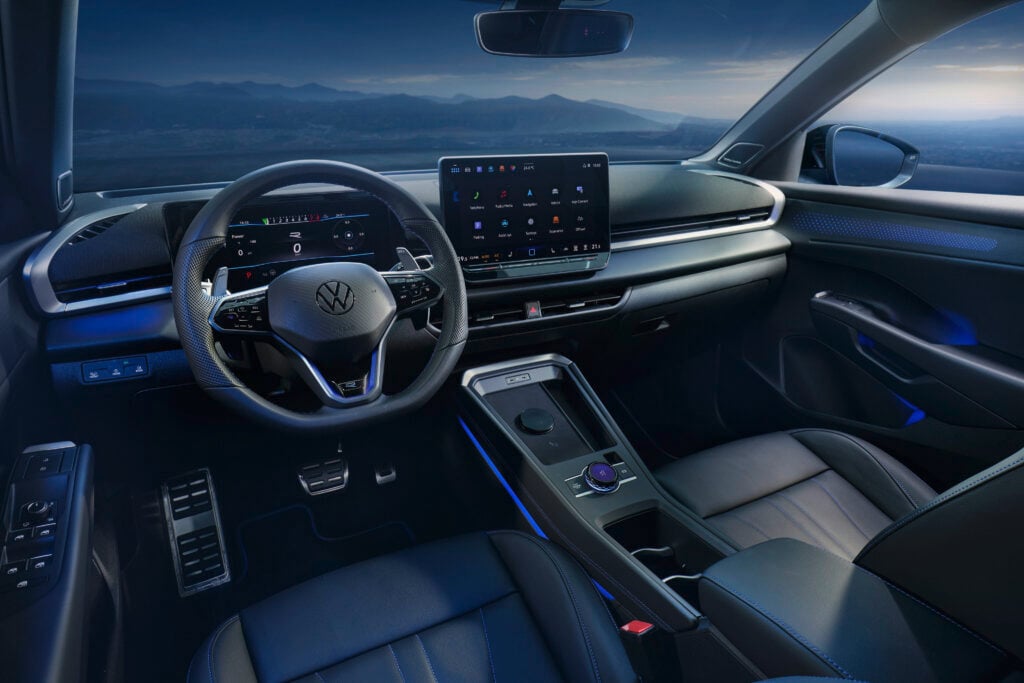
Those controls were used on vehicles including the eighth-generation Golf, ID.4 and previous T-Roc R. They attracted criticism for accidental inputs, excessive sensitivity and limited tactile feedback. A steering-wheel control should be easy to operate without looking away from the road. That is a fairly modest ambition, yet capacitive buttons managed to make changing volume feel like defusing a microwave.
Volkswagen CEO Thomas Schäfer announced a return to physical steering-wheel buttons in 2022, later acknowledging that the previous controls had damaged the brand’s reputation. Volkswagen design boss Andreas Mindt also described the move away from conventional buttons as a mistake.
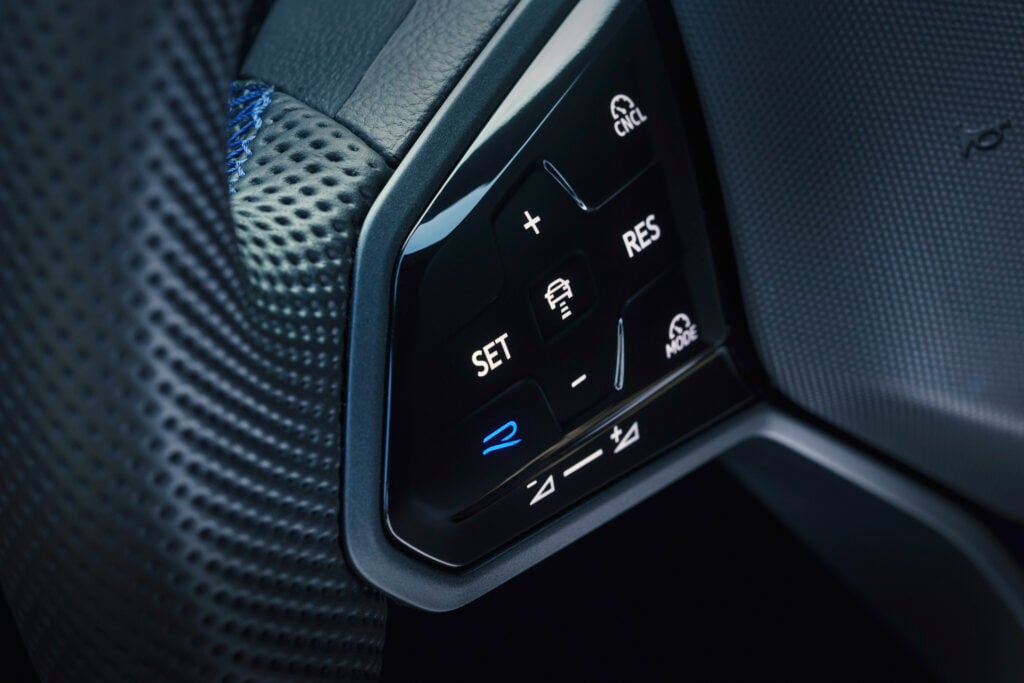
The oddity is that the regular second-generation T-Roc already uses conventional steering-wheel buttons. If the R model has indeed reverted to capacitive controls, it would be a baffling distinction between two versions of the same vehicle, especially when the company has already received the public feedback in unusually clear language.
For now, the interior concern remains unconfirmed rather than proven. Volkswagen may yet clarify the specification, or the images may not tell the whole story. But it is difficult to ignore the possibility when the company has otherwise addressed several complaints aimed at its earlier-generation products.
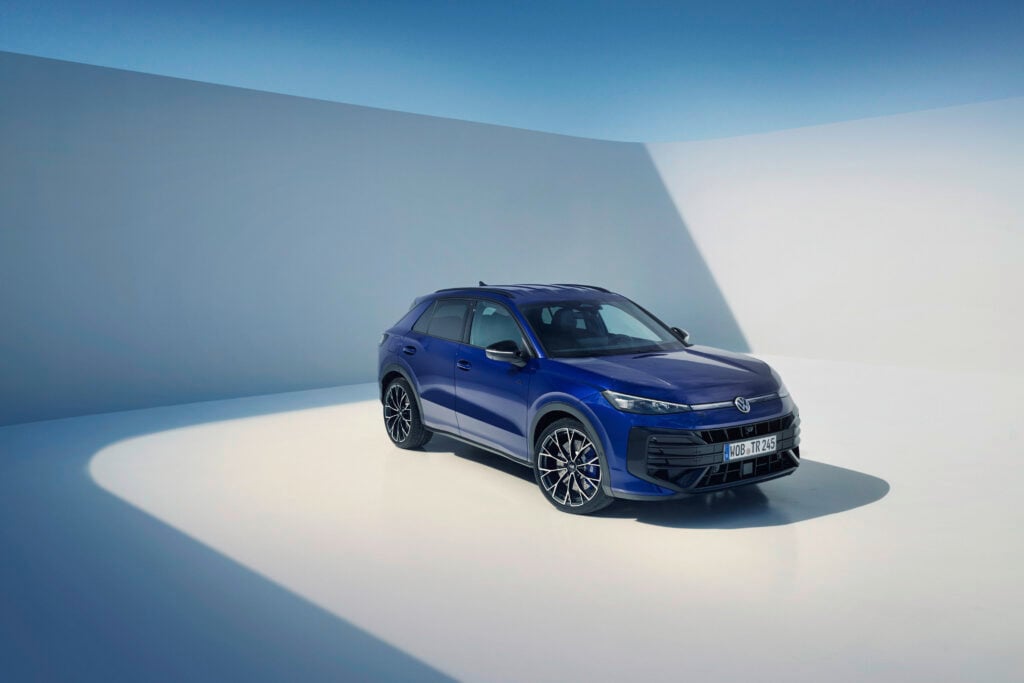
German pricing starts at €59,995. Australian pricing and availability have not been confirmed. The new T-Roc R looks promising on the available information, combining strong power figures with meaningful chassis upgrades and more sophisticated powertrain hardware. Volkswagen only needs to ensure the controls intended to access all that cleverness do not become the part everyone remembers.
latest Stories
 Read full story

Join Our Community
Stay up to date with our latest stories, fresh insights, and special updates. Subscribe to receive carefully selected content delivered straight to your inbox.