


Polestar Formula 2030 points to a lower, sharper Polestar 2

Callum Tokody
Author of the post
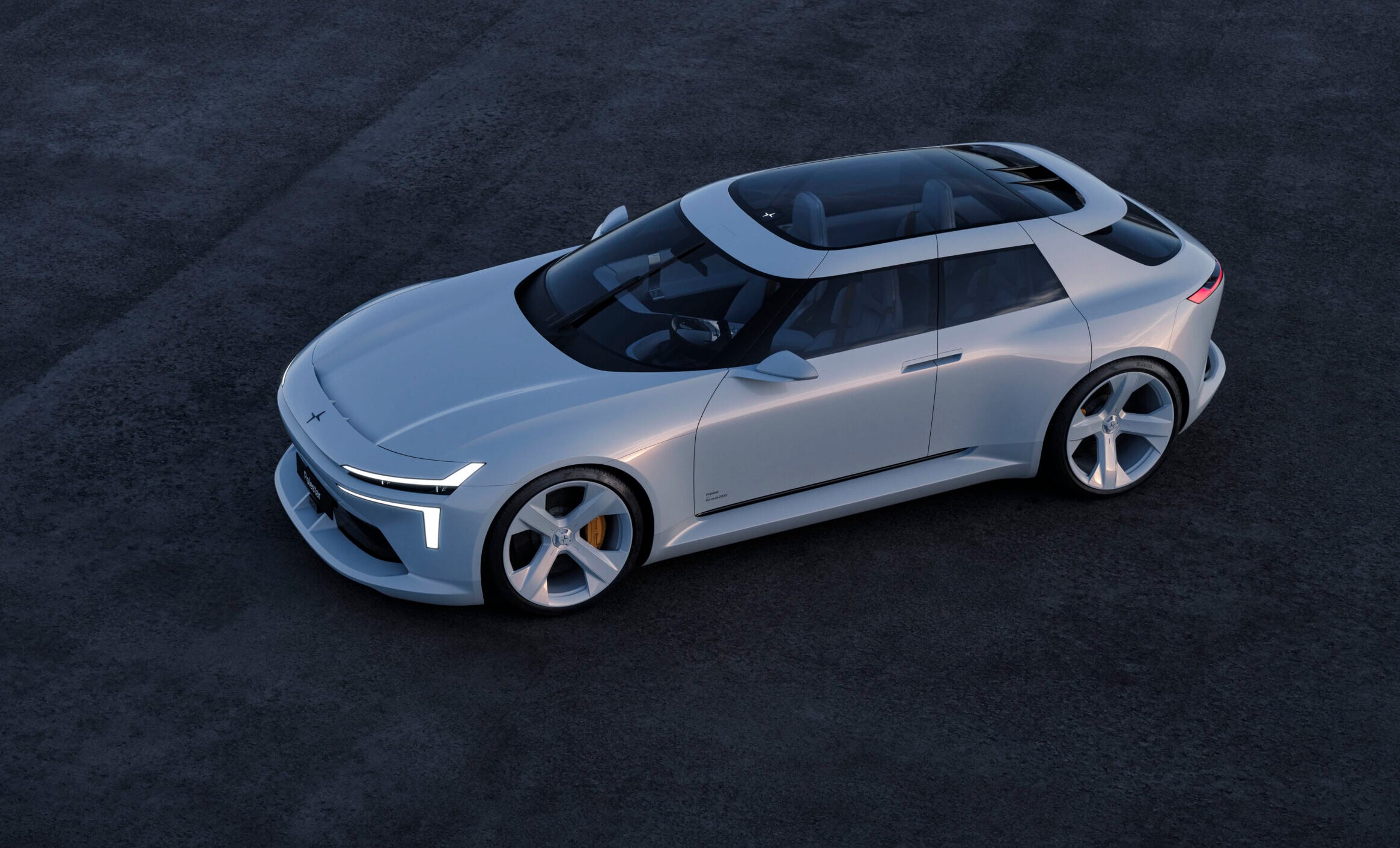
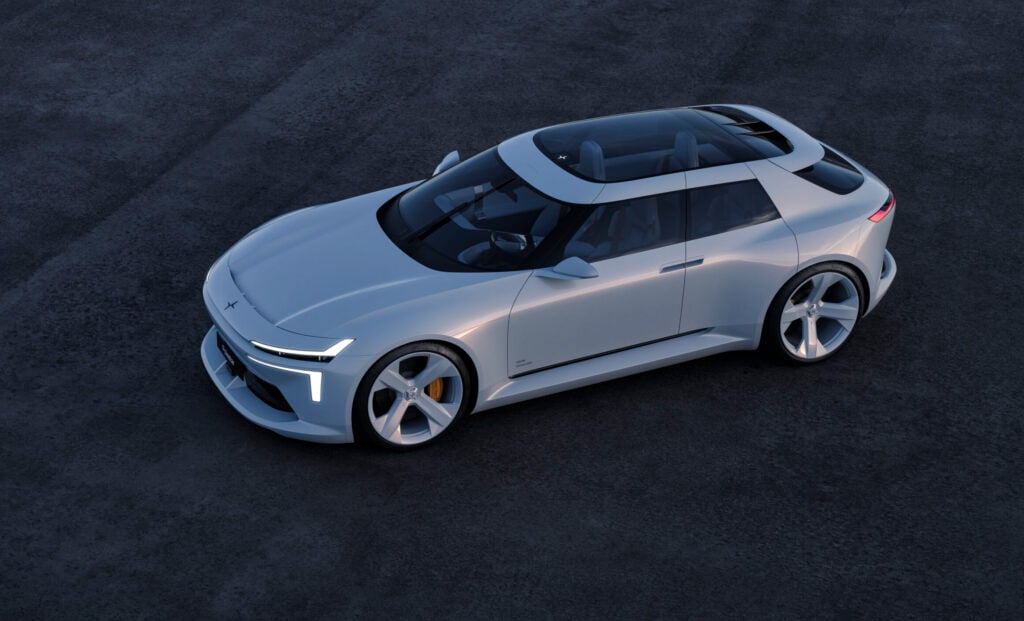
Polestar’s Formula 2030 concept is a low-slung four-door electric sports car with a familiar-looking future in mind. While Polestar has not confirmed a production version of the show car itself, it says elements of its design will reach the next-generation Polestar 2, due in 2027, and the forthcoming Polestar 7 compact SUV.
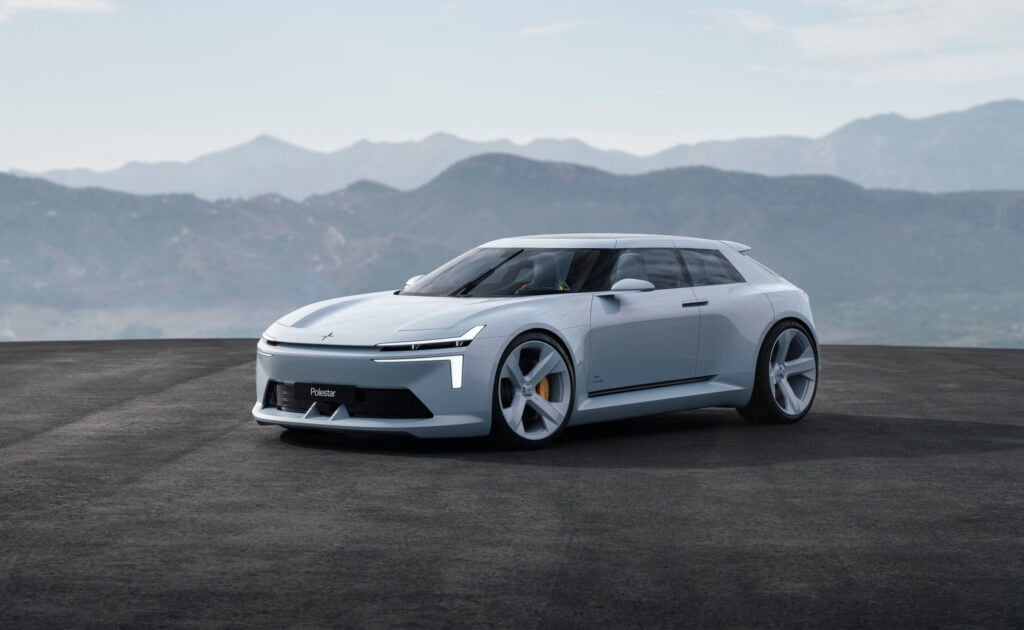
Revealed on 10 November, Formula 2030 is the first concept developed under Polestar design chief Philipp Römers. It offers a fairly direct indication of how the Swedish electric brand wants its next generation of cars to look, while also proposing a more tactile answer to the screen-heavy cabins now common in the sector.
The concept’s proportions are deliberately dramatic. At 4680mm long, 2021mm wide and only 1350mm high, it sits lower than the Polestar 5 grand tourer. Its 2780mm wheelbase, long bonnet, short overhangs and muscular rear haunches give it the stance of a sports car, even if Polestar describes it as practical four-door transport.
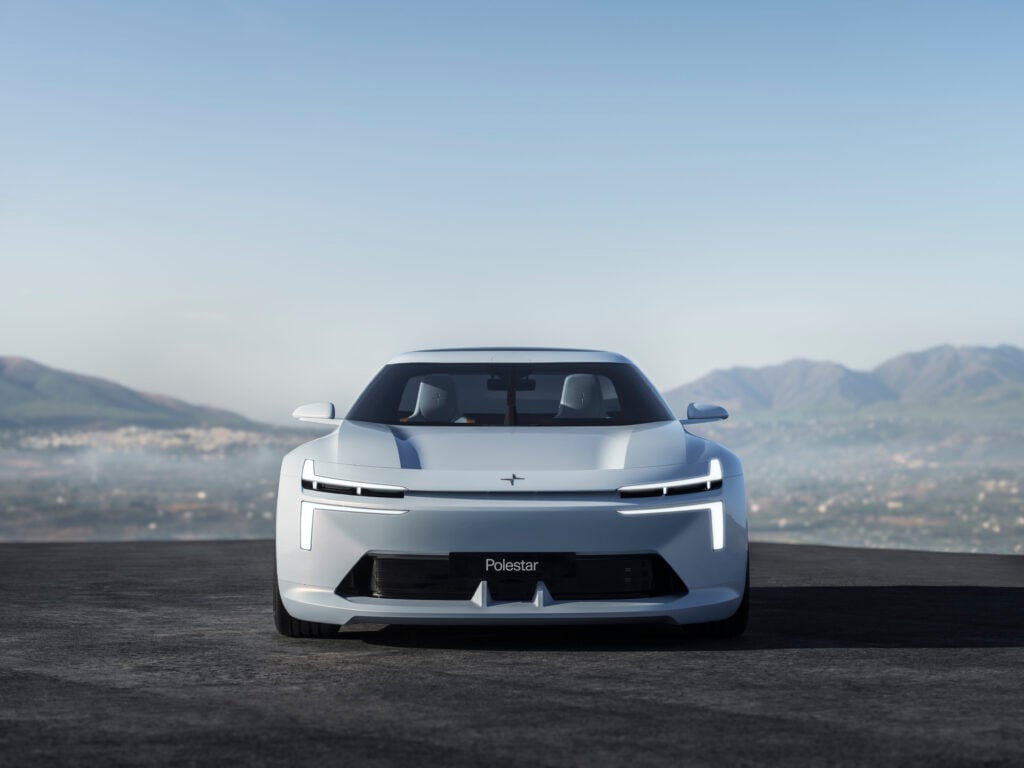
A new Polestar face for the next-generation Polestar 2
At the front, the brand’s Dual Blade headlights are incorporated into an aerodynamic wing, a feature Polestar says will preview the next Polestar 2. The rear replaces the familiar full-width lightbar with a new Single Blade signature, while a centrally mounted rear wing and deep diffuser make the concept’s performance ambitions clear.
A wraparound windscreen nods to the original Polestar 2, although the concept’s single vertical wiper is a more overtly motorsport-inspired flourish. Formula 2030 rides on 22-inch four-spoke centre-lock wheels, with the new Nitrogen exterior finish extending across the body, wheels and aero elements in gloss, matt and satin treatments. Gold brake calipers, seatbelts and cabin details supply the contrast.
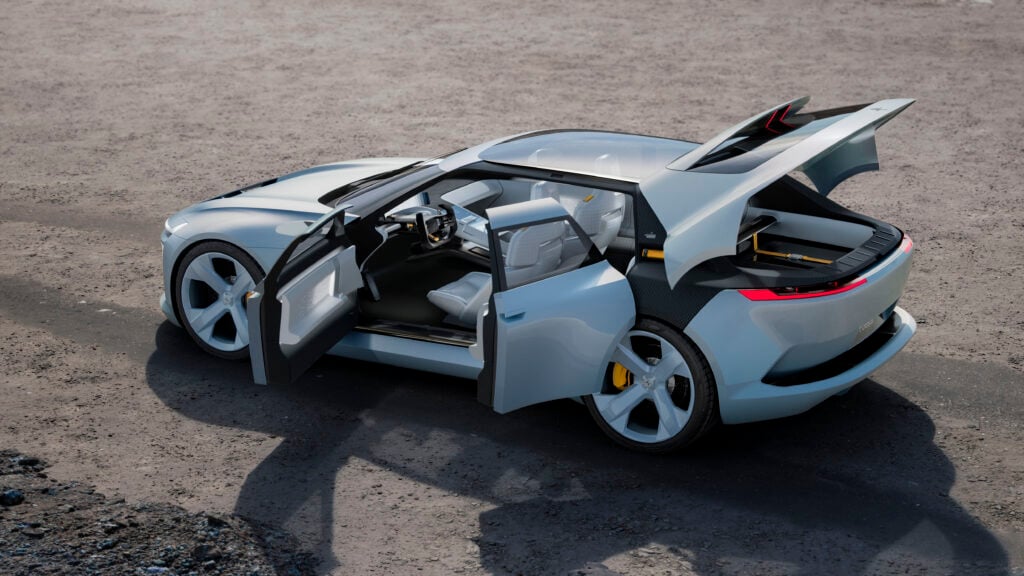
There are no power, battery, range or acceleration figures, which makes this a design and interface statement rather than a preview of Polestar’s future performance specifications. Exposed Öhlins dampers can be seen beneath the rear clamshell, however, alongside natural-fibre composite body structures. The front luggage area even includes spaces for helmets and a fire extinguisher, should the concept’s circuit-ready mood require further explanation.
Customisable switches challenge the touchscreen orthodoxy
The most useful idea may be inside. Below the 12.2-inch central touchscreen is a bank of eight controls that can be customised physically and digitally. Owners could choose hardware including rocker switches and rotary controllers, then assign functions and shortcuts to suit their preferences.
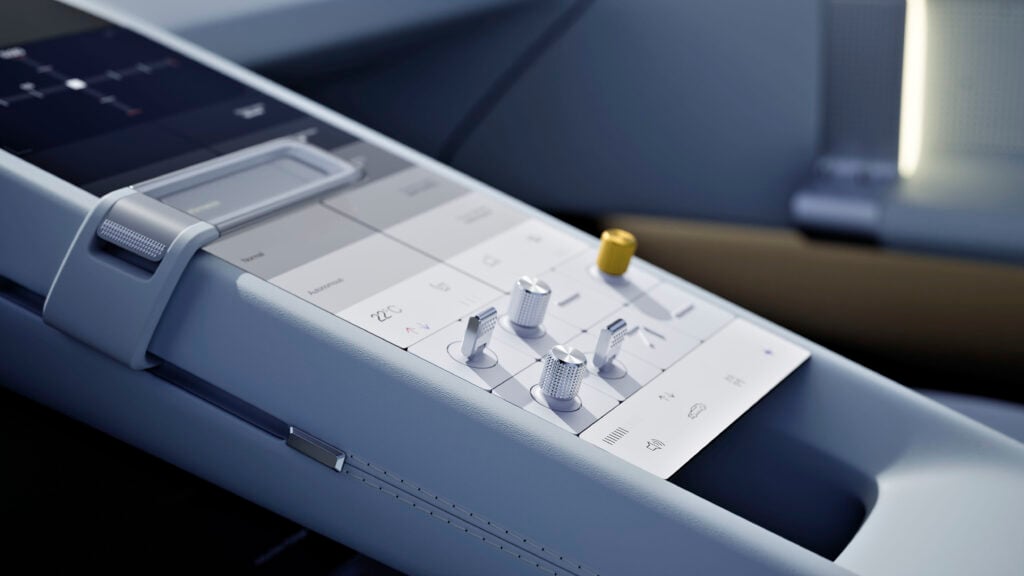
It is a notably more tactile proposal than simply adding another display or menu layer. The industry has spent much of the past decade removing buttons in the name of visual cleanliness, often at the expense of ease of use. Polestar’s concept suggests there may still be room for physical controls, provided they can adapt to different drivers and uses.
The driver also faces a curved 20-inch HyperDIM instrument display mounted directly to the steering column, allowing it to move with the wheel. Driving modes alter the cabin layout: in Performance mode, the central screen lowers flush with the console while the wheel and display move closer to the driver.
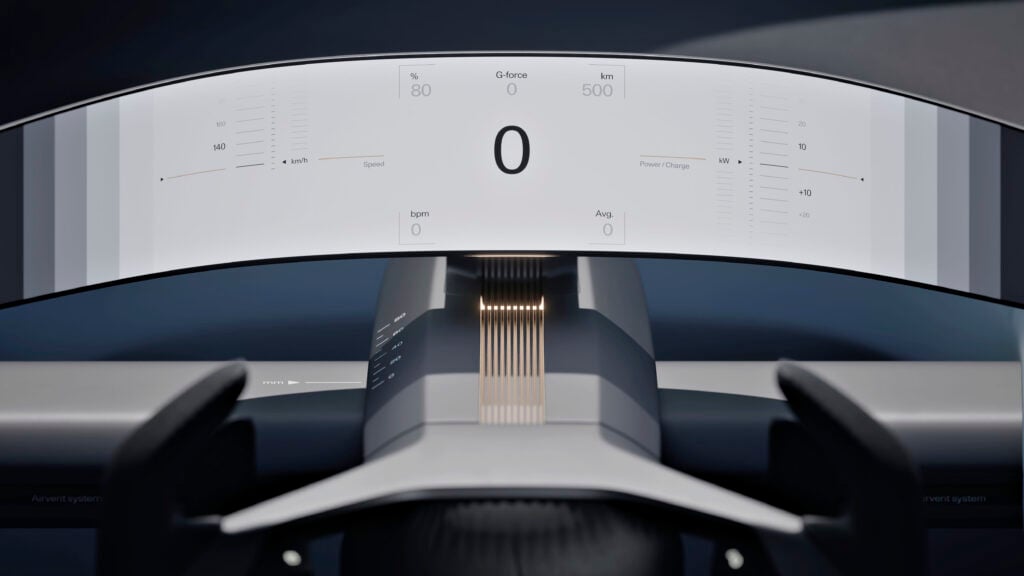
Formula 2030 also has an Autonomous mode, in which the screen rises and the seat and steering wheel move apart for a more relaxed position. A concealed LiDAR unit emerges from beneath an aerodynamic cover when this mode is in use. Polestar presents these as concept features, rather than confirming any future production capability.
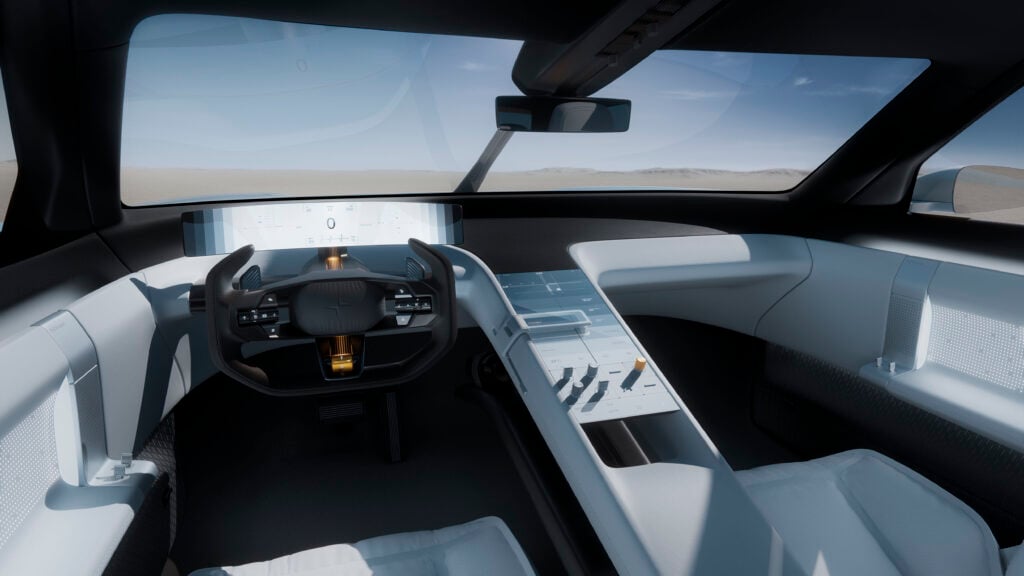
Elsewhere, opposing pillarless doors open onto four individual seats with inflatable cushions and bolsters intended to adapt to their occupants. Exposed structural steel, flax and bio-based polypropylene seat-back composites, plus recyclable mono-material door interiors, reinforce Polestar’s interest in materials as much as surface design. The next Polestar 2 will show whether the concept’s low roofline, sharper lighting and properly configurable controls can survive the journey from show stand to showroom.
latest Stories
 Read full story

Join Our Community
Stay up to date with our latest stories, fresh insights, and special updates. Subscribe to receive carefully selected content delivered straight to your inbox.