


CANCELLED: Tesla Cybertruck’s 2027 exit leaves owners facing an awkward future

Callum Tokody
Author of the post

Tesla plans to wind down Cybertruck production around the middle of 2027, ending one of the most conspicuous automotive experiments of the past decade. The immediate reason is reportedly a need for production space at Gigafactory Texas as Tesla increases output of its Cybercab autonomous taxi, but the decision carries rather larger implications for people who have already spent serious money on the stainless-steel pickup.
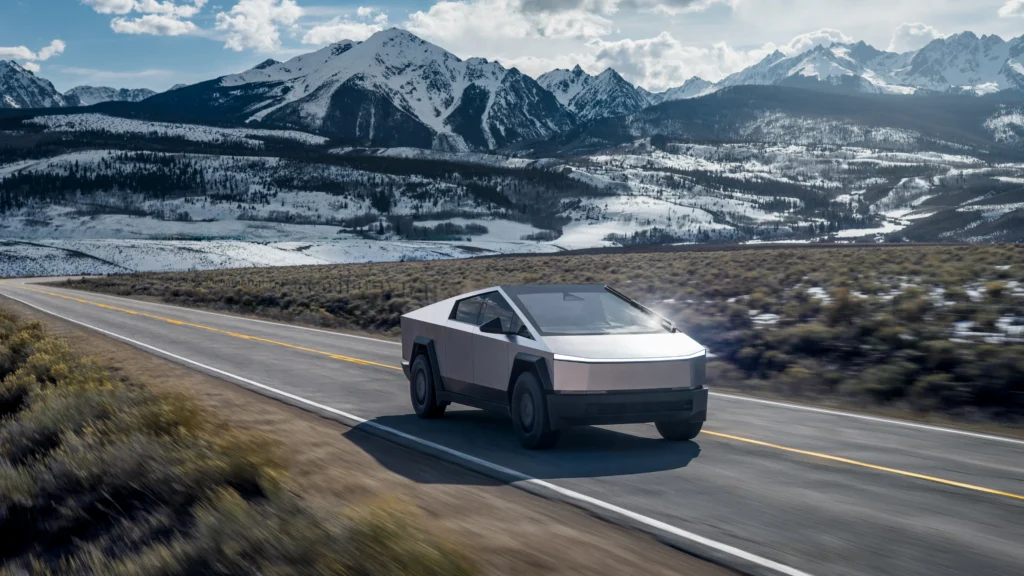
I cannot say I am surprised. The Cybertruck arrived late, cost far more than its original promise suggested and never approached the sales volumes once associated with it. Its design ensured it was impossible to ignore, yet novelty is a poor substitute for a sustainable product plan.
Tesla has not explicitly said the Cybertruck will never be built elsewhere. Still, given its unusual construction, specialised manufacturing requirements and faltering sales, it is difficult to view the planned 2027 wind-down as anything other than the model’s likely conclusion.
Australia’s cancellation looked like an early warning
One of the clearest signs came shortly before the production announcement, when Tesla cancelled plans to bring the Cybertruck to Australia and New Zealand. On 23 October, reservation holders were told their orders would not be fulfilled, despite some having waited almost seven years after placing deposits following the vehicle’s 2019 unveiling.

Tesla offered affected customers refunds and a complimentary year of Full Self-Driving (Supervised) if they bought a Model 3 or Model Y. It is not an especially convincing consolation for buyers who had reserved a futuristic electric ute and waited through repeated delays.
Developing a right-hand-drive Cybertruck and meeting local regulatory requirements would have required substantial work, so abandoning the project made commercial sense if Tesla no longer expected the vehicle to have a long future. In hindsight, the Australian cancellation appears less like a regional product decision and more like an indication that Tesla had lost confidence in the programme itself.
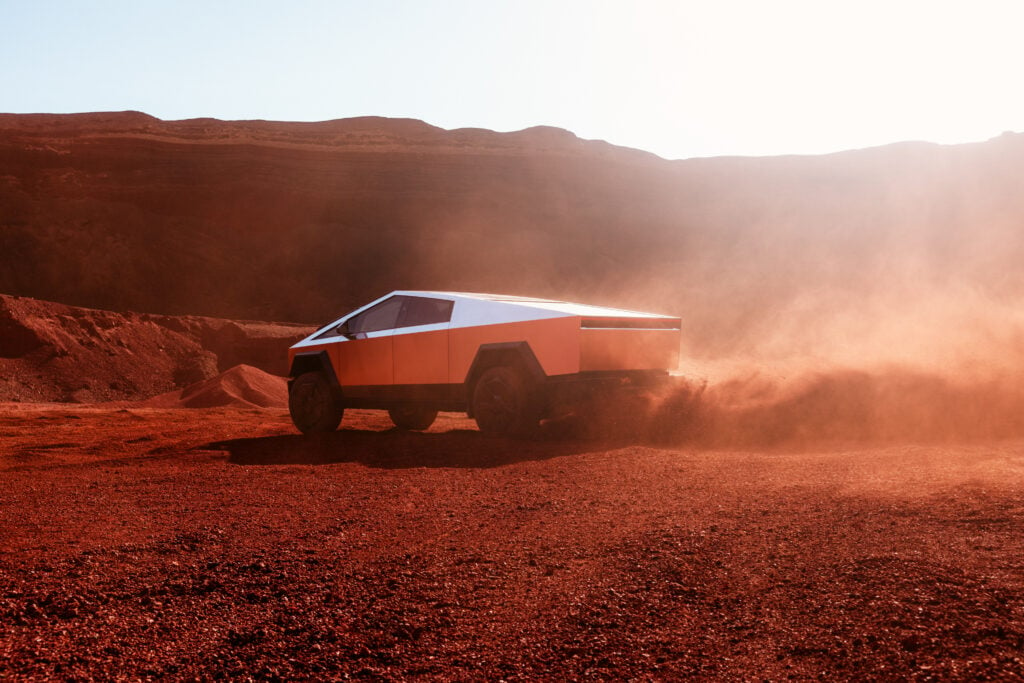
The commercial numbers make the case even clearer. Elon Musk had once spoken of annual Cybertruck production of about 250,000 vehicles, while the original 2019 presentation included a US$39,900 starting price. According to Kelley Blue Book figures reported by Reuters, Tesla sold 38,965 Cybertrucks in the United States during 2024. Sales then fell to 20,237 in 2025, a decline of about 48 per cent, before dropping another 28 per cent across the first nine months of 2026.
That is a grim trajectory for a vehicle intended to challenge America’s hugely profitable pickup market. The Cybertruck also accumulated 11 recalls after deliveries began in November 2023, covering issues including an accelerator pedal problem and exterior components that could detach.
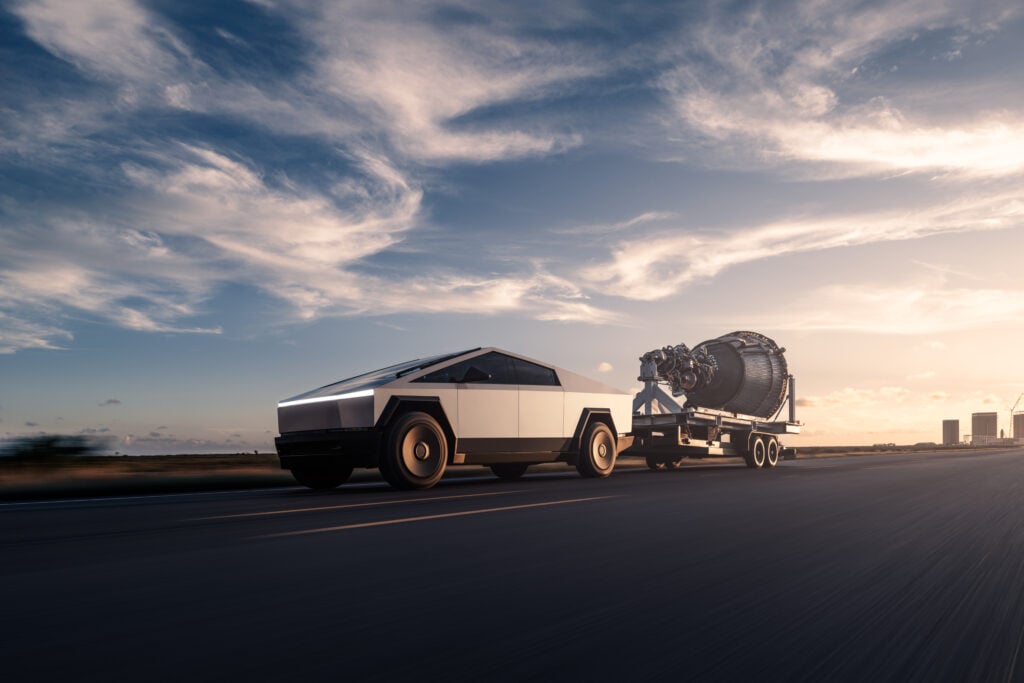
It would be unfair to dismiss the truck as wholly without merit. Tesla introduced serious engineering ideas here, including steer-by-wire, a 48-volt electrical architecture and distinctive production methods. I admire a manufacturer prepared to attempt something unusual. The problem is that interesting engineering still has to become a product customers want to buy in sufficient numbers.
Cybertruck depreciation and long-term support are the real concern
The more pressing question now is what the Tesla Cybertruck discontinuation could mean for existing owners. Depreciation is likely to be the first concern. iSeeCars estimates that the Cybertruck could lose about 56.5 per cent of its value over five years, a forecast rather than five years of observed resale history, but it is still a sobering figure for an expensive and highly specialised vehicle.
A short production run may eventually make the Cybertruck collectible. Its shape is unmistakable, it occupies a peculiar place in automotive history and there will probably always be buyers attracted to its sheer oddness. Yet collectibility is of limited comfort to someone who needs an expensive electric pickup to remain practical, repairable and saleable.

My larger concern is what happens as these vehicles age. The Cybertruck relies heavily on proprietary electronics, software and model-specific hardware. Its stainless-steel body construction, steer-by-wire system and unusual electrical architecture are not the sort of components likely to be supported by a broad network of independent specialists in the way a conventional pickup might be.
If a body panel, steering component or electronic module fails eight or ten years from now, owners may face costly repairs, long waits for parts or both. A vehicle need not be mechanically worn out to become economically difficult to keep on the road. It simply needs a part whose replacement cost makes little sense against its remaining value.
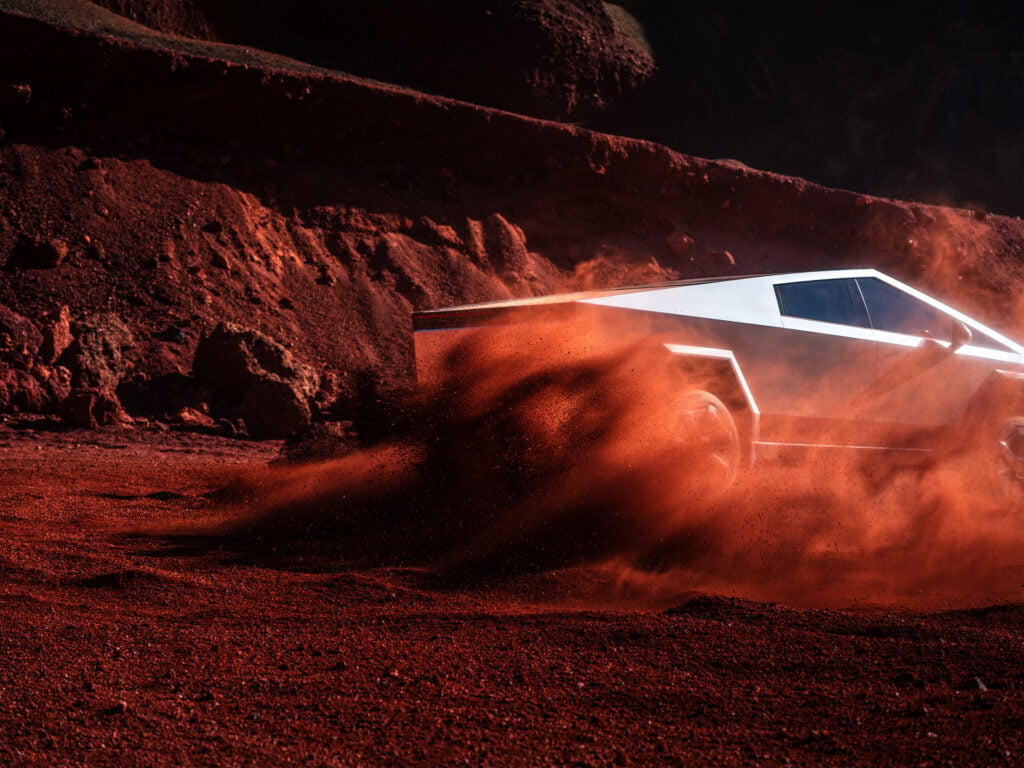
Tesla has said it intends to continue supplying parts and servicing existing Cybertrucks, while lead engineer Wes Morrill has reassured owners that support will continue. That is encouraging, and there is no evidence that Tesla plans to abandon current vehicles in the immediate future. The more difficult question is what support looks like five, 10 or 15 years down the line.
Software is another uncertainty. Tesla’s appeal has long rested partly on over-the-air updates, but a discontinued low-volume model may not receive the same development attention as newer products. Owners may still receive essential support, though I would be surprised if Tesla devoted extensive resources to new Cybertruck-specific features while it pursues autonomous taxis, artificial intelligence and robotics.
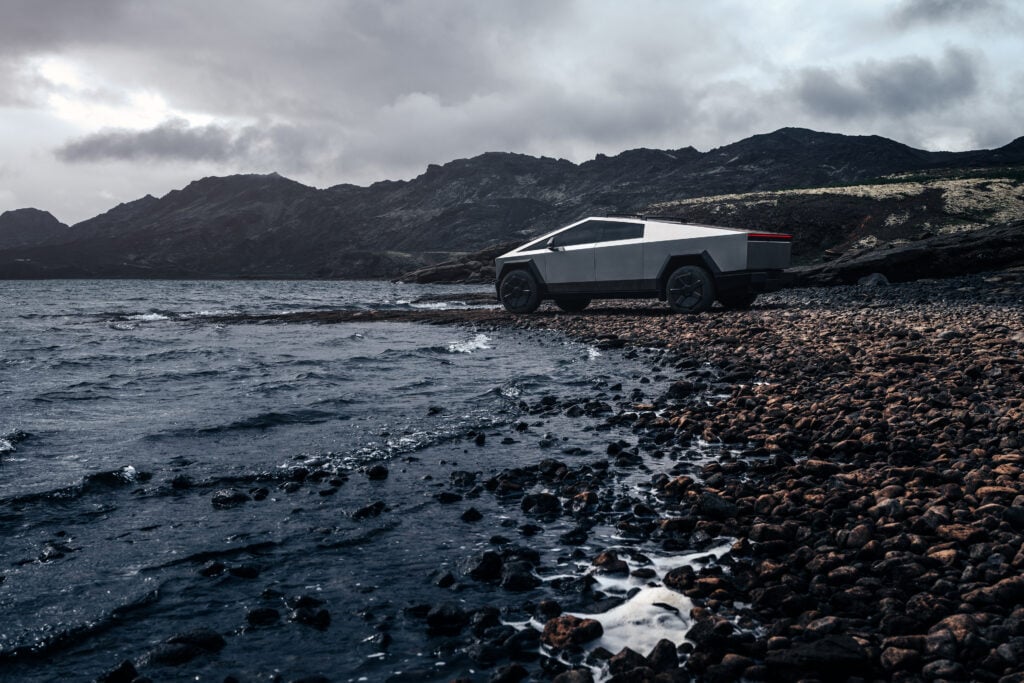
Tesla’s shifting priorities are understandable from a business perspective. The company is increasingly focused on Cybercab, autonomous technology and Optimus, and it has also announced plans to discontinue the Model S and Model X to free capacity for its humanoid robot programme. A low-volume pickup with expensive manufacturing requirements does not sit neatly within that strategy.
The Cybertruck deserved credit for trying something genuinely different in an industry full of increasingly similar SUVs. But different is not enough when the product is expensive, difficult to build and unable to find a durable market. For owners, the next 12 months may reveal whether the end of production creates a cult object or accelerates a painful decline in resale values. I know which outcome I would be more worried about if I had paid six figures for one.
latest Stories
 Read full story

Join Our Community
Stay up to date with our latest stories, fresh insights, and special updates. Subscribe to receive carefully selected content delivered straight to your inbox.